
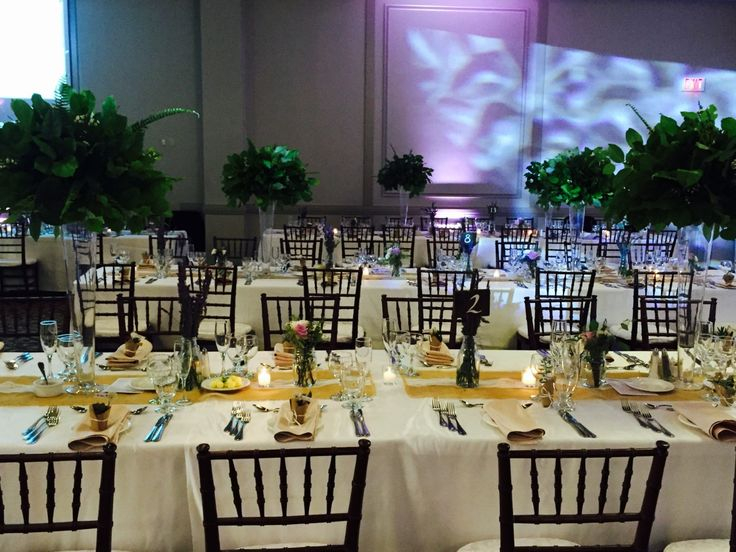
Small Wedding Venues Not every couple dreams of a ballroom filled with three hundred guests. For a growing number of people, the appeal of a wedding lies in something quieter — a room full of the faces that matter most, a setting that feels personal rather than performative, and a budget that goes further because the guest list is shorter. That shift in priorities has fueled steady interest in small wedding venues, and choosing the right one takes more thought than simply picking a pretty backdrop.
Why Couples Are Choosing Smaller Celebrations
The move toward intimate weddings isn't just an aesthetic trend. Smaller guest counts mean smaller catering bills, more flexible venue options, and the freedom to book spaces that could never accommodate a large crowd — a historic library, a rooftop garden, a converted barn with limited capacity. Couples also cite a simpler reason: conversations happen more naturally in a room of forty than in a room of four hundred, and many find that intimacy translates directly into a more memorable day.
What Counts as a Small Wedding Venue
There's no universal cutoff, but most spaces marketed this way accommodate somewhere between 10 and 100 guests. Within that range, the character of available venues varies enormously:
-
Restaurants and private dining rooms, which often come with built-in catering and a polished atmosphere.
-
Boutique hotels, offering guest accommodations alongside the ceremony space.
-
Gardens and courtyards, ideal for couples who want a natural backdrop without the logistics of a full outdoor estate.
-
Art galleries and studios, appealing to couples who want a distinctive, design-forward setting.
-
Backyards and private residences, the most personal option, though often requiring more coordination for permits, rentals, and infrastructure.
Key Factors When Comparing Venues
Capacity and Layout Flexibility
Even within the "small" category, layout matters as much as headcount. A venue that comfortably seats 50 for a formal dinner might feel cramped once a dance floor and band are added. It's worth asking any prospective venue how their stated capacity changes once entertainment and catering setups are factored in.
Included Services
Some small venues bundle catering, furniture, and coordination into a single package, which simplifies planning considerably. Others offer a bare space and expect couples to bring in every vendor independently. Neither approach is inherently better, but the difference has a real impact on both budget and how much planning falls on the couple.
See more: small wedding venues northern california
Ambiance and Built-In Character
One advantage smaller venues often hold over large banquet halls is architectural or natural character that requires little additional decoration. A room with existing charm — exposed brick, mature gardens, ocean views — can reduce the need for elaborate styling, which often offsets a higher per-square-foot rental cost.
Location and Accessibility
Because guest lists are shorter, couples often have more freedom to choose venues in less conventional locations — a countryside inn, a vineyard, or a destination city. Even so, it's worth confirming lodging options and transportation nearby, especially if a meaningful portion of the guest list will be traveling.
Budget Considerations
Smaller weddings don't automatically mean cheaper weddings, but they do shift where the money goes. With fewer guests, couples often redirect savings on catering toward higher-quality food, better photography, or a more distinctive venue that wouldn't have been affordable at a larger scale. It's worth requesting a full breakdown from any venue — some quote a low base rental fee that expands significantly once mandatory add-ons like security, cleaning, or vendor coordination fees are included.
Questions Worth Asking Before Booking
-
What is the maximum capacity with a dance floor, band, or DJ setup included?
-
Are tables, chairs, and linens provided, or sourced separately?
-
Is there a preferred vendor list, and are outside vendors permitted?
-
What's the cancellation and rescheduling policy?
-
Is there a backup plan for outdoor spaces in case of poor weather?
Finding the Right Fit
The best small wedding venues tend to share one quality regardless of style: they don't require excessive effort to feel complete. Whether that's a sun-filled greenhouse, a family-run inn, or a minimalist gallery space, the goal is a setting that supports the day rather than competing with it. Touring venues in person, asking pointed questions about included services, and picturing the space with your actual guest count in mind will do more to guide a good decision than any list of trends ever could.
Further information: click here

 English
 French
 Spanish
 Portuguese
 Deutsch
 Turkish
 Dutch
Dutch
 Italiano
 Russian
 Romaian
 Portuguese (Brazil)
 Greek
Greek