
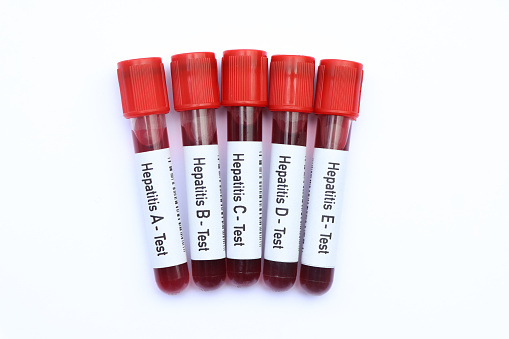
Hepatitis A testing is commonly performed when a healthcare professional needs to determine whether a person has been exposed to or infected with the hepatitis A virus. Since the test generally involves collecting a blood sample, many patients wonder whether they need to fast, change their routine, stop medications, or take other steps before visiting a laboratory.
For most hepatitis A antibody tests, extensive preparation is not usually necessary. However, preparation requirements can depend on whether other blood tests are being performed at the same appointment. Understanding what to expect can make the process more comfortable and help ensure that relevant information is available to the healthcare professional.
What Is Hepatitis A Testing?
Hepatitis A testing usually involves a blood test that looks for antibodies associated with hepatitis A virus infection. Healthcare professionals may request different antibody tests depending on the patient's symptoms, exposure history, vaccination history, and the timing of a possible infection.
Hepatitis A IgM testing is commonly used when a recent or current infection is suspected. Hepatitis A IgG can be associated with immunity resulting from previous infection or vaccination.
The healthcare provider determines which test is appropriate based on the clinical situation. A laboratory result is then interpreted together with symptoms and other relevant medical information.
For someone arranging a Hepatitis A Test in Dubai, knowing whether preparation is required can help make the appointment simpler and reduce unnecessary concerns about the blood collection process.
Is Fasting Usually Necessary?
A hepatitis A antibody blood test by itself generally does not require fasting. Patients can normally follow their usual eating and drinking routine unless their healthcare provider gives different instructions.
However, some people have several blood tests performed during the same appointment. Certain other laboratory investigations may have specific preparation requirements. In such situations, the healthcare professional or laboratory may provide fasting instructions.
Therefore, it is important to follow the instructions given for the complete set of tests rather than assuming that every blood test has identical preparation requirements.
If you are unsure whether you should eat or drink before your appointment, contact the testing facility beforehand and ask about the specific tests included in your laboratory order.
Enfiled STD Clinic and Preparing for Testing
At Enfiled STD Clinic, patients can discuss their symptoms, possible exposure, and medical history with a healthcare professional before testing. Providing accurate information can help the provider decide which investigations may be appropriate.
Patients should mention when symptoms started, whether they have recently traveled, whether they may have consumed contaminated food or water, and whether they have had contact with someone diagnosed with hepatitis A.
It is also useful to mention previous hepatitis A vaccination or known past infection. This information can help the healthcare professional understand which antibody tests may be relevant and interpret the results appropriately.
Preparation is not only about fasting or food. Giving the healthcare provider complete and accurate health information is an important part of the testing process.
Should You Stop Taking Medications?
Patients should not stop prescribed medications simply because they are having a hepatitis A blood test unless a healthcare professional specifically instructs them to do so.
Many routine medications do not require any change before antibody testing. However, the healthcare provider should know about prescription medicines, over-the-counter products, and supplements that you are taking.
This information may be useful when reviewing your overall health and other laboratory results.
If you have been advised to stop or adjust a medication for another medical procedure, follow the specific instructions provided by your healthcare professional rather than making changes independently.
Should You Tell the Provider About Vaccination?
Yes. Hepatitis A vaccination history can be relevant when interpreting antibody results.
Vaccination can lead to the development of antibodies that provide protection against hepatitis A. Previous infection can also result in long-term immunity.
Because of this, telling your healthcare provider whether you have received a hepatitis A vaccine can help provide context for antibody testing.
If you are unsure about your vaccination history, simply tell the provider that you do not remember. They can determine whether additional information or testing is appropriate.
What Information Should You Provide Before Testing?
Before a hepatitis A test, patients should try to provide accurate information about their current health and any possible exposure.
Useful information may include the date symptoms began, recent travel, possible contact with an infected person, consumption of potentially contaminated food or water, vaccination history, and previous hepatitis A infection.
Symptoms such as nausea, vomiting, fatigue, abdominal discomfort, loss of appetite, dark urine, pale stools, or yellowing of the skin and eyes can also be important.
Not everyone with hepatitis A experiences the same symptoms, and some people may have mild or no noticeable symptoms. This is why the exposure history and medical assessment can be important even when symptoms are limited.
Can You Drink Water Before the Test?
For a hepatitis A antibody blood test alone, drinking water is generally not a problem unless the healthcare provider has given different instructions.
Staying adequately hydrated can also make blood collection easier for some people. However, if you are having multiple tests that require fasting, follow the specific instructions provided by the laboratory.
When in doubt, ask the testing facility whether plain water is permitted before your appointment.
What Happens During Sample Collection?
The blood collection process is usually straightforward. A healthcare professional cleans the area, typically on the arm, and uses a sterile needle to collect the required sample into a laboratory tube.
The process generally takes only a short time. After the sample has been collected, the laboratory processes it according to the requested test.
Some people experience minor discomfort or a brief pinching sensation during collection. A small bruise may occasionally develop afterward.
If you feel nervous around needles or have previously experienced dizziness during blood collection, tell the healthcare professional before the sample is taken.
Does the Timing of Testing Matter?
Yes. The timing of a hepatitis A test can be important, particularly when recent exposure or recent symptoms are involved.
Antibodies do not necessarily appear at detectable levels immediately after exposure. A healthcare professional may therefore consider the timing of symptoms and possible exposure when deciding whether testing should be performed and whether repeat testing might be appropriate.
If a person tests negative but there is a strong clinical reason to suspect recent infection, the healthcare provider may recommend further evaluation.
This is one reason patients should provide an accurate timeline rather than simply reporting that an exposure occurred “recently.”
What Should You Do After the Test?
After a routine blood sample has been collected, most people can return to their normal activities unless their healthcare professional gives different instructions.
The laboratory will process the sample and provide the result according to its usual reporting procedure. The healthcare provider can then explain what the result means.
A positive or negative result should be considered in context. Hepatitis A IgM and IgG results can provide different information, so the specific antibody tested matters.
If additional liver-related tests were ordered, those results may also contribute to the overall medical assessment.
Why Should You Avoid Self-Interpreting Results?
Laboratory reports can contain medical terminology that may be confusing without professional context. A result showing antibodies does not automatically mean that a person currently has an active hepatitis A infection.
For example, IgM and IgG antibodies have different clinical meanings. Previous vaccination or infection can also affect antibody findings.
A healthcare professional can explain the result based on the type of antibody detected, symptoms, exposure history, vaccination history, and other laboratory findings.
If the report is unclear, asking the provider for an explanation is safer than making assumptions based on a single number or positive/negative label.
What If You Have Symptoms Before Testing?
If symptoms such as jaundice, dark urine, persistent nausea, vomiting, abdominal pain, loss of appetite, or significant fatigue develop, contact a healthcare professional.
These symptoms can have several possible causes and are not specific to hepatitis A. A healthcare provider can determine whether hepatitis A testing or other investigations are appropriate.
If symptoms are severe or rapidly worsening, prompt medical attention may be necessary.
Final Thoughts
Most people do not need extensive preparation for a hepatitis A antibody blood test. Fasting is generally not required for the hepatitis A test alone, and patients should not stop prescribed medications unless instructed by a healthcare professional.
The most useful preparation is providing accurate information about symptoms, possible exposure, vaccination history, previous infection, recent travel, and current medications. These details can help healthcare professionals select appropriate testing and interpret the findings correctly.
If you are arranging a Hepatitis A Test in Dubai, ask the testing provider whether any preparation is required for your specific appointment, especially if several blood tests are being performed at the same time.

 English
 French
 Spanish
 Portuguese
 Deutsch
 Turkish
 Dutch
Dutch
 Italiano
 Russian
 Romaian
 Portuguese (Brazil)
 Greek
Greek