
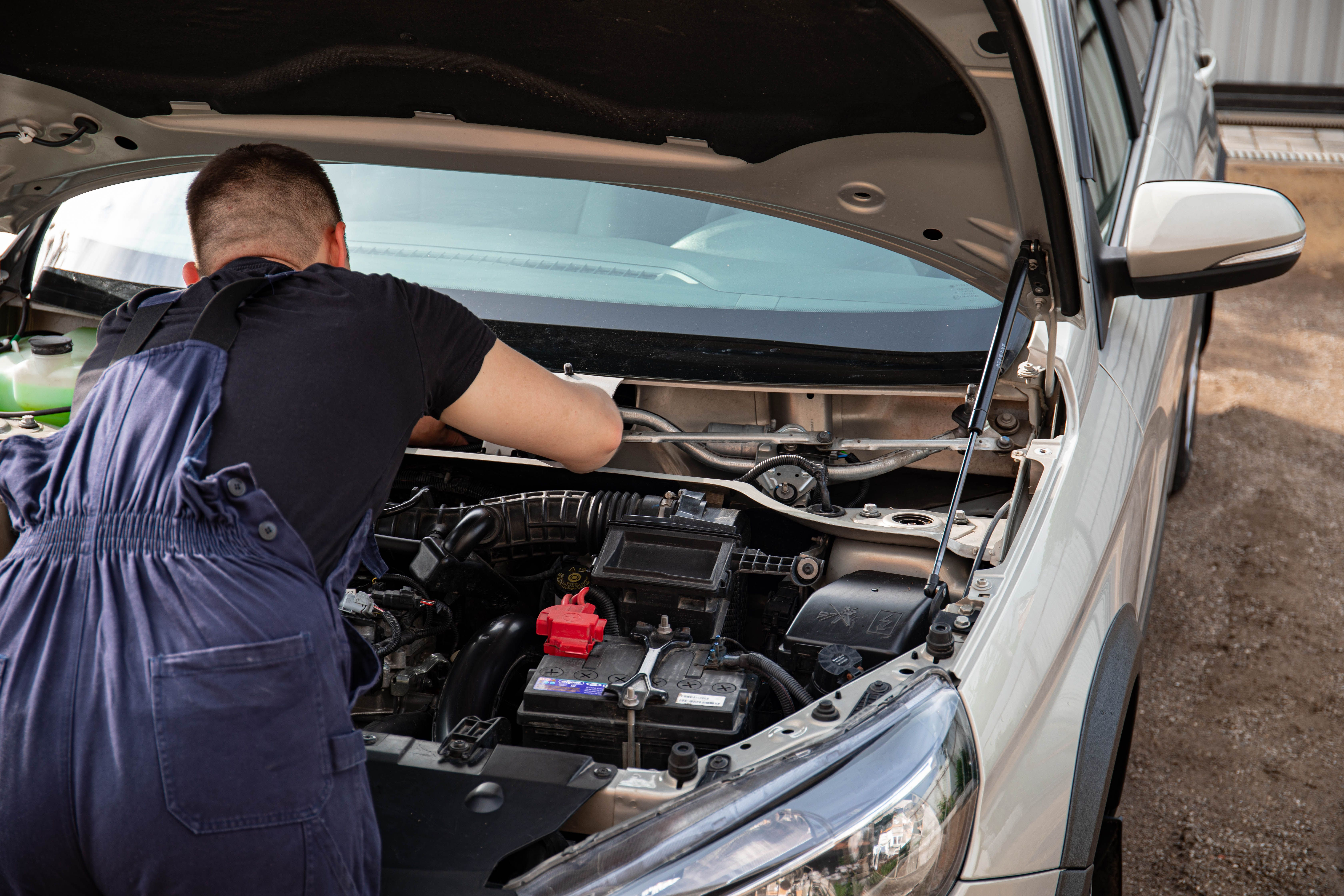
Purchasing automotive parts online or through retail stores is only the beginning of the customer journey. After completing a purchase, customers may need assistance with installation instructions, delivery updates, product compatibility, warranty coverage, or replacement requests. When retailers wait for customers to report problems, they may miss opportunities to improve satisfaction and build lasting relationships. A proactive post-sale support strategy helps automotive parts retailers anticipate customer needs, communicate relevant information, and resolve potential issues before they escalate. This approach supports customer loyalty while creating a more reliable ownership experience.
1. Providing Support Before Customers Encounter Problems
Automotive customer support outsourcing can help retailers strengthen their post-sale operations by extending communication and assistance beyond the checkout process. Customers purchasing automotive parts often have questions about installation, compatibility, delivery schedules, and product specifications. A proactive support team can share relevant information, confirm order details, and identify potential concerns early. For example, customers purchasing specialized components may benefit from compatibility reminders or access to installation resources. By offering assistance before customers experience difficulties, retailers can reduce uncertainty and improve confidence in their purchases.
2. Sending Timely Order and Delivery Updates
Automotive parts are frequently purchased to support vehicle repairs, maintenance, or ongoing projects. Delayed shipments can therefore disrupt a customer's schedule and create additional frustration. Retailers can use automated notifications and support workflows to keep customers informed about order confirmation, dispatch, shipment progress, and potential delivery delays. When a shipment encounters an issue, proactive communication gives customers an opportunity to adjust their plans or seek alternatives. Accurate delivery updates also reduce unnecessary inquiries and help support teams manage order-related concerns more efficiently.
3. Confirming Product Compatibility and Installation Needs
Incorrectly selected parts can result in returns, installation delays, and dissatisfaction. Customers may not always understand whether a component is suitable for their vehicle's make, model, year, or specific configuration. Post-sale support teams can help verify information that is available through product records and established retailer guidelines. They should avoid providing unsupported technical recommendations and escalate complex compatibility questions to qualified specialists when necessary. Sharing product documentation, installation instructions, and manufacturer resources can also help customers use their purchases more effectively.
4. Creating a Structured Warranty and Replacement Process
Warranty and replacement assistance is an important part of post-sale customer care. Customers may experience defective components, damaged shipments, or parts that do not meet the stated product requirements. A clearly defined support process helps representatives collect relevant order information, understand the reported issue, and explain the next steps. Retailers can improve the experience by providing transparent eligibility requirements, documentation instructions, and expected processing timelines. Regular communication during the resolution process helps customers understand the status of their requests and reduces uncertainty.
5. Using Product Education to Reduce Customer Friction
Automotive parts retailers can improve customer satisfaction by offering educational resources after a purchase. Depending on the product, these resources may include maintenance guidance, installation manuals, usage instructions, and information about compatible accessories. Support teams can direct customers toward reliable documentation instead of relying on generic explanations. Educational content may also reduce avoidable mistakes and repetitive inquiries. Retailers should ensure that safety-critical installation or repair questions are directed to qualified professionals, particularly when incorrect handling could affect vehicle operation or personal safety.
6. Identifying Problems Through Customer Feedback
Customer feedback provides valuable information about potential weaknesses in products, fulfillment, and support processes. Retailers can analyze return reasons, warranty requests, customer complaints, and recurring product questions to identify patterns. For instance, repeated reports of confusing installation instructions may indicate a need for clearer documentation. Frequent complaints about damaged packaging could highlight opportunities to review shipping procedures. By combining feedback with operational data, retailers can address recurring issues and improve the customer experience beyond individual support interactions.
7. Connecting Post-Sale Support With Customer Retention
Post-sale interactions can influence whether customers return to the same automotive parts retailer for future purchases. A customer who receives timely assistance with a replacement request or product question may develop greater confidence in the business. Retailers can use customer histories to provide more consistent support while respecting privacy and applicable data-handling requirements. Follow-up communication should be relevant and purposeful rather than excessive. For example, a retailer may check whether a replacement order was received successfully or provide information about an applicable maintenance resource.
8. Rebuilding Customer Support Operations for Proactive Service
As automotive parts retailers expand their product catalogs and sales channels, post-sale support workflows may become increasingly complex. Rebuilding Customer Support Operations can involve reviewing escalation procedures, improving customer data access, integrating order tracking systems, and establishing proactive communication standards. Service providers such as ServeRetail can support retailers with customer care and back-office workflows based on their operational requirements. A structured approach helps businesses coordinate order inquiries, warranty requests, product information, and follow-up activities while maintaining clear responsibilities between internal and external teams.
Conclusion: Making Post-Sale Support a Competitive Advantage
A proactive post-sale support strategy allows automotive parts retailers to address customer needs before small concerns become larger problems. Timely delivery updates, compatibility guidance, warranty assistance, educational resources, and feedback analysis all contribute to a more dependable customer experience. Retailers that integrate these practices into their operations can improve communication, reduce avoidable support friction, and strengthen customer relationships. The most effective strategy combines suitable technology with knowledgeable teams and clearly defined processes. By treating post-sale care as an ongoing responsibility rather than a final transaction step, automotive parts retailers can build greater customer confidence and support long-term business growth.

 English
 Arabic
 French
 Spanish
 Portuguese
 Deutsch
 Turkish
 Dutch
Dutch
 Italiano
 Russian
 Romaian
 Portuguese (Brazil)