
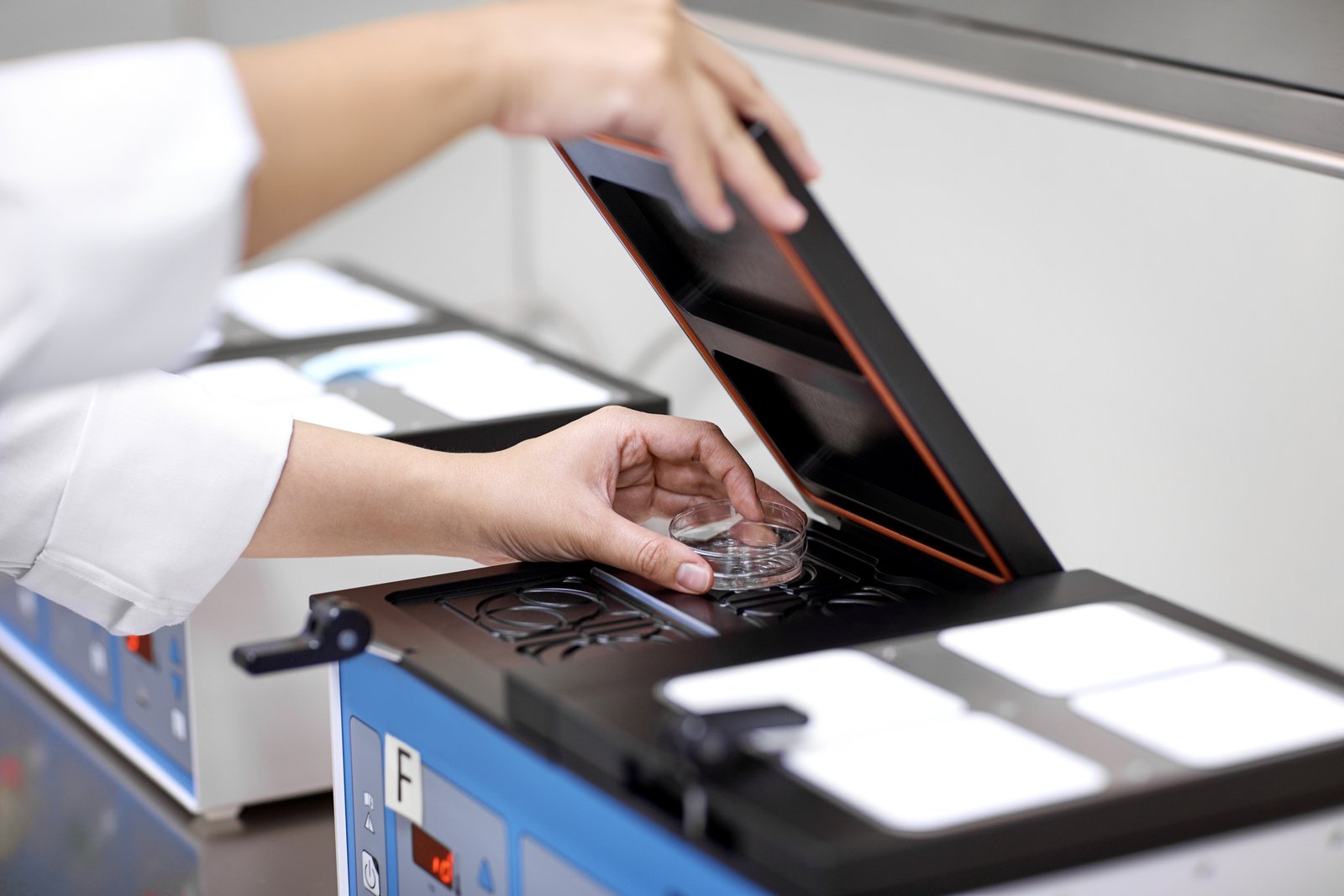
A semen analysis test is an important diagnostic tool for evaluating male reproductive health and understanding factors that may affect fertility. It measures key characteristics of semen, including sperm count, motility, morphology, and volume. However, one common question is how often a Semen Analysis Test in Dubai should be performed to obtain reliable results and monitor changes in sperm quality.
The answer depends on your individual circumstances. Some men may need only one test as part of an initial fertility assessment, while others may require repeat testing to confirm abnormal findings, evaluate the effects of treatment, or investigate ongoing difficulty conceiving.
Understanding the recommended testing frequency, the reasons for repeating the test, and the factors that influence results can help you make informed decisions about your reproductive health.
How Frequently Should You Get a Semen Analysis Test?
There is no universal schedule for semen analysis testing. The appropriate frequency depends on the reason for testing, your initial results, medical history, and whether you are receiving treatment for a reproductive condition.
For example, a man undergoing an initial fertility evaluation may be advised to complete a semen analysis and repeat it if the findings are abnormal. Someone being monitored after treatment may need additional tests at intervals recommended by their healthcare professional.
The following guide explains common situations in which testing may be recommended.
| Situation | When repeat testing may be considered |
|---|---|
| Initial fertility assessment | Repeat if clinically indicated by the first result |
| Abnormal semen analysis | Often repeated to confirm the findings |
| Recent fever or significant illness | After an appropriate recovery period |
| Monitoring changes in sperm production | Sometimes after approximately three months |
| Fertility treatment planning | According to the treating specialist's advice |
| Persistent difficulty conceiving | As part of an individualized fertility evaluation |
These are general examples rather than fixed medical schedules. Your healthcare professional can determine the most appropriate timing for your circumstances.
Why Is More Than One Semen Analysis Test Sometimes Necessary?
Semen quality can vary naturally between samples. Sperm concentration, motility, semen volume, and other parameters may change because of biological fluctuations, illness, abstinence duration, and sample collection conditions.
Consequently, a single semen analysis may not fully represent a man's typical reproductive health.
1. To Confirm an Abnormal Result
If your first semen analysis shows a low sperm count, reduced motility, or abnormal morphology, your doctor may recommend another test.
An abnormal result does not automatically mean infertility. Some changes may be temporary, while others may indicate an underlying condition that requires further investigation.
Repeat testing helps determine whether the abnormality persists and whether additional assessments are necessary.
2. To Account for Natural Changes in Sperm Quality
Sperm production is a continuous biological process, and semen parameters are not identical every time a sample is collected.
Differences in the abstinence period, recent health changes, medications, and laboratory handling can affect the results.
Repeating the test under similar conditions can help your doctor distinguish persistent abnormalities from normal variation.
3. To Evaluate Recovery After Illness
A significant fever or severe illness may temporarily affect sperm production. Because sperm development takes approximately 74 days, changes in sperm quality may continue for several weeks or months after recovery.
If your initial test was performed after a high fever, your doctor may recommend waiting before repeating the analysis.
The appropriate interval depends on the severity of the illness, the initial findings, and the purpose of testing.
4. To Monitor Treatment or Lifestyle Changes
Repeat semen analysis may be useful when evaluating changes after treatment for a reproductive condition or after addressing a factor that affects sperm production.
For example, a healthcare professional may monitor semen parameters after treatment for a relevant hormonal disorder or another identified cause of abnormal results.
Lifestyle improvements, including smoking cessation, better nutrition, regular exercise, and reduced excessive alcohol consumption, may support reproductive health. However, improvements are not guaranteed.
The timing of follow-up testing should reflect the treatment and the expected time needed for changes in sperm production to become apparent.
How Often Should You Repeat a Semen Analysis After an Abnormal Result?
The timing depends on which parameters are abnormal and why the test was performed.
When a result is unexpectedly abnormal, a doctor may recommend a repeat test relatively soon to confirm the finding. If the purpose is to assess recovery after a fever or changes following treatment, a longer interval may provide more useful information.
Approximately three months is sometimes used when evaluating changes in sperm production because it allows time for a new cycle of sperm development. However, this is not a mandatory waiting period for every repeat test.
For example, a man with a mildly abnormal sperm concentration may be advised to repeat the analysis under consistent conditions. Someone with severely reduced sperm production may need a more detailed evaluation without waiting several months for another routine test.
Follow your doctor's recommendations rather than choosing a testing schedule based on a single reference interval.
What Does a Semen Analysis Test Measure?
Knowing what the test evaluates helps explain why repeat testing may be necessary.
A standard semen analysis assesses several characteristics associated with male fertility.
Sperm concentration and total sperm count: These measurements indicate how many sperm are present per milliliter and in the entire ejaculate.
Sperm motility: This measures the ability of sperm to move, including their capacity for progressive movement toward an egg.
Sperm morphology: This evaluates the shape and structure of sperm cells, including their heads, midpieces, and tails.
Semen volume: This measures the amount of fluid released during ejaculation.
Sperm vitality: This identifies the proportion of living sperm, particularly when many sperm are immotile.
Semen pH: This measures the acidity or alkalinity of the sample and may provide additional information about reproductive tract function.
These measurements provide valuable information, but they cannot independently guarantee fertility or diagnose every cause of male infertility. Results should be interpreted alongside medical history, physical examination findings, and other relevant investigations.
How Can You Prepare for a Repeat Semen Analysis Test?
Consistent preparation is essential when comparing semen analysis results. Differences in collection methods or abstinence duration can make it harder to determine whether sperm quality has genuinely changed.
Use the following checklist before your next test:
-
Follow the recommended abstinence period. Laboratories commonly recommend two to seven days without ejaculation, although specific instructions may vary.
-
Collect the complete sample. Missing part of the ejaculate, particularly the initial portion, may affect the reported sperm count.
-
Use the approved container. Avoid ordinary lubricants or other substances unless the laboratory confirms they are suitable.
-
Follow transportation instructions. Deliver the specimen within the recommended time and under the specified conditions.
-
Report recent illness. Inform your doctor about a recent fever, infection, or other significant health change.
-
Review medications. Certain medicines, testosterone therapy, and anabolic steroids can affect sperm production.
-
Maintain consistent conditions. Similar abstinence periods and collection procedures can improve comparisons between tests.
Proper preparation reduces avoidable errors, although it cannot eliminate all natural biological variation.
Does Frequent Semen Analysis Improve Fertility?
No. Repeating a semen analysis does not directly improve sperm quality or increase fertility. The test is used to evaluate reproductive health and monitor changes rather than treat an underlying condition.
Testing too frequently without a clear medical reason may provide little additional information because sperm parameters naturally fluctuate.
A more useful approach is to follow an individualized testing plan based on the initial findings, fertility goals, and medical advice.
If the results are abnormal, identifying the underlying cause is more important than repeatedly testing without further evaluation. Depending on the findings, your doctor may recommend hormone testing, a physical examination, assessment for varicocele, or referral to a fertility specialist.
When Should You Consider a Fertility Evaluation?
You may benefit from a medical fertility assessment if you have persistent abnormal semen analysis results, a history of reproductive problems, or difficulty conceiving with your partner.
For couples who have been trying to conceive, evaluation is commonly recommended after 12 months of regular unprotected intercourse when the female partner is younger than 35, or after six months when she is 35 or older. Earlier assessment may be appropriate when either partner has known fertility risk factors or concerning symptoms.
Male fertility evaluation may include semen analysis, medical history, physical examination, and additional tests when indicated.
If you experience testicular pain, swelling, or a noticeable change in testicular size, seek medical assessment rather than relying on repeat semen testing alone.
Frequently Asked Questions About Semen Analysis Frequency
Is one semen analysis test enough?
Sometimes. One test may be sufficient in certain circumstances, but repeat testing is often recommended when the initial findings are abnormal or require confirmation.
Can I repeat a semen analysis test after one week?
In some situations, a doctor may recommend an early repeat test to confirm an unexpected result or address a collection problem. However, an interval of one week may not be appropriate when evaluating recovery after illness or changes in sperm production.
Should I get a semen analysis test every month?
Routine monthly testing is generally unnecessary unless a healthcare professional identifies a specific reason. Testing should be guided by your clinical circumstances rather than a fixed monthly schedule.
How long does it take for semen analysis results to improve?
The timeframe varies according to the underlying cause. Since sperm development takes approximately 74 days, changes in sperm production may take several months to become apparent.
Can normal results change in a future test?
Yes. Semen parameters can vary between samples. A normal result does not guarantee that every future test will be identical or that conception is certain.
Conclusion
How often you should get a semen analysis Lab tests depends on your reproductive health, initial results, and the reason for testing. Some men need only one assessment, while others benefit from repeat testing to confirm abnormal findings, evaluate recovery after illness, or monitor changes following treatment.
Consistent sample collection and appropriate preparation help make results more comparable. However, frequent testing without a clear clinical reason is unlikely to provide meaningful benefits.
If your semen analysis results are abnormal or you are experiencing difficulty conceiving, consult a qualified healthcare professional to determine the next steps. An individualized approach can help identify potential causes, guide appropriate treatment, and provide a clearer understanding of your reproductive health.

 English
 French
 Spanish
 Portuguese
 Deutsch
 Turkish
 Dutch
Dutch
 Italiano
 Russian
 Romaian
 Portuguese (Brazil)
 Greek
Greek