
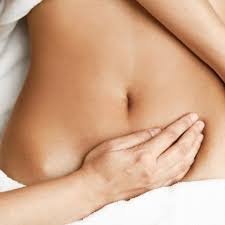
The lymphatic system plays an important role in maintaining fluid balance and supporting the body's natural immune functions. When fluid accumulates in the tissues, it can contribute to swelling, heaviness, and discomfort. Manual lymphatic drainage is a gentle massage technique designed to encourage the movement of lymph fluid through the lymphatic vessels. Interest in Lymphatic Massage in Riyadh has grown as people seek informed approaches to wellness, swelling management, and recovery support.
Understanding how this therapy works, who may benefit from it, and what to expect during a session can help individuals make informed decisions. Whether someone is exploring lymphatic drainage for general wellness or has been advised to consider it for a specific medical concern, professional guidance is essential.
What Is Manual Lymphatic Drainage Therapy?
Manual lymphatic drainage is a specialized massage technique that uses slow, rhythmic, and gentle movements to encourage lymph fluid to move toward functioning lymphatic pathways. Unlike conventional massage, which may focus on muscle tension and deeper tissues, this technique targets the superficial lymphatic system.
The lymphatic system consists of vessels, lymph nodes, and other structures that help transport excess tissue fluid and support immune activity. When this system does not move fluid efficiently, swelling may develop in certain areas of the body.
Lymphatic Massage in Riyadh may be considered as part of an individualized wellness or therapeutic plan, depending on a person's needs and health history. It is important to understand that manual lymphatic drainage is not a cure for every cause of swelling and should not replace appropriate medical treatment.
How Does the Lymphatic System Work?
The lymphatic system helps maintain the balance of fluids between body tissues and the bloodstream. It collects excess fluid from tissues, filters lymph through lymph nodes, and returns it to circulation. It also plays a role in transporting certain immune cells and supporting the body's defense mechanisms.
Unlike the cardiovascular system, which relies on the heart to pump blood, the lymphatic system depends on several mechanisms to move fluid. Muscle activity, breathing, and the natural contractions of lymphatic vessels all contribute to lymph flow.
When lymphatic drainage becomes impaired, fluid can accumulate and cause swelling. Conditions such as lymphedema may require specialized management, which can include compression, exercise, skin care, and manual lymphatic drainage when clinically appropriate.
Potential Benefits of Lymphatic Massage in Riyadh
Manual lymphatic drainage may offer benefits for selected individuals, particularly when used as part of a professionally guided treatment plan. Its effects depend on the underlying condition, the person's health, and the techniques used.
Support for Swelling Management
One of the principal uses of manual lymphatic drainage is managing certain types of swelling associated with impaired lymphatic flow. Gentle movements may help direct fluid toward functioning lymphatic pathways.
For people with lymphedema, this technique may be included in complete decongestive therapy under appropriate professional supervision. However, unexplained or sudden swelling should always be assessed medically before massage is considered.
A Gentle and Relaxing Experience
The slow, rhythmic movements used during lymphatic drainage can provide a calming experience. Some individuals find gentle massage relaxing and helpful for reducing feelings of tension.
Although relaxation may support general wellbeing, it is important not to confuse temporary comfort with treatment of an underlying medical condition.
Support During Certain Recovery Plans
Manual lymphatic drainage may be recommended in selected postoperative situations to help manage swelling. However, suitability depends on the procedure, the stage of healing, and the advice of the treating healthcare professional.
People considering Lymphatic Massage in Riyadh after surgery should obtain clearance from their surgeon before beginning treatment. Massage should never be performed over healing incisions or affected areas without appropriate instructions.
Who May Benefit From Manual Lymphatic Drainage?
Manual lymphatic drainage may be suitable for some people experiencing lymphatic-related swelling or those receiving a structured treatment plan for a diagnosed condition. A healthcare professional can determine whether the technique is appropriate after reviewing symptoms and medical history.
Individuals who may be assessed for this therapy include people with certain forms of lymphedema, those experiencing swelling after specific medical procedures, and patients receiving specialist care for lymphatic circulation problems.
However, the treatment is not suitable for everyone. People with suspected blood clots, acute infections, uncontrolled heart failure, or certain other medical conditions may need to avoid massage or obtain specific medical clearance. New swelling, particularly when accompanied by pain, redness, warmth, or shortness of breath, requires prompt medical assessment.
What to Expect During a Lymphatic Massage Session
Understanding the treatment process can help individuals feel more comfortable before their first appointment. A professional session should begin with an assessment rather than immediately proceeding to massage.
Initial Assessment and Consultation
The practitioner should ask about medical history, current symptoms, medications, previous procedures, and any diagnosed conditions affecting the lymphatic or cardiovascular systems. This information helps establish whether manual lymphatic drainage is appropriate.
If swelling has an unclear cause, the practitioner may recommend medical evaluation before treatment. This step is especially important when symptoms have appeared suddenly or are getting worse.
Gentle Massage Techniques
During a session, the practitioner generally uses light, controlled movements designed to stretch the skin gently and encourage lymph movement. The technique differs from deep-tissue massage and should not normally cause significant pain.
The areas treated, session duration, and frequency depend on the individual's needs and the treatment plan. There is no universal schedule that suits every person, and results vary according to the underlying cause of the symptoms.
Aftercare and Follow-Up
After treatment, individuals may be advised to follow a personalized plan that could include appropriate movement, skin care, prescribed compression, or follow-up appointments. Drinking a normal amount of water and maintaining everyday physical activity can support general health, but neither guarantees a particular lymphatic drainage result.
People should report increased swelling, discomfort, skin changes, or other unexpected symptoms to their healthcare professional.
Lymphatic Massage in Saudi Arabia: Choosing an Appropriate Approach
Interest in Lymphatic Massage in Riyadh forms part of a broader interest in lymphatic drainage treatments across Saudi Arabia. When researching Lymphatic Massage in Saudi Arabia, individuals should look beyond promotional claims and focus on professional qualifications, safety procedures, and whether the proposed treatment matches their needs.
A suitable practitioner should understand lymphatic anatomy, recognize warning signs, and know when referral to a healthcare professional is necessary. For people with diagnosed lymphedema or postoperative swelling, treatment from an appropriately trained professional is particularly important.
It is also helpful to ask what technique will be used, whether the practitioner has experience with the relevant condition, and how progress will be assessed. Claims about removing toxins, guaranteeing weight loss, or permanently reshaping the body should be treated cautiously because manual lymphatic drainage is not a substitute for medical care or a proven weight-loss treatment.
Manual Lymphatic Drainage Compared With Traditional Massage
Although both techniques involve hands-on treatment, their purposes and methods differ. Traditional massage often focuses on muscles and soft tissues to help ease tension or improve comfort. Manual lymphatic drainage instead uses specialized, light movements intended to support lymph movement.
Deep pressure is not necessarily more effective for lymphatic drainage and may be unsuitable for some conditions. The correct approach depends on the individual's health status and treatment goals.
People seeking Lymphatic Massage in Riyadh should explain whether their main concern is relaxation, diagnosed lymphatic swelling, or recovery after a procedure. This distinction helps determine whether lymphatic drainage, another type of massage, or medical assessment is the most appropriate next step.
Frequently Asked Questions
What Is Lymphatic Massage in Riyadh Used For?
Lymphatic massage may be used to help manage certain types of swelling and support treatment plans for lymphatic conditions. It can also provide a gentle, relaxing experience, but its suitability depends on the individual's health and needs.
Is Manual Lymphatic Drainage the Same as a Regular Massage?
No. Manual lymphatic drainage uses light, rhythmic movements to encourage lymph flow, while traditional massage often focuses on muscle tension and soft-tissue comfort. The techniques and treatment goals are different.
Can Lymphatic Massage Help Reduce Swelling?
It may help manage swelling caused by certain lymphatic conditions when performed as part of an appropriate treatment plan. However, swelling can have many causes, and new or unexplained symptoms should be evaluated before massage.
Is Lymphatic Massage in Saudi Arabia Suitable for Everyone?
No. Certain medical conditions, including suspected blood clots, acute infections, and some serious heart conditions, may make treatment inappropriate. A healthcare professional should assess individual risks before treatment begins.
How Often Should Someone Receive Lymphatic Drainage Massage?
The recommended frequency varies according to the condition, treatment goals, and clinical advice. People receiving care for lymphedema or postoperative swelling should follow an individualized plan rather than a fixed schedule.
What Should Someone Check Before Choosing Lymphatic Massage in Riyadh?
Individuals should check the practitioner's relevant training, experience, hygiene practices, and approach to safety. They should also ask whether medical clearance is needed and avoid treatments that promise guaranteed detoxification, weight loss, or permanent results.
Conclusion
Manual lymphatic drainage is a specialized, gentle technique that may help manage certain forms of swelling and support selected recovery plans. Understanding the lymphatic system, recognizing the limitations of massage, and choosing an appropriately trained professional are essential steps toward making an informed decision. Although Lymphatic Massage in Riyadh and Lymphatic Massage in Saudi Arabia are increasingly discussed in wellness settings, treatment should always be based on individual needs and sound medical guidance.
For individuals researching available aesthetic and wellness services, Enfield Royal Clinic Saudi can be a starting point for learning about relevant treatment options and asking questions about suitability, practitioner qualifications, and safety. Anyone experiencing persistent or unexplained swelling should seek medical advice to identify the cause before beginning lymphatic drainage therapy.

 Arabic
 French
 Spanish
 Portuguese
 Deutsch
 Turkish
 Dutch
Dutch
 Italiano
 Russian
 Romaian
 Portuguese (Brazil)
 Greek
Greek