
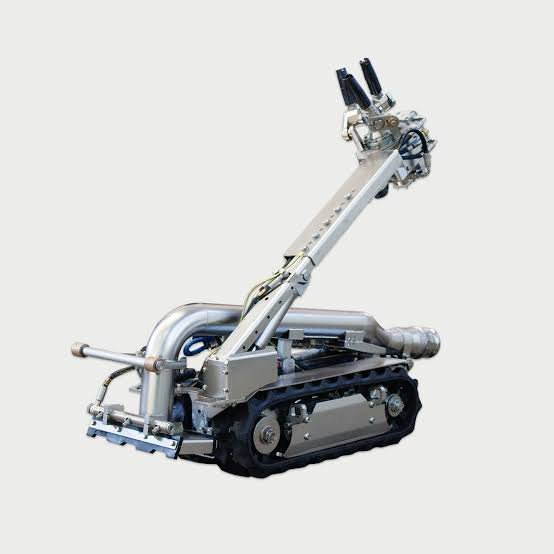
ATEX Robotics refers to specialised robotic systems designed for industrial environments where flammable gases, vapours, or combustible dust may create explosion hazards. These systems support automation in industries such as oil and gas, chemical processing, pharmaceuticals, mining, and manufacturing. Their design may incorporate protected electrical components, controlled surface temperatures, suitable enclosures, and other measures intended to reduce ignition risks. In the United States, selecting appropriate robotic equipment requires careful consideration of hazardous-location classifications, applicable National Electrical Code provisions, and relevant certification requirements. ATEX standards are associated with European explosive-atmosphere regulations and should not automatically be considered equivalent to American approvals. Factors such as operating conditions, payload requirements, environmental exposure, installation design, and maintenance procedures influence equipment suitability. Understanding these considerations helps facility operators evaluate ATEX Robotics for industrial automation while maintaining workplace safety and meeting the requirements applicable to their specific hazardous locations.
Introduction to ATEX Robotics
ATEX Robotics refers to robotic systems designed for use in industrial environments where flammable gases, vapours, mists, or combustible dust may create an explosion risk. These environments require specialised equipment that can operate without becoming a potential ignition source. In the United States, industries such as oil and gas, chemical processing, pharmaceuticals, mining, and manufacturing rely on hazardous-area safety principles when selecting automation equipment.
Robotics can improve operational consistency, reduce direct human exposure to dangerous conditions, and support repetitive industrial tasks. However, when robots operate in potentially explosive atmospheres, their electrical components, mechanical movements, surface temperatures, and control systems must be evaluated carefully.
Although ATEX is a European regulatory framework, the term is also used internationally to describe equipment and technologies associated with explosive-atmosphere protection. In the United States, hazardous-location equipment selection must also consider applicable National Electrical Code requirements, relevant certifications, and workplace safety regulations.
Understanding the Purpose of ATEX Robotics
The primary purpose of ATEX robotics is to support automated operations in environments where an ignition source could cause a fire or explosion. Conventional industrial robots may contain motors, electrical circuits, sensors, and moving components that require additional protection before they can be used in hazardous locations.
Robotic systems intended for these environments may incorporate specialised enclosures, controlled operating temperatures, protected electrical connections, and other explosion-protection measures. The appropriate design depends on the substances present, the likelihood of an explosive atmosphere forming, and the specific operating conditions.
These systems can perform tasks such as material handling, inspection, equipment monitoring, and repetitive production activities. Their suitability depends on the hazard classification of the work area and the protection level of the complete installation.
How ATEX Robotics Supports Industrial Safety
Industrial safety depends on preventing ignition and controlling exposure to hazardous conditions. ATEX robotics can contribute to these objectives by moving certain activities away from direct human involvement.
For example, a robot may inspect equipment in a restricted industrial area or transfer materials within a controlled production process. When the system is appropriately selected and integrated, workers may have fewer reasons to enter potentially dangerous zones.
Robotic automation can also provide repeatable movements and consistent task execution. Sensors and monitoring systems may help operators identify abnormal conditions, although these functions do not replace required safety systems or established operating procedures.
A complete safety assessment must consider the robot, its end-of-arm tooling, connected devices, power supply, communication equipment, and surrounding machinery. A protected robot alone does not automatically make an entire installation suitable for an explosive atmosphere.
Applications of ATEX Robotics in the United States
Oil and Gas Industry
Oil refineries, gas processing facilities, and related industrial sites may contain flammable gases and vapours. Specialised robotic systems can support inspection, monitoring, and material-handling activities in designated hazardous areas.
Their use depends on the specific area classification, the substances involved, and the protection requirements established for the facility.
Chemical Manufacturing
Chemical processing plants may handle solvents, gases, and other combustible substances. Robotic automation can assist with repetitive operations, sample handling, and inspection where suitable equipment and procedures are available.
The robot's materials, temperature limits, and protective features must be compatible with the chemical environment and its associated hazards.
Pharmaceutical Production
Some pharmaceutical manufacturing operations involve flammable solvents, powders, or combustible dust. Robotic systems may be used for selected handling and production tasks, provided that explosion protection, contamination control, and process requirements are addressed together.
Mining and Heavy Industry
Certain mining and industrial environments can contain combustible dust or flammable gases. Specialised robots may support remote inspection and other tasks in areas where conventional equipment presents additional risks. The required protection depends on the particular location and applicable regulations.
Important Features of ATEX Robotics
The design of ATEX robotics depends on several safety-related characteristics. Explosion protection may involve electrical enclosures, appropriate component selection, temperature control, and measures that prevent sparks or other ignition sources under specified conditions.
Robotic systems may also require suitable sensors, protected cabling, compatible control equipment, and carefully designed connections. Mechanical components must be assessed because friction, impact, and other operating conditions can also contribute to ignition risks in certain environments.
Environmental resistance is another consideration. Industrial robots may encounter moisture, dust, corrosive substances, vibration, or changing temperatures. The equipment must be suitable for both the explosive-atmosphere hazard and the physical conditions in which it operates.
Maintenance requirements are equally important. Protective enclosures, seals, electrical connections, and other safety-related components must remain in their approved condition throughout the equipment's service life.
ATEX Requirements and US Hazardous-Location Standards
ATEX requirements originate from the European Union's framework for equipment intended for potentially explosive atmospheres. In the United States, hazardous-location installations commonly follow the National Electrical Code, including applicable requirements in Article 500 and related provisions. Equipment may also need to comply with relevant certification requirements, such as those established by recognised testing organisations.
ATEX approval should not automatically be treated as equivalent to US hazardous-location approval. The applicable requirements depend on the installation, the equipment category, the classified location, and the authority having jurisdiction.
Before deploying a robotic system, facility operators should confirm its suitability for the specific hazard classification and verify all required documentation. A qualified safety professional or electrical engineer can help assess the installation and determine whether the equipment meets applicable requirements.
Factors to Consider When Selecting ATEX Robotics
Selecting suitable robotics begins with identifying the hazards present in the operating environment. Facility managers should determine whether the principal risk involves flammable gases, vapours, or combustible dust and establish the relevant area classification.
The required robotic task must then be evaluated, including payload, reach, movement speed, operating temperature, and environmental exposure. Integration with existing machinery, emergency-stop functions, maintenance access, and operator training also require consideration.
Documentation should clearly identify the equipment's protection method, permitted operating conditions, limitations, and applicable certifications. These details help ensure that the selected system is appropriate for its intended use.
Conclusion
ATEX robotics represents an important area of industrial automation for environments where explosive atmospheres may occur. By combining robotic functionality with suitable explosion-protection measures, these systems can support inspection, material handling, and other industrial activities while helping reduce certain workplace risks.
For US facilities, successful implementation requires more than selecting a robot described as explosion-proof or ATEX-compatible. Hazard classification, equipment certification, installation design, maintenance, and compliance with applicable American standards must all be considered. A systematic assessment helps ensure that robotic automation supports operational efficiency without compromising industrial safety.

 English
 Arabic
 French
 Spanish
 Portuguese
 Deutsch
 Turkish
 Dutch
Dutch
 Italiano
 Russian
 Romaian
 Greek
Greek