
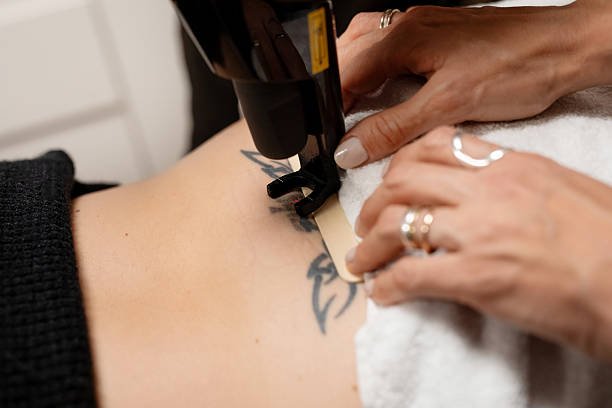
Tattoos can be a meaningful form of self-expression, but personal preferences may change over time. Whether you want to remove an old design, fade unwanted ink, or prepare your skin for a new tattoo, laser treatment offers a widely used option. Understanding how the procedure works, how many sessions may be needed, and what to expect during recovery can help you make an informed decision about your skin.
Laser Tattoo Removal in Riyadh is an option for people seeking professional treatment to reduce the appearance of unwanted tattoos. The procedure uses specialized laser technology to target tattoo pigments beneath the skin while limiting damage to surrounding tissue. If you are exploring tattoo removal riyadh, learning about the treatment process and the factors that influence results can help you determine whether this approach suits your needs.
What Is Laser Tattoo Removal?
Laser tattoo removal is a non-surgical cosmetic procedure that uses concentrated pulses of light to break down tattoo ink particles in the skin. Tattoo pigments are often too large for the body's natural processes to eliminate efficiently. Laser energy helps fragment these particles into smaller pieces, allowing the body's immune system to gradually clear them over time.
The treatment is commonly used for professional tattoos, amateur tattoos, and certain cosmetic tattoos. However, results depend on the ink's characteristics, the tattoo's age, its location, and individual skin responses.
How Does the Laser Tattoo Removal Process Work?
Targeting Tattoo Ink With Laser Energy
During treatment, a trained professional directs laser pulses toward the tattoo. Different ink colors absorb different wavelengths of light, so the appropriate laser settings depend on the pigments being treated. The absorbed energy breaks the ink into smaller particles without intentionally removing the surrounding skin.
The Body Naturally Clears the Ink
After laser treatment, the body's immune system gradually processes and removes the fragmented ink particles. This process takes time, which is why tattoo removal typically requires multiple sessions rather than a single appointment. The skin also needs time to recover between treatments.
Multiple Sessions for Gradual Results
The number of sessions varies according to tattoo size, ink depth, color, and density. Dark inks, particularly black, often respond more readily to laser treatment than certain lighter pigments. A professional assessment helps establish realistic expectations and an appropriate treatment schedule.
What Factors Affect Laser Tattoo Removal Results?
Tattoo Color and Ink Depth
Black and dark blue pigments often respond well to commonly used laser wavelengths. Green, turquoise, yellow, and other lighter colors may be more challenging to remove. Tattoos with deeply deposited or densely packed ink may also require additional treatments.
Skin Type and Tattoo Location
Skin tone influences laser selection and treatment settings because the laser must target the ink while minimizing effects on natural skin pigment. Tattoos located in areas with good circulation may respond differently from those on areas farther from the body's center. An individualized assessment is essential for choosing suitable settings.
Age and Type of Tattoo
Older tattoos may sometimes fade more easily because the body has already broken down some of the pigment. However, this is not guaranteed. Professional tattoos, amateur tattoos, and cosmetic tattoos can respond differently depending on the inks and application techniques used.
What Should You Expect During Treatment and Recovery?
Laser tattoo removal may cause brief discomfort, often described as a snapping sensation against the skin. A cooling method or other appropriate comfort measures may be used to make the procedure more manageable.
Following treatment, temporary redness, swelling, tenderness, or small blisters may occur. Keeping the treated area clean, following aftercare instructions, and protecting the skin from sunlight can support healing. Avoid picking at scabs or blisters, as doing so may increase the risk of infection and scarring.
Although many tattoos can be significantly faded, complete removal is not guaranteed. Temporary or permanent changes in skin pigmentation and scarring are possible. Choosing a qualified professional and following recommended aftercare can help reduce avoidable risks.
Frequently Asked Questions
How many sessions are needed for laser tattoo removal?
The number of sessions depends on tattoo size, color, ink depth, skin characteristics, and the body's response to treatment. Several sessions are commonly needed, with recovery time between appointments.
Is laser tattoo removal painful?
Some people experience a snapping or stinging sensation during treatment. Discomfort varies, and cooling techniques or suitable comfort measures may help manage it.
Can all tattoo colors be removed completely?
Not always. Dark pigments often respond well, while some lighter colors can be more resistant. Complete removal depends on the tattoo and individual circumstances.
How long does the skin take to heal after treatment?
Initial irritation often improves over several days, although healing time varies. The skin may need longer to recover fully, and treatment sessions are spaced to allow appropriate healing.
Can laser tattoo removal leave scars?
Scarring is possible, although careful treatment and proper aftercare can reduce the risk. Existing scars, skin characteristics, and complications during healing may influence the final appearance.
Book Your Laser Tattoo Removal Consultation
If you are considering tattoo removal, a professional consultation can help you understand the available laser options, expected results, and appropriate aftercare for your skin. Enfield Royal Clinic can help you explore your treatment options and determine a personalized approach based on your tattoo and skin concerns. Schedule a consultation to discuss your goals and take the next step toward clearer-looking skin.

 English
 Arabic
 French
 Spanish
 Portuguese
 Deutsch
 Turkish
 Dutch
 Italiano
 Russian
 Romaian
 Greek