
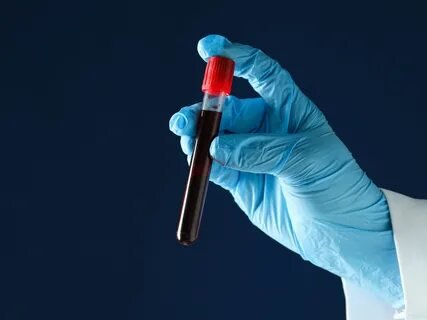
If you smoke and have been asked to take a carcinoembryonic antigen (CEA) blood test, you may wonder whether smoking can influence your results. This is an important question because CEA is a tumor marker used to monitor certain cancers, particularly colorectal cancer, and smoking can affect how healthcare professionals interpret the measurement.
Yes, smoking can increase carcinoembryonic antigen levels in the blood, even when cancer is not present. This means that a smoker may have a higher Carcinoembryonic Antigen Blood Test in Dubai than a nonsmoker. However, an elevated result does not automatically indicate cancer, and smoking should not be assumed to be the only explanation without considering other medical factors.
Understanding the relationship between smoking and CEA testing can help you interpret your laboratory report more accurately and have a more informed discussion with your healthcare provider. This article explains how smoking affects CEA levels, what elevated results may mean, whether quitting smoking can change your results, and how doctors use this blood test during cancer monitoring.
The Connection Between Smoking and CEA Blood Test Results
Carcinoembryonic antigen is a protein associated with certain cells in the body. Small amounts may be detectable in healthy adults, while some cancer cells produce larger quantities. A CEA blood test measures the concentration of this protein in the bloodstream.
Although CEA is commonly associated with colorectal cancer, it is not specific to cancer. Smoking is one of several factors that can contribute to an increased CEA level.
Research and clinical practice recognize that people who smoke may have higher baseline CEA concentrations than people who do not smoke. Consequently, a result that appears mildly elevated may need to be interpreted differently depending on a person's smoking history and the laboratory's reference range.
This does not mean that every smoker will have an elevated CEA level. The effect varies between individuals, and some smokers have results within the normal range.
Why Does Smoking Matter When Interpreting CEA?
Smoking status provides important context for a healthcare professional reviewing a CEA report. Without this information, a clinician may have an incomplete picture of factors that could influence the result.
For example, a slightly elevated measurement in a person who smokes may have a different interpretation from the same measurement in someone who has never smoked. Neither result should be assessed in isolation, particularly when the test is being used to monitor cancer.
Your doctor will also consider your medical history, symptoms, previous CEA measurements, and any other relevant investigations.
How Much Can Smoking Increase CEA Levels?
There is no single amount by which smoking increases CEA in every person. The relationship varies with individual circumstances, and a blood test cannot reliably determine how much of a particular result is attributable to smoking.
Some laboratories use different upper reference limits for smokers and nonsmokers. For example, an upper limit around 3 ng/mL may be used for nonsmokers and around 5 ng/mL for smokers in certain settings. These are illustrative values, not universal cutoffs; the reference interval printed on your laboratory report should take priority.
A result above the expected range does not establish a cancer diagnosis. Equally, a result within the reference range does not rule out cancer.
Does Every Smoker Have High CEA?
No. Smoking does not automatically cause an elevated carcinoembryonic antigen level.
Some smokers have normal CEA measurements, while others may have modest increases. The result can also be influenced by factors unrelated to smoking, including liver disease, inflammation, and certain cancers.
This is why healthcare providers avoid interpreting a CEA result based solely on whether someone smokes.
Can Smoking Cause a False-Positive CEA Result?
Smoking can contribute to an elevated CEA level in someone who does not have cancer. In this sense, it may complicate the interpretation of a result that is being investigated for possible cancer or recurrence.
However, an elevated CEA measurement should not automatically be labelled a false positive. The term describes a result that suggests a concern that is not confirmed by subsequent assessment. Determining whether an increase is related to smoking or another cause requires clinical judgment and, when appropriate, further testing.
Other noncancerous conditions that may increase CEA include:
-
Liver disease
-
Pancreatitis
-
Inflammatory bowel disease
-
Certain other inflammatory conditions
Some cancers also produce CEA, including colorectal cancer and, in selected cases, pancreatic, gastric, or lung cancer.
If your CEA level is higher than expected, your healthcare provider may review your smoking history, assess possible noncancerous causes, compare earlier results, and decide whether repeat testing or additional investigations are appropriate.
What Does an Elevated CEA Level Mean for Smokers?
An elevated CEA result in a smoker must be interpreted in the context of the reason for testing.
For someone without a known cancer diagnosis, CEA testing is generally not recommended as a stand-alone cancer screening method. An elevated result cannot independently diagnose cancer, and additional evaluation should be based on the person's symptoms, risk factors, and clinical findings.
For someone with a history of colorectal cancer, the situation may be different. CEA testing can help monitor selected cancers when the tumor produces this marker. A rising result may prompt the healthcare team to investigate possible recurrence or progression.
Smoking may help explain some elevations, but it should not be used to dismiss a persistent increase in someone receiving cancer follow-up care.
Why Previous CEA Results Matter
A single measurement provides only a snapshot of the CEA concentration at one point in time. Comparing several results can help doctors understand whether a level is stable, falling, or rising.
For example, a person who consistently has a mildly elevated CEA level may be assessed differently from someone whose measurements have increased repeatedly after cancer treatment.
Changes over time are not proof of a particular outcome, however. Doctors interpret trends alongside imaging, physical examinations, symptoms, and other appropriate investigations.
Can Quitting Smoking Lower CEA Levels?
Stopping smoking may reduce smoking-related elevations in CEA over time, although the response varies between individuals. The timing and extent of any change cannot be predicted for every person.
If you are preparing for a CEA blood test or undergoing cancer monitoring, tell your healthcare provider whether you currently smoke, recently quit, or stopped smoking some time ago. This information can help them interpret your current result in relation to previous measurements.
Should You Quit Smoking Before a CEA Test?
You do not generally need to stop smoking for a specified period simply to prepare for a routine CEA blood test. There is no universal pre-test smoking restriction that applies to every laboratory.
However, quitting smoking is strongly beneficial for overall health and can reduce the risk of numerous smoking-related diseases, including several cancers and cardiovascular and respiratory conditions.
If you are considering quitting, your healthcare provider can recommend evidence-based support, such as counselling and appropriate smoking-cessation treatments.
Do not delay a clinically necessary CEA test or change your cancer-monitoring schedule in an attempt to obtain a lower result. Follow your healthcare team's instructions.
How Doctors Interpret CEA Results in People Who Smoke
When reviewing a CEA blood test, healthcare professionals consider several pieces of information rather than relying on a single number.
Smoking history: Current and previous smoking can help explain why a measurement may differ from the expected range.
Laboratory reference interval: Different laboratories may use different testing methods and reference limits. Your result should be interpreted using the range supplied with your report.
Medical history: Liver disease, inflammatory conditions, and other health problems may affect CEA levels.
Cancer history: For people previously treated for colorectal cancer or another CEA-producing cancer, earlier results and the treatment timeline are especially important.
Other investigations: Depending on the situation, the clinician may recommend repeat CEA testing, imaging studies, colonoscopy, or other assessments.
A doctor may choose to repeat a mildly elevated result to determine whether the increase persists. If the level continues to rise or the clinical circumstances warrant it, additional investigations may be needed. The appropriate next step depends on the individual patient rather than a fixed CEA number.
Is the CEA Blood Test Accurate for Smokers?
CEA testing can be useful for monitoring selected cancers, but smoking is one reason the test must be interpreted carefully.
The test has important limitations. Some cancers do not produce elevated CEA, while smoking and certain noncancerous conditions can increase it. As a result, CEA testing alone cannot reliably confirm cancer, exclude cancer, or determine whether cancer has returned.
Its value is generally greatest when doctors already know that CEA is a useful marker for the patient's cancer and can compare results over time.
For people being monitored after colorectal cancer treatment, CEA may be one component of a follow-up plan that also includes clinical assessment and other tests. It does not replace recommended imaging or colonoscopy.
Frequently Asked Questions About Smoking and CEA Levels
Can smoking cause a high CEA blood test result without cancer?
Yes. Smoking can increase CEA levels in people who do not have cancer. However, an elevated result should still be interpreted alongside medical history, previous measurements, and any symptoms or other clinical findings.
Should I tell my doctor that I smoke before a CEA test?
Yes. Tell your healthcare provider about your current or previous smoking history. This information can help them interpret the result and compare it with your earlier CEA measurements.
Can a smoker have a normal CEA level?
Yes. Many smokers have CEA results within their laboratory's reference range. Smoking may increase CEA in some individuals, but it does not affect everyone in the same way.
Does a high CEA level mean that cancer has returned?
Not necessarily. Smoking and certain noncancerous conditions can contribute to elevated results. In someone with a cancer history, a sustained increase may warrant further investigation, but CEA alone cannot confirm recurrence.
Should I repeat my CEA test after quitting smoking?
Your healthcare provider can decide whether repeat testing is appropriate based on your reason for testing, previous results, and clinical history. Do not arrange or delay follow-up testing solely to see whether quitting changes the number.
Conclusion
Smoking can affect carcinoembryonic antigen blood Lab tests results by contributing to higher CEA levels, even in people who do not have cancer. This is an important consideration when interpreting mildly elevated measurements and comparing results over time.
However, smoking is only one possible explanation for an increased CEA level. Noncancerous medical conditions and certain cancers can also raise the measurement, while some cancers may be present despite a normal result.
If you smoke and have received an elevated CEA result, discuss it with your healthcare provider rather than assuming it is harmless or evidence of cancer. Your smoking history, laboratory reference range, previous results, medical conditions, and other investigations will help determine what the result means and whether further assessment is needed. Quitting smoking can improve your long-term health, but it should complement—not replace—appropriate medical evaluation and cancer follow-up care.

 English
 Arabic
 Spanish
 Portuguese
 Deutsch
 Turkish
 Dutch
 Italiano
 Russian
 Romaian
 Portuguese (Brazil)
 Greek