
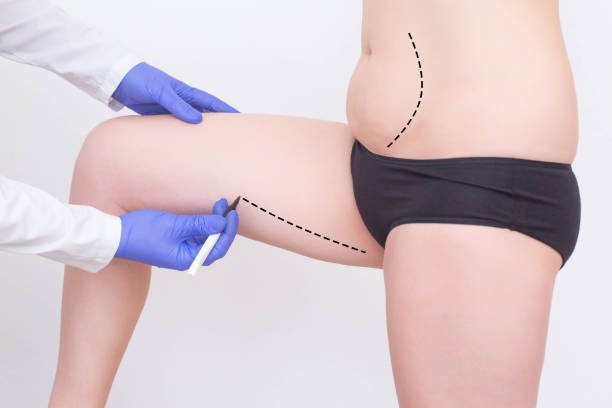
Body shape and fat distribution can influence how men feel about their appearance. Despite maintaining a balanced diet and exercising regularly, some men find it difficult to reduce stubborn fat around the abdomen, waist, chest, flanks, and chin. These concerns may lead them to explore cosmetic procedures designed to improve body contours and create a more defined appearance.
liposuction in Riyadh(عملية شفط الدهون في الرياض) is a search term used by men interested in learning about surgical fat removal, available techniques, recovery expectations, and suitability for body sculpting. Liposuction is a cosmetic surgical procedure that removes localized fat deposits from selected areas of the body. It is intended to improve body contours rather than serve as a primary weight-loss treatment.
Understanding how liposuction works, what it can realistically achieve, and which factors influence the results can help men make informed decisions. Men researching liposuction surgery in Saudi Arabia should also understand the importance of medical assessment, realistic expectations, and appropriate postoperative care.
What Is Liposuction for Men?
Liposuction is a surgical procedure that removes excess fat from specific areas through a small incision using a thin instrument called a cannula. The surgeon moves the cannula through targeted fat deposits to help reshape the treated area.
Male body sculpting generally focuses on improving definition while maintaining natural-looking proportions. Depending on an individual's anatomy and goals, treatment may address the abdomen, waist, chest, back, thighs, or chin.
Unlike general weight-loss methods, liposuction targets localized fat deposits that remain resistant to lifestyle changes. However, it does not prevent future weight gain, eliminate visceral fat surrounding internal organs, or independently improve overall fitness.
Men considering liposuction surgery in Saudi Arabia should understand that the procedure is most suitable for body contouring when they are near a stable, healthy weight and have realistic expectations about the outcome.
Why Do Men Consider Liposuction in Riyadh?
Men may explore body contouring for different reasons, including persistent abdominal fat, love handles, or a lack of visible muscle definition. The way fat accumulates varies between individuals and can be influenced by genetics, age, hormones, lifestyle, and overall body composition.
Even physically active men may have localized fat deposits that do not respond as expected to exercise. Liposuction can sometimes help refine these areas, depending on the amount of subcutaneous fat, skin elasticity, and the person's overall anatomy.
The decision should be based on personal goals rather than pressure to achieve a particular body shape. A qualified surgeon can explain whether liposuction is appropriate or whether another treatment or lifestyle approach would be more beneficial.
Common Areas for Male Body Sculpting
Abdominal Fat Removal
The abdomen is a common area of concern for men seeking a more defined torso. Liposuction can remove selected deposits of subcutaneous fat from the upper or lower abdomen, helping create a flatter and more proportionate appearance.
However, abdominal fullness may also result from visceral fat, weakened abdominal muscles, or loose skin. Liposuction does not remove visceral fat or repair separated abdominal muscles. An assessment helps determine which factors contribute to the individual's abdominal shape.
Waist and Love Handles
Love handles refer to fat deposits around the sides of the waist. These areas can affect the transition between the abdomen and the back, making the waist appear wider.
Liposuction may help reduce localized fat along the flanks and improve the overall outline of the torso. The aim is to create balanced contours rather than an artificially narrow waist. Maintaining a stable weight after surgery is important for preserving the improvement.
Chest Contouring
Some men experience excess chest fullness caused by fat accumulation, glandular breast tissue, or a combination of both. Liposuction may be appropriate when fatty tissue contributes substantially to the appearance.
However, gynecomastia, which involves enlarged male breast glandular tissue, may require a different surgical approach or a combination of techniques. A medical examination is essential to identify the cause of chest enlargement and determine the appropriate treatment.
Back Fat Removal
Fat deposits around the upper or lower back can create visible folds beneath clothing. In suitable candidates, liposuction may reduce localized deposits and improve the transition between the back and waist.
The extent of improvement depends on the distribution of fat, skin elasticity, and individual anatomy. Men with significant loose skin may need to discuss additional options because removing fat alone does not necessarily tighten the skin.
Chin and Neck Contouring
Localized fat beneath the chin can make the jawline appear less defined. Liposuction may help selected individuals improve the appearance of the chin and neck by reducing accessible fat deposits.
Results depend on skin elasticity, jaw structure, and the amount of excess fat. Significant skin laxity may limit the benefits of fat removal alone, making a professional assessment particularly important.
Types of Liposuction Techniques for Men
Different liposuction techniques may be considered according to the treatment area, the surgeon's experience, and the patient's anatomy. No single technique is ideal for every individual.
Traditional Liposuction
Traditional liposuction uses a cannula to loosen and remove fat through controlled suction. It remains an established method for treating localized fat deposits in various body areas.
The surgeon determines the appropriate treatment plan according to the volume and distribution of fat, the desired contours, and the patient's medical history.
VASER Liposuction
VASER liposuction uses ultrasound energy to help separate fat cells before they are removed. It may be considered for selected body-contouring procedures, including areas where greater contour definition is desired.
Although the technique can assist fat removal, it does not guarantee superior results or eliminate surgical risks. Outcomes depend on proper patient selection, surgical technique, and postoperative management.
Laser-Assisted Liposuction
Laser-assisted liposuction uses laser energy during the fat-removal process. It may be considered for certain treatment areas, depending on the individual's goals and the surgeon's assessment.
Claims about skin tightening and recovery should be evaluated carefully because results vary. Laser-assisted procedures remain surgical interventions and carry risks that must be discussed before treatment.
Who Is a Suitable Candidate for Male Liposuction?
The most suitable candidates are generally adults who are near a stable, healthy weight, have localized subcutaneous fat deposits, and understand the limitations of the procedure.
Good skin elasticity can support smoother contours after fat removal. Men with substantial excess skin may require a different approach to achieve their desired appearance.
Before proceeding with liposuction in Riyadh, candidates should undergo a medical evaluation that considers their health history, medications, smoking habits, previous surgeries, and expectations.
Liposuction may not be appropriate for individuals with certain uncontrolled medical conditions or those expecting substantial weight loss. The surgeon should explain the potential benefits, alternatives, and risks before a decision is made.
How to Prepare for Liposuction Surgery in Saudi Arabia
Preparation begins with a consultation and a discussion of the areas the patient wants to address. The surgeon examines body composition, skin quality, medical history, and factors that could affect recovery.
Patients should provide accurate information about medications, supplements, allergies, and existing health conditions. Some medications may need adjustment under medical supervision, while smoking cessation may be recommended to support healing.
The surgical team should also explain the anesthesia plan, expected recovery period, wound care, and follow-up arrangements. Patients should arrange transportation and assistance during the initial recovery period if necessary.
Anyone researching liposuction surgery in Saudi Arabia should verify the surgeon's relevant qualifications, understand the procedure's limitations, and ensure that treatment takes place in an appropriately equipped medical setting.
Recovery and Results After Male Liposuction
Recovery varies according to the treatment area, the extent of fat removal, and the individual's healing response. Swelling, bruising, soreness, and temporary changes in sensation are common during the early recovery period.
Compression garments may be recommended to help manage swelling and support the treated areas. Patients should follow instructions regarding bathing, wound care, physical activity, and prescribed medication.
Light movement may be encouraged when appropriate, but strenuous exercise and heavy lifting should be postponed until the surgeon confirms that resuming them is safe. Follow-up appointments allow the medical team to monitor healing and address concerns.
Initial changes may become visible as swelling decreases, although the final contours can take several months to develop. Maintaining a stable weight and healthy lifestyle can help preserve results. Significant weight fluctuations may affect the treated and untreated areas.
Risks and Important Safety Considerations
Liposuction is a surgical procedure, and understanding its risks is essential before treatment. Potential complications include infection, bleeding, fluid accumulation, irregular contours, changes in skin sensation, asymmetry, and reactions to anesthesia.
Less common but serious complications can also occur, including blood clots, fat embolism, and damage to underlying structures. Risk levels vary according to the procedure, the patient's health, and other individual factors.
Patients should contact their medical team promptly if they experience increasing pain, spreading redness, fever, unusual swelling, or drainage from an incision. Chest pain, sudden shortness of breath, or fainting requires emergency medical attention.
Choosing an appropriately qualified surgeon, following preoperative instructions, and attending postoperative appointments are important parts of safe surgical care.
Conclusion
Male body sculpting can help address stubborn fat deposits that remain despite consistent lifestyle efforts. Liposuction may improve the contours of the abdomen, waist, chest, back, and chin in carefully selected candidates, but it is not a substitute for weight management or a healthy lifestyle. Understanding the available techniques, recovery process, potential risks, and realistic outcomes is essential before making a decision.
For individuals researching liposuction in Riyadh and liposuction surgery in Saudi Arabia, the next step is to seek a professional assessment and discuss personal goals with a qualified medical specialist. Enfield Royal Clinic Saudi can be explored as a source of information about available aesthetic services, with treatment decisions based on an individualized consultation, appropriate medical evaluation, and a clear understanding of the potential benefits and risks.
Frequently Asked Questions
What Is the Purpose of Liposuction for Men?
Liposuction removes localized deposits of subcutaneous fat to improve body contours. It may help refine areas such as the abdomen, waist, chest, back, and chin, but it is not designed to produce major weight loss.
Which Areas Can Be Treated With Male Liposuction?
Common treatment areas include the abdomen, flanks, lower back, chest, thighs, and chin. The appropriate areas depend on fat distribution, skin elasticity, medical history, and individual goals.
Is Liposuction in Riyadh Suitable for Every Man?
No. Suitability depends on overall health, weight stability, localized fat deposits, skin quality, and expectations. A qualified surgeon must assess each individual before recommending surgery.
What Is the Difference Between VASER and Traditional Liposuction?
Traditional liposuction removes fat using a cannula and suction. VASER uses ultrasound energy to help separate fat before removal. The most appropriate technique depends on the patient's anatomy and treatment objectives.
How Long Does Recovery From Male Liposuction Take?
Initial recovery often takes days to weeks, depending on the extent of surgery. Swelling may continue for several months, and strenuous activities should resume only according to the surgeon's instructions.
Does Liposuction Provide Permanent Results?
Fat cells removed during liposuction do not grow back in the same way, but remaining fat cells can enlarge with weight gain. Maintaining a stable weight and healthy lifestyle helps support longer-lasting results.

 English
 Arabic
 French
 Spanish
 Portuguese
 Turkish
 Dutch
 Italiano
 Russian
 Romaian
 Portuguese (Brazil)
 Greek