
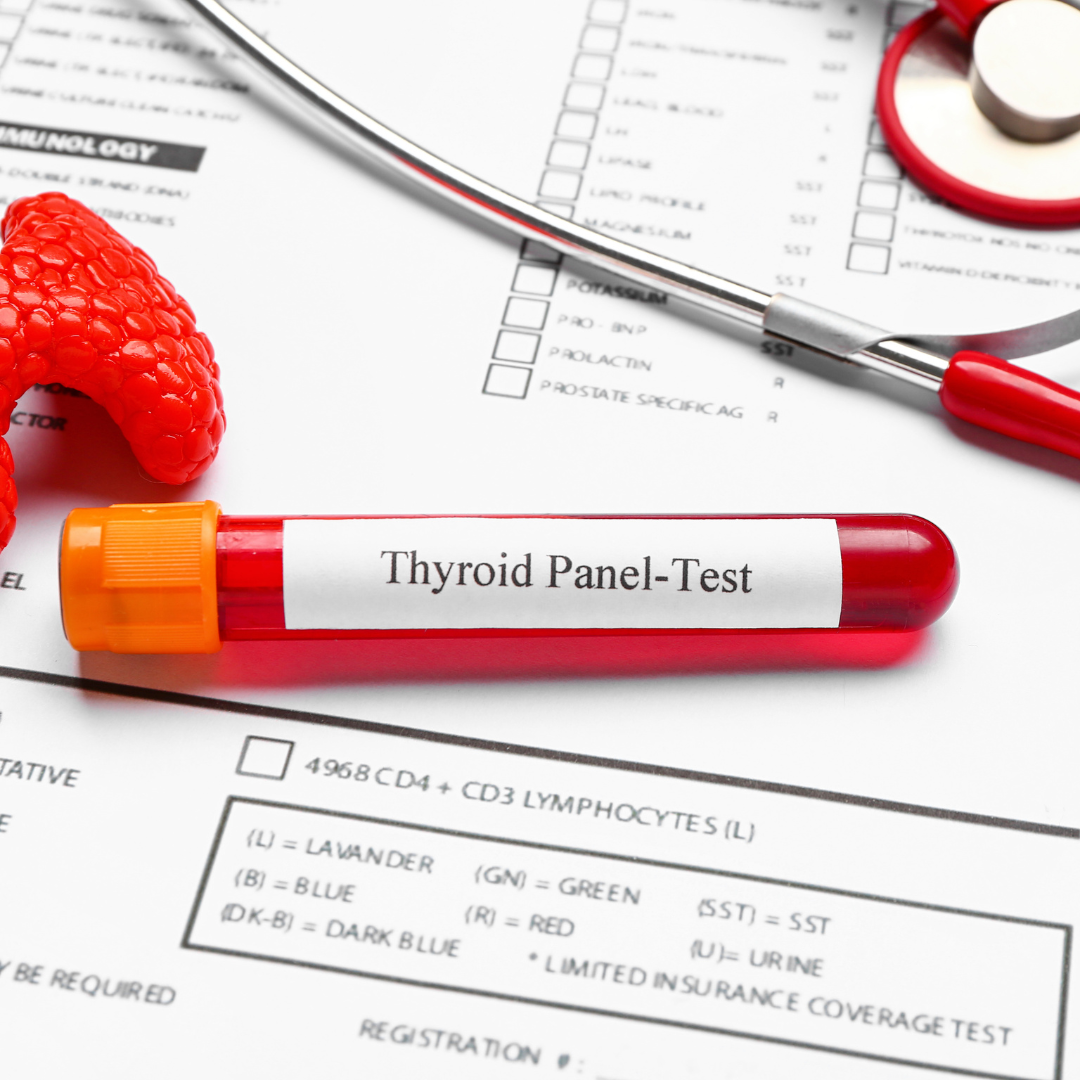
Unexplained fatigue, changes in body weight, hair thinning, and sensitivity to cold or heat can sometimes signal a thyroid problem. When these symptoms occur, a healthcare professional may recommend thyroid blood tests to investigate whether the gland is functioning normally or whether an autoimmune condition could be involved.
One test used in this evaluation is the Anti-Thyroglobulin Antibodies Test in Dubai, also known as the TgAb test. It measures antibodies directed against thyroglobulin, a protein produced by the thyroid gland. Abnormal results may provide evidence of thyroid autoimmunity, particularly in people being evaluated for Hashimoto’s thyroiditis.
However, an important distinction often gets overlooked: thyroglobulin antibodies do not directly cause a specific set of symptoms, and an abnormal result does not automatically mean that thyroid function is impaired. Symptoms are more closely related to the underlying thyroid condition and changes in thyroid hormone levels.
Understanding this connection can help you recognize potential warning signs, interpret your laboratory report, and determine when further medical evaluation may be appropriate.
First, Understand What an Abnormal TgAb Result Really Means
A thyroglobulin antibodies blood test checks whether the immune system has produced antibodies that react against thyroglobulin. These antibodies may be detected when the immune system mistakenly targets components of the thyroid gland.
A positive or elevated TgAb result can support an investigation for autoimmune thyroid disease. However, some people have detectable antibodies while their thyroid hormone levels remain normal and they experience no noticeable symptoms.
Other people may have thyroid dysfunction despite a negative TgAb result. For example, some individuals with Hashimoto’s thyroiditis have thyroid peroxidase antibodies (TPOAb) but no detectable TgAb.
The result therefore needs to be interpreted alongside thyroid-stimulating hormone (TSH), free thyroxine (free T4), symptoms, medical history, and other relevant findings.
Laboratory reference ranges vary, so a result should be compared with the range provided by the testing laboratory rather than a universal cutoff.
Symptoms That May Appear When Thyroid Function Slows Down
One possible condition associated with positive thyroid antibodies is Hashimoto’s thyroiditis. This autoimmune disorder can gradually damage thyroid tissue, eventually reducing the gland’s ability to produce sufficient hormones.
When thyroid hormone levels become too low, a condition called hypothyroidism may develop. Because thyroid hormones influence metabolism and many body systems, symptoms can affect several areas of health.
Persistent fatigue and low energy
Feeling unusually tired despite adequate rest is a common symptom of hypothyroidism. Some people also experience reduced stamina, muscle weakness, or difficulty completing everyday activities.
Fatigue has many possible causes, including sleep problems, anemia, stress, and other medical conditions. It should not automatically be attributed to thyroid antibodies.
Unexplained weight changes
An underactive thyroid can contribute to weight gain or make weight management more difficult. Changes may also reflect fluid retention or other health factors.
A positive TgAb result alone cannot explain weight gain. TSH and free T4 help determine whether thyroid hormone levels are contributing.
Feeling cold more often than usual
People with hypothyroidism may become unusually sensitive to cold temperatures. They may feel uncomfortable when others feel warm or notice that their hands and feet remain cold.
This symptom can be a useful clue when it occurs alongside fatigue, constipation, or dry skin, but it is not specific to thyroid disease.
Dry skin, hair thinning, and brittle nails
Reduced thyroid hormone levels may affect skin moisture, hair growth, and nail texture. Some people notice dry or rough skin, increased hair shedding, or brittle nails.
These changes can also result from nutritional deficiencies, skin conditions, hormonal changes, and other causes. A healthcare professional can help determine whether thyroid testing or additional evaluation is needed.
Constipation and difficulty concentrating
Hypothyroidism may slow bowel movements, leading to constipation. Some people also report difficulty concentrating, forgetfulness, or a feeling of mental sluggishness.
These symptoms may occur gradually, making them easy to overlook. Their significance increases when several symptoms develop together, particularly in someone with a personal or family history of thyroid disease.
When Thyroid Hormone Levels Are High, the Symptoms Can Look Different
Not every autoimmune thyroid condition causes an underactive gland. Graves’ disease is an autoimmune disorder that commonly causes hyperthyroidism, meaning the thyroid produces excessive amounts of thyroid hormone.
Some forms of thyroiditis can also release stored thyroid hormones into the bloodstream, temporarily producing symptoms of excess thyroid hormone.
Possible symptoms include:
-
A rapid or noticeable heartbeat
-
Trembling hands or increased shakiness
-
Feeling unusually hot or sweating more than normal
-
Unintended weight loss despite a normal or increased appetite
-
Anxiety, irritability, or restlessness
-
More frequent bowel movements
-
Difficulty sleeping or muscle weakness
TgAb may be present in people with Graves’ disease, but it is not the main test used to diagnose this condition. Thyroid-stimulating hormone receptor antibodies (TRAb) or thyroid-stimulating immunoglobulins (TSI) are more directly relevant when Graves’ disease is suspected.
A low TSH level with elevated free T4 or free T3 may indicate hyperthyroidism, but the cause must be determined through clinical assessment and appropriate testing.
Could Neck Pain or Swelling Be Related to Thyroid Antibodies?
Some thyroid conditions cause visible swelling or discomfort at the front of the neck, where the thyroid gland is located. Thyroid enlargement is known as a goiter.
Hashimoto’s thyroiditis can sometimes cause an enlarged thyroid, although many affected people do not develop obvious swelling. Subacute thyroiditis, by contrast, may cause a painful or tender thyroid and can sometimes follow a viral illness.
Neck pain is not a direct symptom of a positive TgAb result. It may indicate an underlying thyroid condition or an unrelated problem that requires examination.
A healthcare professional may recommend a physical examination and, when appropriate, a thyroid ultrasound to investigate enlargement, tenderness, nodules, or other structural changes.
Seek prompt medical attention for new or persistent neck swelling or significant pain. Severe difficulty breathing or swallowing requires urgent medical care.
How to Match Symptoms With Your Thyroid Test Results
Symptoms can help guide an investigation, but they cannot confirm whether an abnormal TgAb result is clinically significant. The following patterns illustrate how clinicians may interpret common combinations of findings.
| TgAb result | Other findings | Possible interpretation |
|---|---|---|
| Positive | Normal TSH and free T4 | Thyroid autoimmunity may be present without current thyroid dysfunction. |
| Positive | High TSH and low free T4 | Findings may be consistent with hypothyroidism, potentially related to Hashimoto’s thyroiditis. |
| Positive | Low TSH and elevated free T4 or free T3 | Hyperthyroidism or a temporary thyroiditis-related hormone change may need investigation. |
| Negative | Abnormal TSH or free T4 | Thyroid dysfunction can still occur; further evaluation may be necessary. |
| Positive | Symptoms but normal thyroid function tests | Other causes should be considered rather than assuming the antibodies explain the symptoms. |
These are general examples, not diagnostic rules. Test results may be influenced by illness, medications, pregnancy, and other factors.
TSH and free T4 usually provide more direct information about thyroid function than the TgAb level itself. The concentration of TgAb does not reliably measure the severity of symptoms or the amount of thyroid damage.
What to Do If You Have Symptoms and an Abnormal TgAb Test
If your thyroglobulin antibodies test is positive and you are experiencing symptoms, a structured evaluation can help identify the next steps.
Step 1: Review your thyroid function tests. Ask whether your TSH and free T4 levels fall within the laboratory reference ranges. Depending on the symptoms, free T3 or additional tests may also be appropriate.
Step 2: Discuss other thyroid antibodies. TPOAb may provide additional evidence when Hashimoto’s thyroiditis is suspected. TRAb or TSI may be useful when evaluating possible Graves’ disease.
Step 3: Consider other explanations for your symptoms. Fatigue, hair loss, weight changes, and concentration problems are not unique to thyroid disorders. Your clinician may consider other medical, nutritional, hormonal, or lifestyle factors.
Step 4: Follow an individualized monitoring plan. If thyroid antibodies are present but thyroid function is normal, periodic TSH monitoring may be recommended depending on your risk factors and clinical situation. Repeated TgAb measurements are not routinely necessary for everyone.
Step 5: Discuss treatment only in the context of a diagnosis. Thyroid hormone medication may be appropriate for confirmed hypothyroidism, but a positive TgAb result alone does not mean medication is required.
Tell your healthcare professional about any medications and supplements you take. Biotin, often found in hair and nail supplements, can interfere with certain thyroid-related laboratory tests depending on the assay. Ask whether any preparation is needed before testing, and do not stop prescribed medication without medical advice.
Frequently Asked Questions
Can positive thyroglobulin antibodies cause fatigue?
TgAb itself is not established as a direct cause of fatigue. Fatigue may occur when an underlying thyroid condition affects hormone production, but many other conditions can produce the same symptom.
Can I have high TgAb without symptoms?
Yes. Some people have elevated thyroglobulin antibodies while TSH and free T4 remain normal. Depending on individual risk factors, a clinician may recommend monitoring rather than treatment.
Does a high TgAb level mean my thyroid disease is severe?
No. The antibody level does not reliably measure disease severity, thyroid damage, or the intensity of symptoms. Thyroid function tests and clinical findings are more useful for assessing the overall condition.
When should I see a doctor about possible thyroid symptoms?
Arrange an appointment if you have persistent unexplained fatigue, significant weight changes, ongoing palpitations, unusual temperature sensitivity, or neck swelling. Seek urgent care for severe symptoms such as chest pain, fainting with a rapid heartbeat, or difficulty breathing.
Conclusion
The symptoms associated with an abnormal thyroglobulin antibodies Lab tests depend largely on whether an underlying thyroid condition is affecting hormone production. Positive TgAb may support an investigation for autoimmune thyroid disease, but some people remain symptom-free with normal thyroid function.
Fatigue, cold sensitivity, constipation, dry skin, and hair thinning may occur with hypothyroidism, while palpitations, tremors, heat intolerance, and unintended weight loss can suggest excess thyroid hormone activity. None of these symptoms can diagnose thyroid disease on its own.
The most reliable approach combines TgAb results with TSH, free T4, relevant additional tests, and a healthcare professional’s assessment. This helps identify the cause of symptoms and determine whether monitoring, further investigation, or treatment is appropriate.
Medical disclaimer: This article is for educational purposes only and does not replace professional medical advice, diagnosis, or treatment. Consult a qualified healthcare professional to interpret your test results and discuss persistent or concerning symptoms.

 English
 French
 Spanish
 Portuguese
 Deutsch
 Turkish
 Dutch
 Italiano
 Russian
 Romaian
 Portuguese (Brazil)
 Greek