
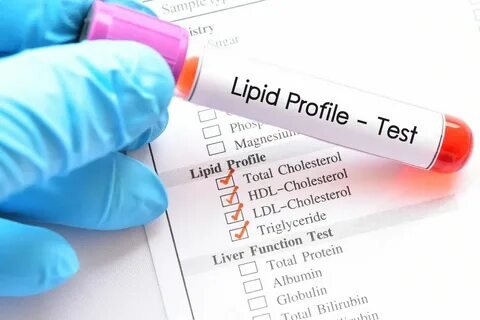
Understanding your cholesterol report is an important step toward protecting your heart health. When you receive a Lipid Profile Test in Dubai result, two numbers often attract the most attention: HDL cholesterol and LDL cholesterol. Although both carry cholesterol through your bloodstream, they perform different functions and have different implications for cardiovascular health.
HDL is commonly known as good cholesterol, while LDL is often called bad cholesterol. However, understanding these measurements involves more than simply checking whether a number is high or low. Your age, medical history, triglyceride levels, blood pressure, and other risk factors all influence how your cholesterol results should be interpreted.
This guide explains how to understand HDL and LDL levels in a lipid profile test, recognize healthy cholesterol ranges, identify possible causes of abnormal results, and make informed decisions about improving your cholesterol levels.
Start With the Basics: What Do HDL and LDL Actually Measure?
A lipid profile test, also called a lipid panel or cholesterol blood test, measures different types of fats and cholesterol-carrying particles in your blood. Cholesterol is essential for building cell membranes, producing hormones, and supporting vitamin D production. However, the way cholesterol travels through the bloodstream affects your cardiovascular health.
Because cholesterol cannot dissolve freely in blood, the body transports it inside particles called lipoproteins.
Two major types are:
-
High-density lipoprotein (HDL): Helps transport excess cholesterol from tissues toward the liver for processing and removal.
-
Low-density lipoprotein (LDL): Carries cholesterol to tissues, but elevated levels can contribute to cholesterol buildup in artery walls.
These two measurements provide different information about your lipid profile. HDL is associated with cholesterol transport and cardiovascular risk, whereas LDL is a primary target for treatment because it contributes directly to the development of atherosclerotic plaque.
HDL Cholesterol Explained: How Much Good Cholesterol Is Healthy?
HDL cholesterol is often called good cholesterol because it participates in reverse cholesterol transport. This process helps move excess cholesterol away from tissues and toward the liver, where it can be processed and eliminated.
Higher HDL levels are often associated with lower cardiovascular risk, but the relationship is more complex than a simple good-versus-bad comparison.
What Is a Normal HDL Cholesterol Level?
For adults, commonly used general reference points are:
| HDL cholesterol level | General interpretation |
|---|---|
| Below 40 mg/dL in men | Low |
| Below 50 mg/dL in women | Low |
| 40–59 mg/dL in men | Generally acceptable, depending on individual risk |
| 50–59 mg/dL in women | Generally acceptable, depending on individual risk |
| 60 mg/dL or higher | Traditionally considered a favorable level |
These values are general guidelines rather than strict treatment targets. Your laboratory may use slightly different reference ranges, and HDL cholesterol should always be interpreted alongside LDL cholesterol and other cardiovascular risk factors.
What Happens When HDL Cholesterol Is Too Low?
Low HDL cholesterol may occur alongside high triglycerides, insulin resistance, metabolic syndrome, and type 2 diabetes. This combination can indicate an unfavorable metabolic profile and an increased risk of cardiovascular disease.
Common factors associated with low HDL include smoking, physical inactivity, excess body weight, a diet high in refined carbohydrates, and genetic influences.
Can You Increase HDL Cholesterol Naturally?
Regular exercise, quitting smoking, maintaining a healthy weight, and choosing unsaturated fats such as those found in nuts, seeds, olive oil, and fish can support a healthier lipid profile.
However, deliberately raising HDL cholesterol is not the main goal of modern cholesterol treatment. Increasing the HDL number alone has not consistently been shown to reduce cardiovascular events. The focus should be on improving overall cardiovascular health and lowering elevated LDL cholesterol when appropriate.
LDL Cholesterol Decoded: Why This Number Matters So Much
LDL cholesterol is commonly called bad cholesterol because high levels can contribute to atherosclerosis, a condition in which fatty deposits accumulate inside artery walls.
Over time, these deposits can narrow arteries and interfere with blood flow. If a plaque ruptures and a blood clot forms, the result may be a heart attack or ischemic stroke.
Unlike HDL cholesterol, LDL cholesterol is a central target in cardiovascular prevention because lowering elevated LDL reduces the risk of cardiovascular events.
How to Interpret LDL Cholesterol Levels
General adult LDL cholesterol categories are commonly described as follows:
| LDL cholesterol level | General interpretation |
|---|---|
| Below 100 mg/dL | Optimal for many adults |
| 100–129 mg/dL | Near optimal or above optimal |
| 130–159 mg/dL | Borderline high |
| 160–189 mg/dL | High |
| 190 mg/dL or higher | Very high |
These categories provide a starting point for understanding a cholesterol report. They do not determine treatment by themselves.
For example, someone with established cardiovascular disease may need a substantially lower LDL cholesterol level than someone without major risk factors. People with diabetes or other high-risk conditions may also have more stringent treatment goals.
An LDL result of 190 mg/dL or higher in an adult deserves timely medical evaluation because it may indicate severe hypercholesterolemia or an inherited condition such as familial hypercholesterolemia.
What Causes High LDL Cholesterol?
Several factors can contribute to elevated LDL cholesterol, including:
-
Eating too much saturated fat from certain fatty meats, butter, and full-fat dairy products.
-
Genetic conditions that affect how the body processes cholesterol.
-
Physical inactivity and excess body weight.
-
Hypothyroidism and some kidney conditions.
-
Certain medications and underlying medical conditions.
High LDL cholesterol can develop even in people who eat carefully and exercise regularly. Genetics and other health factors may play a substantial role, so lifestyle changes are not always sufficient on their own.
HDL vs. LDL Cholesterol: What Is the Real Difference?
Although both HDL and LDL carry cholesterol, their roles in cardiovascular health differ.
| Feature | HDL cholesterol | LDL cholesterol |
|---|---|---|
| Common name | Good cholesterol | Bad cholesterol |
| Main role | Helps transport excess cholesterol toward the liver | Delivers cholesterol to tissues |
| Health concern | Low levels can be associated with increased cardiovascular risk | Elevated levels contribute to artery plaque |
| Main management focus | Support overall metabolic and cardiovascular health | Lower elevated levels according to individual risk |
The important distinction is that HDL and LDL are not competing measurements where one automatically cancels out the other.
A person with high HDL cholesterol can still have a significant cardiovascular risk if LDL cholesterol is elevated. Similarly, a low LDL level does not eliminate every cardiovascular risk associated with smoking, high blood pressure, or diabetes.
The most useful interpretation considers the entire lipid profile rather than focusing on a single number.
Why Total Cholesterol Is Not the Whole Story
Total cholesterol represents the cholesterol carried by different lipoproteins in your blood. A result below 200 mg/dL is generally considered desirable for many adults, but this measurement alone cannot fully explain your cardiovascular risk.
Consider two people with the same total cholesterol level. One may have relatively high HDL and lower LDL, while the other has elevated LDL and low HDL. Their overall risk profiles may be different.
Your lipid profile may also include triglycerides, which are fats used by the body for energy. A normal fasting triglyceride level is generally below 150 mg/dL.
Another useful measurement is non-HDL cholesterol, calculated by subtracting HDL cholesterol from total cholesterol. It reflects cholesterol carried by LDL and other potentially harmful lipoproteins.
When triglycerides are elevated, non-HDL cholesterol can provide additional information about a person's lipid-related cardiovascular risk.
What Can Your HDL and LDL Results Tell You About Heart Health?
Cholesterol levels are important because cardiovascular disease can develop silently over many years. High LDL cholesterol generally does not cause noticeable symptoms, which means a person can feel healthy while plaque gradually accumulates in the arteries.
Your results may help your healthcare professional identify risk factors before symptoms appear.
For a more complete assessment, your doctor may consider:
-
Your age and family history of early cardiovascular disease.
-
Blood pressure and smoking status.
-
Blood glucose levels and diabetes history.
-
Kidney function and other medical conditions.
-
Previous heart attacks, strokes, or diagnosed vascular disease.
-
Triglycerides and non-HDL cholesterol.
This information helps determine whether lifestyle changes alone may be reasonable or whether cholesterol-lowering medication is appropriate.
Practical Ways to Improve Your HDL and LDL Levels
Improving your cholesterol profile usually involves several sustainable habits rather than a single dietary change.
Choose Heart-Healthy Foods
Replace some foods high in saturated fat with sources of unsaturated fat, including olive oil, nuts, seeds, and fish. Eat more vegetables, fruits, whole grains, beans, and lentils.
Soluble fiber from foods such as oats, beans, and certain fruits can help reduce LDL cholesterol by limiting cholesterol absorption in the digestive system.
Stay Physically Active
Regular aerobic exercise, such as brisk walking, cycling, or swimming, supports cardiovascular health and can improve triglyceride levels and other metabolic risk factors.
Aim for a consistent activity routine suited to your fitness level and medical needs.
Maintain a Healthy Weight
If you have excess body weight, gradual weight loss may help improve LDL cholesterol, triglycerides, blood pressure, and blood glucose levels.
Avoid Tobacco and Address Other Risk Factors
Smoking damages blood vessels and increases cardiovascular risk. Quitting tobacco is beneficial even if your cholesterol numbers are already within desirable ranges.
Managing diabetes, controlling blood pressure, and getting adequate sleep also support long-term cardiovascular health.
Discuss Medication When Needed
Lifestyle changes are essential, but some people need medication to achieve appropriate LDL cholesterol levels. Statins are commonly used, while other treatments may be considered depending on cholesterol levels, medical history, and individual risk.
Do not start or discontinue cholesterol medication without discussing it with your healthcare professional.
Do You Need to Fast Before a Lipid Profile Test?
Many lipid profile tests can be performed without fasting. Nonfasting cholesterol testing is widely accepted for routine cardiovascular risk assessment.
However, your doctor may request a fasting lipid profile if triglycerides are significantly elevated, previous results require clarification, or the laboratory specifically requires fasting.
Follow the instructions provided with your test request, and make sure your healthcare professional knows about medications or medical conditions that may affect the results.
Frequently Asked Questions About HDL and LDL Cholesterol
Which is more important, HDL or LDL?
Both are useful, but LDL cholesterol is a major treatment target because elevated levels contribute directly to atherosclerosis. HDL provides additional information about cardiovascular risk, but a high HDL level does not cancel out high LDL cholesterol.
Can LDL cholesterol be high even if HDL is normal?
Yes. HDL and LDL measure different aspects of cholesterol transport. You can have normal HDL cholesterol and elevated LDL cholesterol, which may still require lifestyle changes or medication.
Does high HDL mean I cannot develop heart disease?
No. High HDL cholesterol does not guarantee protection from cardiovascular disease. Blood pressure, LDL cholesterol, smoking, diabetes, genetics, and other factors remain important.
How often should I check my cholesterol levels?
The appropriate testing interval depends on your age, cardiovascular risk, previous results, and whether you take cholesterol-lowering medication. Your healthcare provider can recommend a suitable schedule.
Conclusion: Understand Your Numbers Before Making Decisions
Learning how to understand HDL and LDL levels in a lipid profile Lab tests helps you make more informed decisions about your cardiovascular health. HDL participates in removing excess cholesterol, while elevated LDL contributes to plaque formation inside arteries.
Neither measurement should be interpreted in isolation. Your total cholesterol, triglycerides, non-HDL cholesterol, medical history, and other risk factors all contribute to a more complete assessment.
Focus on sustainable lifestyle changes, appropriate cholesterol screening, and personalized medical guidance. When elevated LDL cholesterol requires treatment, combining healthy habits with evidence-based medication can significantly reduce cardiovascular risk.

 English
 French
 Spanish
 Portuguese
 Deutsch
 Turkish
 Dutch
 Italiano
 Russian
 Romaian
 Portuguese (Brazil)
 Greek