
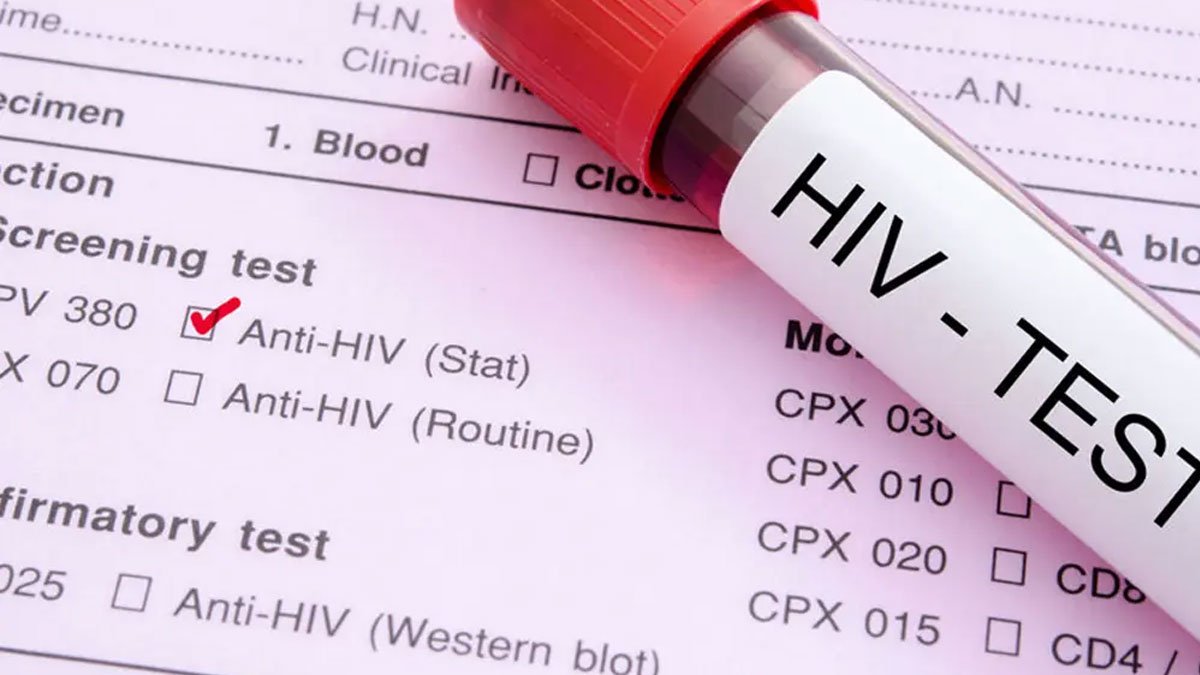
HIV blood testing is an important way to identify HIV infection and understand your health status. However, many people wonder whether taking medication before an HIV Blood Test in Dubai can affect the results. Questions about antibiotics, antiviral drugs, HIV prevention medication, and other prescription medicines are common, especially among people who have recently experienced a possible HIV exposure.
The answer depends on the type of medication, the timing of its use, and the HIV testing method. Most routine medications do not interfere with HIV blood tests. However, certain antiretroviral medications, particularly pre-exposure prophylaxis (PrEP) and post-exposure prophylaxis (PEP), can affect how quickly HIV infection becomes detectable.
Understanding these differences is essential because medication use may influence the HIV testing window period and the interpretation of laboratory results.
This article explains how different medications can affect HIV test results, which medicines require special attention, whether antibiotics or painkillers interfere with HIV testing, and what to tell your healthcare provider before getting tested.
The Connection Between Medication and HIV Test Accuracy
HIV blood tests identify specific biological markers associated with infection. Depending on the testing method, these markers may include HIV antibodies, the p24 antigen, or the virus's genetic material.
Different medications interact with the body in different ways. Most medicines do not directly affect these testing markers, meaning they generally do not cause false-positive or false-negative HIV results.
However, antiretroviral medications are different because they actively suppress HIV replication.
If someone takes these medications around the time of a possible HIV exposure or during early infection, the amount of detectable virus and the development of antibodies may be affected.
This is particularly relevant when interpreting results from:
-
Fourth-generation HIV antigen/antibody tests.
-
HIV antibody tests.
-
HIV RNA or nucleic acid tests (NAT).
-
Rapid HIV screening tests.
Therefore, medication history is an important part of accurate HIV testing.
Which Medications Can Influence HIV Blood Test Results?
Not every medication has the same effect on HIV detection. The most important distinction is between ordinary prescription medicines and antiretroviral drugs used for HIV prevention or treatment.
Antiretroviral Medications
Antiretroviral medications prevent HIV from multiplying inside the body. They are used for HIV treatment, PrEP, and PEP.
When taken around the time of HIV exposure or early infection, these medications may suppress viral replication and delay the development or detection of HIV antibodies.
As a result, HIV infection may occasionally be harder to detect using standard testing schedules.
Pre-Exposure Prophylaxis (PrEP)
PrEP is medication taken by HIV-negative individuals to reduce their risk of acquiring HIV before potential exposure.
Although highly effective when used as prescribed, PrEP can sometimes complicate HIV diagnosis if infection occurs while someone is taking it.
Antiretroviral medication may suppress the virus and delay the appearance of detectable HIV markers.
For this reason, people using PrEP need regular HIV screening according to their healthcare provider's recommendations.
Post-Exposure Prophylaxis (PEP)
PEP is a short course of antiretroviral medication prescribed after a possible HIV exposure.
It should be started as soon as possible and no later than 72 hours after exposure. The usual treatment course lasts 28 days.
Because PEP can suppress HIV replication, follow-up testing is necessary even when an early result is negative.
Healthcare professionals may recommend both laboratory antigen/antibody testing and HIV NAT testing as part of the follow-up schedule.
HIV Treatment Medication
People already diagnosed with HIV take antiretroviral therapy (ART) to control the virus.
These medications reduce viral load and can make HIV RNA levels undetectable.
However, they do not remove the infection or make an established HIV diagnosis disappear. People receiving HIV treatment should continue their prescribed medication and follow their regular monitoring schedule.
Can Antibiotics Affect HIV Blood Test Results?
A common concern is whether antibiotics taken before an HIV blood test can change the result.
Generally, antibiotics do not affect HIV blood test accuracy because they target bacteria rather than HIV.
Common antibiotics, including amoxicillin, azithromycin, and doxycycline, do not normally interfere with HIV antigen, antibody, or RNA detection.
For example:
-
Taking antibiotics for a throat infection does not usually affect HIV screening.
-
Antibiotics prescribed for a urinary tract infection do not normally change HIV antibody levels.
-
Completing an antibiotic course does not make an HIV infection undetectable.
However, always inform your healthcare provider about medications you are taking, particularly if you are undergoing testing after a recent possible HIV exposure.
Do Painkillers, Vitamins, or Other Common Medicines Affect HIV Tests?
Most everyday medications and nutritional supplements do not interfere with HIV blood test results.
Here is what you should know about some commonly used products:
| Medication Type | Expected Effect on HIV Testing |
|---|---|
| Paracetamol | No known routine interference |
| Ibuprofen | No known routine interference |
| Common antibiotics | Do not normally affect HIV detection |
| Vitamin supplements | No established routine interference |
| Antihistamines | Do not normally affect HIV results |
| Blood pressure medicines | No known routine interference |
| Antiviral medications | Depends on the specific medication |
| HIV PrEP and PEP | May affect HIV detection and testing schedules |
Taking painkillers for fever, headaches, or body aches does not usually make an HIV blood test negative.
Similarly, ordinary vitamin supplements do not remove HIV antibodies or prevent standard laboratory tests from detecting infection.
The main exception to consider is medication that directly targets HIV.
Can HIV Medication Cause a False-Negative Blood Test?
Yes, antiretroviral medication can sometimes delay HIV detection, particularly when it is taken during or shortly after a possible exposure.
This is different from an ordinary false-negative result caused by testing too early.
Antiretroviral drugs can suppress viral replication, which may reduce the amount of HIV RNA in the blood. They may also delay or alter the development of detectable HIV antibodies.
Consequently, someone taking PrEP or PEP may require a different testing approach from someone who has not used these medications.
A negative HIV test while taking antiretroviral medication should therefore be interpreted according to the recommended clinical testing schedule.
Do not assume that a negative result is conclusive without discussing your medication history with your healthcare provider.
Does Medication Affect Fourth-Generation HIV Test Results?
Fourth-generation HIV tests are widely used because they detect two important markers:
-
HIV p24 antigen.
-
HIV antibodies.
Under ordinary circumstances, a laboratory-based fourth-generation test can usually detect HIV within 18–45 days after exposure.
However, antiretroviral medication may complicate the detection process, particularly when started very early after exposure.
For example, someone who starts PEP shortly after a possible HIV exposure may have a different testing schedule from someone who has not taken PEP.
Healthcare professionals may recommend additional testing, including HIV RNA NAT, to improve detection.
It is important to remember that a fourth-generation HIV test remains a highly useful screening method. The key is interpreting the result in the context of medication use and exposure timing.
What Should You Do Before an HIV Blood Test?
Preparing for an HIV blood test is generally straightforward. Most HIV blood tests do not require fasting, and you do not need to stop ordinary prescription medications before testing.
However, following a few precautions can help ensure accurate interpretation.
Step 1: Share your medication history
Tell your healthcare provider if you have taken PrEP, PEP, or HIV treatment medication.
Step 2: Explain when the possible exposure occurred
The date of potential exposure helps determine whether the test was performed within the HIV window period.
Step 3: Identify the type of HIV test
Ask whether your laboratory is performing a fourth-generation antigen/antibody test, an antibody-only test, or an HIV RNA test.
Step 4: Follow the recommended testing schedule
If you have taken PEP or PrEP, your healthcare provider may recommend specific follow-up testing.
Step 5: Do not discontinue prescribed medication
Never stop PrEP, PEP, or other prescribed treatment simply to improve HIV test accuracy. Medication changes should always be discussed with a qualified healthcare professional.
When Should You Repeat an HIV Test After Taking Medication?
The timing of repeat HIV testing depends on the medication used, the possible exposure date, and the type of laboratory test.
For individuals who have not taken antiretroviral medication, typical HIV detection windows include:
-
HIV RNA NAT: 10–33 days.
-
Laboratory fourth-generation test: 18–45 days.
-
Antibody-only test: 23–90 days.
However, these standard windows should not automatically be applied to people who have taken PEP or PrEP.
The CDC recommends follow-up testing after PEP using laboratory-based antigen/antibody testing and NAT, with interim testing around 4–6 weeks and final testing around 12 weeks after exposure.
For people taking PrEP, HIV testing schedules depend on the specific PrEP regimen and clinical circumstances.
Your healthcare provider may recommend more than one testing method to avoid missing an early infection.
Important Signs That You Should Discuss With Your Doctor
If you have taken medication after a possible HIV exposure and are concerned about your test results, professional medical advice is important.
Discuss your situation with a healthcare provider if:
-
You started PEP within 72 hours of possible exposure.
-
You were taking PrEP when a possible exposure occurred.
-
You received a negative HIV result shortly after exposure.
-
You experienced flu-like symptoms after a possible exposure.
-
You have received inconsistent or indeterminate HIV test results.
-
You are taking HIV medication and need follow-up testing.
Symptoms such as fever, rash, swollen lymph nodes, sore throat, and fatigue can occur during acute HIV infection, but they are not specific to HIV.
Testing, rather than symptoms, is necessary to determine HIV status.
Frequently Asked Questions About Medication and HIV Blood Tests
Can antibiotics make an HIV test negative?
No. Common antibiotics do not normally interfere with HIV antigen, antibody, or RNA testing.
Can paracetamol affect HIV blood test results?
Paracetamol does not normally affect HIV test accuracy. You can generally take it as prescribed before an HIV blood test.
Can PEP affect HIV test results?
Yes. PEP can suppress viral replication and potentially delay the detection of HIV infection. Follow-up testing with appropriate laboratory methods is essential.
Can PrEP delay HIV detection?
Yes. PrEP may suppress early HIV infection and delay the appearance of detectable viral markers. People taking PrEP should follow recommended HIV monitoring schedules.
Should I stop medication before an HIV blood test?
No. Do not stop prescribed medication without medical advice. Tell your healthcare provider which medications you are taking so the correct testing approach can be selected.
Can vitamins cause a false-positive HIV test?
Ordinary vitamins and nutritional supplements are not known to routinely cause false-positive HIV results. If you receive a reactive result, complete the recommended confirmatory testing process.
Final Thoughts: Medication History Matters When Testing for HIV
Most common medications, including antibiotics, painkillers, and vitamins, do not affect HIV blood test accuracy. However, antiretroviral medications such as PrEP, PEP, and HIV treatment drugs require special consideration because they can influence viral replication and the detection of HIV infection.
If you are planning an HIV blood Lab tests, provide your healthcare professional with accurate information about your medication history and possible exposure date.
A fourth-generation HIV test is a widely recommended screening option, but people who have taken PrEP or PEP may need a modified testing schedule that includes HIV RNA testing.
The most important thing is not to stop prescribed medication or rely on an early negative result without medical guidance. Appropriate testing, accurate interpretation, and timely follow-up help ensure reliable HIV diagnosis and better health outcomes.
Medical disclaimer: This article is intended for educational purposes and does not replace professional medical advice, diagnosis, or treatment. Always consult a qualified healthcare professional about HIV testing and medication use.

 English
 French
 Spanish
 Portuguese
 Deutsch
 Turkish
 Dutch
 Italiano
 Russian
 Romaian
 Portuguese (Brazil)
 Greek