
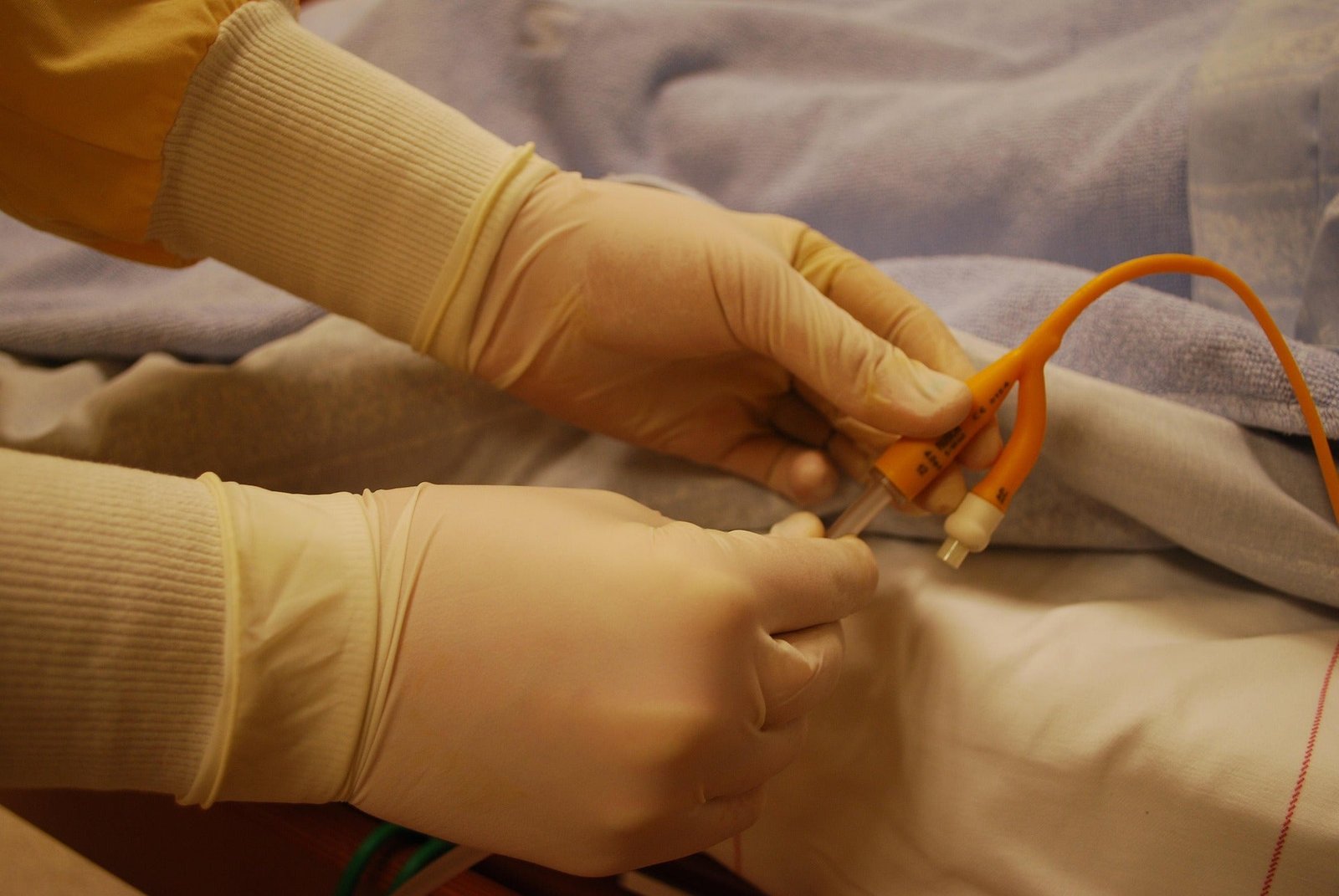
Living with a urinary catheter can require adjustments to everyday activities, but with proper care and a few practical strategies, patients can maintain comfort, confidence, and independence at home. Maintaining good hygiene, managing drainage equipment, and following medical advice are essential for preventing complications and supporting overall wellbeing. Catheter Care at Home Dubai helps patients and families access professional healthcare assistance while receiving care in familiar surroundings. With guidance from trained nurses and services such as Doctor at Home, individuals can learn how to manage their catheters safely and make daily activities more comfortable. Whether a catheter is needed after surgery, because of urinary retention, or due to a long-term medical condition, the right approach can make a meaningful difference in everyday life.
Understanding Life With a Urinary Catheter:
A urinary catheter is a thin, flexible tube that drains urine from the bladder when a person cannot empty it naturally. Some patients require temporary catheterization after surgery, while others may need long-term support because of neurological conditions, urinary retention, or mobility difficulties. Although using a catheter may initially feel unfamiliar, understanding how it works can help patients adjust more easily. There are different catheter types, including indwelling, intermittent, and suprapubic catheters, and each has specific care requirements. Following professional instructions and learning the correct way to manage the equipment can help patients maintain their routines without unnecessary discomfort.
Maintain Proper Hygiene for Better Comfort:
Good hygiene is one of the most important aspects of comfortable catheter use. Patients and caregivers should wash their hands thoroughly with soap and water before and after handling catheter equipment to reduce the risk of bacterial contamination. The genital area and catheter entry site should be gently cleaned daily with mild soap and water, following healthcare professional instructions. The surrounding skin should be rinsed and dried carefully without pulling the catheter. Avoid using perfumed products, harsh chemicals, or unapproved antiseptics because they may cause irritation. Wearing clean underwear and changing clothes regularly can also help patients feel fresh and comfortable throughout the day.
Important hygiene habits include:
-
Wash hands before and after handling catheter equipment.
-
Clean the catheter entry area gently every day.
-
Keep the surrounding skin clean and dry.
-
Avoid unnecessary touching or disconnecting of the drainage system.
-
Use clean towels and appropriate hygiene supplies.
-
Follow professional instructions for catheter maintenance.
Choose Comfortable Clothing and Manage the Drainage Bag:
Clothing choices can make a significant difference in everyday comfort for people using urinary catheters. Loose-fitting trousers, breathable fabrics, and comfortable underwear can help prevent unnecessary pressure on the catheter and tubing. Patients should avoid tight waistbands or garments that compress the drainage system. The collection bag should be secured appropriately to prevent movement and accidental pulling. It must remain below bladder level to support proper urine drainage and should never touch the floor. When walking or sitting, patients should check that the tubing is not twisted, trapped, or stretched. These simple adjustments can make everyday movement easier and reduce discomfort.
Stay Active and Move Safely With a Catheter:
Having a urinary catheter does not necessarily mean giving up normal movement or all physical activities. Many patients can continue walking, performing light household tasks, and participating in suitable daily activities, depending on their medical condition. Gentle movement can support circulation, mobility, and general wellbeing. However, patients should avoid activities that pull on the catheter or place excessive pressure on the insertion area. The drainage bag should be secured properly before walking, and sufficient tubing slack should be maintained to prevent accidental tension. Individuals recovering from surgery or experiencing limited mobility should consult their healthcare professional before starting an exercise routine.
Practical movement tips include:
-
Take short walks when medically appropriate.
-
Secure the drainage bag before moving.
-
Avoid sudden movements that may pull the catheter.
-
Keep tubing away from furniture and walking paths.
-
Ask for assistance when changing positions if needed.
-
Follow medical advice before resuming strenuous activities.
Maintain Proper Hydration and Healthy Eating Habits:
Appropriate hydration supports normal urine production and can help prevent concentrated urine. Patients should drink water according to their healthcare provider's recommendations, particularly if they have kidney disease, heart conditions, or prescribed fluid restrictions. A balanced diet containing fruits, vegetables, whole grains, and sufficient protein supports general health and recovery. Fibre-rich foods can also help prevent constipation, which may contribute to abdominal discomfort for some catheter users. Caregivers should remember that individual nutritional needs differ, so dietary changes should be discussed with a healthcare professional when the patient has additional medical conditions.
Make Sleeping More Comfortable With a Urinary Catheter:
A comfortable sleeping arrangement can improve rest for patients who use urinary catheters. Before bedtime, caregivers should check that the drainage bag is positioned securely below bladder level and that the tubing has enough slack to allow comfortable movement. The bag should be placed safely to prevent accidental pulling, and the tubing should not become trapped beneath the patient's body. Patients may benefit from comfortable bedding and a sleeping position that avoids unnecessary pressure on the catheter entry site. The collection bag should be emptied according to its capacity and professional instructions. Establishing a simple nighttime routine can reduce interruptions and help patients feel more relaxed.
Protect Skin Health and Prevent Irritation:
Continuous catheter use may sometimes cause irritation around the insertion site, especially when the tubing moves excessively or the surrounding skin remains damp. Patients and caregivers should regularly check the area for redness, swelling, soreness, or unusual discharge. Gentle cleaning and proper drying can help maintain skin health. A suitable catheter securement device, recommended by a healthcare professional, can reduce unnecessary movement and pulling. Patients should also wear breathable clothing and avoid applying powders, lotions, or creams around the insertion site unless specifically advised. Persistent irritation or discomfort should be reported to a healthcare professional for assessment.
Recognize Warning Signs and Prevent Catheter Complications:
Although proper catheter maintenance can reduce complications, patients should understand which symptoms require medical attention. Urinary tract infections, blockages, leakage, and accidental displacement are potential concerns. Caregivers should monitor urine drainage and observe changes in the patient's general condition. Cloudy or strong-smelling urine alone does not always indicate infection, but changes accompanied by fever, chills, pain, or other symptoms require medical assessment. If urine stops draining, caregivers can check for obvious external kinks but should not attempt to flush or reposition the catheter without appropriate training.
Important warning signs include:
-
Fever or chills.
-
Persistent lower abdominal or back pain.
-
Blood in the urine, particularly if significant.
-
Redness or swelling around the catheter entry site.
-
Unusual leakage around the catheter.
-
Little or no urine entering the drainage bag.
-
New or worsening confusion, especially in older adults.
Severe pain, fever with chills, or sudden inability to drain urine requires urgent medical assessment.
Maintain Confidence and Emotional Wellbeing:
Adjusting to life with a urinary catheter can sometimes affect a patient's confidence, independence, and emotional wellbeing. Some individuals may feel embarrassed about using drainage equipment or worry about managing it in front of others. Family members can provide valuable support by encouraging open communication and respecting the patient's privacy and dignity. Patients should understand that catheterization is a medical treatment and does not prevent them from enjoying meaningful activities or maintaining social connections. Learning practical management techniques and discussing concerns with healthcare professionals can help reduce anxiety and improve confidence over time.
How Professional Home Nursing Support Improves Daily Life:
Professional nursing support can make catheter management easier for patients who require regular assistance. Trained nurses can help with personal hygiene, catheter site monitoring, drainage bag management, and patient education. They can also guide family caregivers on safe equipment handling and explain when medical attention is necessary. Choosing Catheter Care at Home Dubai allows patients to receive appropriate assistance without leaving their familiar surroundings. This support can be particularly valuable for elderly individuals, bedridden patients, and people recovering from surgery who may find independent catheter management challenging.
Final Thoughts
Living comfortably with a urinary catheter is possible when patients understand their equipment, maintain proper hygiene, and follow a consistent care routine. Simple practices such as choosing comfortable clothing, securing the drainage bag, staying appropriately hydrated, and maintaining safe movement can make everyday life easier. Regular monitoring and timely medical attention are equally important for preventing complications.
With professional Catheter Care at Home Dubai, patients and families can receive personalized guidance and practical assistance suited to their healthcare needs. Trained nurses can help maintain safe catheter practices, support patient independence, and make daily care more manageable. By combining responsible home care with professional medical supervision, individuals can maintain greater comfort, confidence, and quality of life while living with a urinary catheter.

 English
 Arabic
 French
 Spanish
 Portuguese
 Deutsch
 Turkish
 Dutch
 Russian
 Romaian
 Portuguese (Brazil)
 Greek