
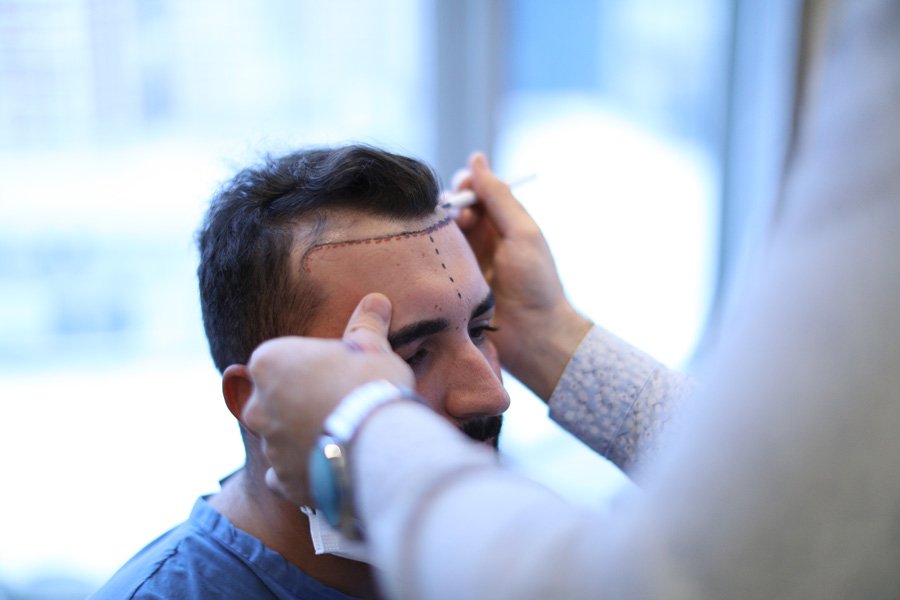
Hair loss can affect confidence, appearance, and personal well-being. Whether someone experiences a receding hairline, thinning hair, or significant baldness, choosing the right hair restoration clinic is an important decision. With several clinics offering hair transplant in Islamabad, patients should look beyond promotional offers and focus on medical expertise, treatment quality, safety standards, and patient care.
A reputable hair transplant clinic does more than perform a surgical procedure. It evaluates individual hair loss patterns, examines donor hair availability, recommends suitable techniques, and develops a treatment plan according to the patient's needs. Understanding these factors can help individuals make informed decisions and achieve more natural-looking results.
Experienced and Qualified Hair Transplant Surgeons
One of the most important factors that makes a hair transplant clinic stand out is the experience and qualifications of its medical professionals. Hair transplantation requires medical knowledge, surgical precision, and an understanding of natural hair growth patterns.
An experienced surgeon evaluates the patient's scalp, hair density, donor area, and pattern of hair loss before recommending surgery.
Before selecting a clinic, patients should consider:
-
The surgeon's medical qualifications and relevant surgical training.
-
Experience in performing FUE, FUT, or DHI procedures.
-
Knowledge of hairline design and follicular placement.
-
Ability to evaluate donor hair limitations.
-
Transparency about potential risks and realistic outcomes.
Patients should also ask who will perform the critical stages of the procedure. A qualified surgeon should remain appropriately involved in surgical planning and execution rather than leaving important medical decisions entirely to unqualified personnel.
Advanced Hair Transplant Techniques
Modern hair restoration offers different techniques to address individual hair loss concerns. A clinic that understands these approaches can recommend a suitable procedure instead of promoting the same treatment to every patient.
Common hair transplant techniques include:
FUE (Follicular Unit Extraction): Individual hair follicles are extracted from the donor area and implanted into thinning or bald regions. This technique generally avoids a long linear donor scar.
FUT (Follicular Unit Transplantation): A strip of scalp containing hair follicles is removed from the donor area, and individual grafts are prepared for transplantation.
DHI (Direct Hair Implantation): A specialized implantation approach that uses an implanter device to place prepared follicles into the recipient area.
Each technique has different considerations regarding donor characteristics, recovery, scarring, and treatment planning. The best option depends on the patient's hair loss pattern, medical condition, and expectations.
Personalized Hair Loss Assessment and Treatment Planning
Every individual experiences hair loss differently. Age, genetics, hormonal factors, medical conditions, and lifestyle can influence hair density and the progression of baldness.
A professional hair transplant clinic begins with a detailed consultation rather than immediately recommending a specific graft count.
A proper assessment may include:
-
Examining the scalp and identifying the hair loss pattern.
-
Evaluating donor area density and follicular health.
-
Discussing previous hair loss treatments.
-
Reviewing relevant medical history.
-
Understanding the patient's desired hairline and coverage.
-
Estimating the number of grafts required.
Personalized planning is particularly important for younger patients because hair loss may continue after transplantation. A responsible surgeon considers future hair loss when designing the hairline and managing the available donor supply.
Natural Hairline Design and Graft Placement
A natural-looking result depends on more than the number of transplanted grafts. Hair direction, angle, distribution, and hairline design all contribute to the final appearance.
An experienced hair restoration specialist considers facial proportions, age, existing hair density, and natural growth patterns when planning the recipient area.
Important aspects include:
-
Creating a hairline that complements facial features.
-
Maintaining appropriate graft distribution.
-
Considering the direction and angle of natural hair growth.
-
Avoiding excessive extraction from the donor area.
-
Preserving donor hair for possible future treatment.
Patients should request genuine before-and-after photographs of previous cases. Ideally, these should demonstrate mature results under consistent lighting and from different angles.
Hygiene, Patient Safety, and Clinical Standards
Safety should always be a priority when choosing a hair transplant clinic. Since hair transplantation is a surgical procedure, appropriate hygiene, sterilization, medical supervision, and emergency preparedness are essential.
A professional facility should maintain suitable clinical standards and use properly sterilized instruments.
Patients can ask about:
-
Sterilization and infection prevention procedures.
-
Medical supervision during surgery.
-
Equipment and surgical facilities.
-
Management of potential complications.
-
Preoperative and postoperative instructions.
A trustworthy clinic should explain possible side effects, including swelling, temporary shedding, infection, and other surgical risks. Honest communication helps patients understand the procedure before making a commitment.
Comprehensive Aftercare and Patient Support
Hair restoration does not end when the surgical procedure is completed. Proper aftercare plays an important role in recovery and helps patients understand what to expect during different stages of hair growth.
A reliable clinic provides clear postoperative instructions and follow-up support.
Aftercare guidance generally covers:
-
Washing the scalp according to medical instructions.
-
Avoiding unnecessary pressure or scratching around grafts.
-
Following activity and exercise restrictions.
-
Attending scheduled follow-up appointments.
-
Reporting unusual symptoms to the medical team.
-
Following prescribed medications when appropriate.
Patients should also understand that transplanted hair does not grow immediately. Initial shedding can occur, while visible growth and maturation generally take several months. Full results may take around 12 months or longer, depending on individual circumstances.
Transparent Pricing and Honest Treatment Advice
Treatment costs are another consideration when comparing hair transplant clinics in Islamabad. However, choosing a clinic based entirely on the lowest price may not be a sensible approach.
Pricing can depend on several factors, including the number of grafts, surgical technique, surgeon's experience, clinical facilities, and level of postoperative care.
A transparent clinic should explain:
-
The estimated graft requirement.
-
The recommended surgical technique.
-
What is included in the treatment package.
-
Additional consultation or medication costs.
-
Possible limitations and expected outcomes.
Patients should be cautious about guaranteed results, unrealistic graft promises, and pressure to book immediately. A professional clinic prioritizes appropriate treatment recommendations over aggressive sales tactics.
Why Consider SKN Cosmetics in Islamabad for Hair Restoration?
When exploring hair restoration options, patients should consider clinics that emphasize professional consultation, individual treatment planning, and patient education. SKN Cosmetics in Islamabad is an option patients can explore when researching hair transplant services. Before making a decision, prospective patients should discuss their hair loss concerns, available techniques, surgeon involvement, donor area assessment, and expected recovery with the clinic's medical team.
A detailed consultation can help individuals understand whether FUE, FUT, DHI, or another hair restoration approach is suitable for their circumstances. Patients should also review relevant qualifications, ask about previous treatment outcomes, and understand the clinic's aftercare arrangements. These discussions allow individuals to compare their options and make decisions based on medical suitability rather than promotional claims.
How to Choose the Right Hair Transplant Clinic in Islamabad
Selecting a clinic requires careful research and direct communication with its medical team. Rather than relying only on online advertisements or social media reviews, patients should evaluate the complete treatment experience.
Consider the following checklist before booking a consultation:
-
Verify the surgeon's medical registration and relevant qualifications.
-
Review genuine before-and-after patient photographs.
-
Ask who will perform each stage of the surgery.
-
Compare the recommended techniques and their suitability.
-
Understand the estimated graft requirement.
-
Discuss possible complications and recovery expectations.
-
Confirm the availability of postoperative support.
A clinic that provides clear answers and realistic treatment recommendations can make the decision-making process more comfortable.
Ultimately, the right hair transplant clinic is one that combines medical expertise, responsible surgical planning, suitable technology, and consistent patient support. Individuals researching hair transplant clinics in Islamabad should prioritize safety, natural-looking outcomes, and long-term donor management when comparing available options.
Frequently Asked Questions
Q1: What makes a hair transplant clinic stand out?
A: Qualified surgeons, personalized planning, safety standards, and proper aftercare.
Q2: Which hair transplant technique is best?
A: FUE, FUT, and DHI suitability depends on individual hair loss and donor characteristics.
Q3: How long does a hair transplant take to show results?
A: Visible growth usually develops over several months, with mature results taking around 12 months or longer.
Q4: Is surgeon experience important for hair transplantation?
A: Yes. Surgical expertise influences planning, graft handling, and natural-looking results.
Q5: What should I ask before choosing a hair transplant clinic?
A: Ask about surgeon qualifications, graft requirements, surgical techniques, safety, pricing, and aftercare.

 English
 French
 Spanish
 Portuguese
 Deutsch
 Turkish
 Dutch
 Italiano
 Russian
 Romaian
 Portuguese (Brazil)
 Greek