
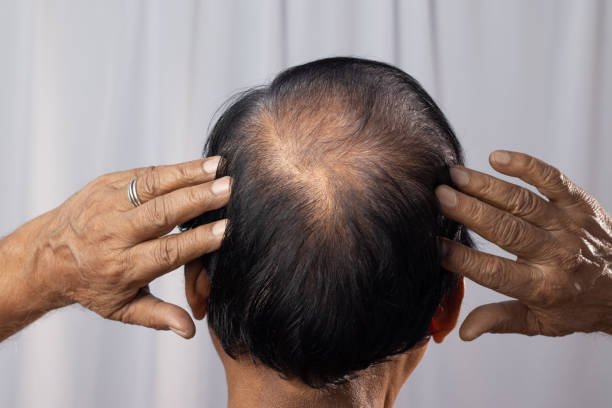
Hair growth is influenced by several factors, including genetics, hormonal changes, nutritional balance, lifestyle habits, and scalp health. When hair starts becoming thinner or shedding more frequently, it can affect confidence and make everyday grooming challenging. Understanding the reasons behind these changes is the first step toward choosing an effective solution. Modern Hair loss treatment in Riyadh focuses on identifying the underlying causes of hair thinning and developing personalized approaches that support healthier hair growth and improve overall scalp condition.
Hair restoration is no longer limited to traditional approaches because advancements in aesthetic medicine have introduced several techniques designed to address different patterns of hair loss. Depending on individual needs, Hair loss treatment in Riyadh may involve specialized scalp therapies, medical guidance, or advanced restoration procedures. Selecting an appropriate approach requires an understanding of hair follicle activity, the condition of the scalp, and the factors contributing to excessive shedding.
Understanding the Common Causes of Hair Loss
Hair loss can develop gradually or appear suddenly, depending on its underlying cause. Genetic predisposition is one of the most common contributors, particularly when hair follicles become sensitive to hormonal changes. Other factors include prolonged stress, nutritional deficiencies, certain medications, medical conditions, and changes associated with aging. Identifying these influences helps specialists determine which restoration methods may be suitable.
Recognizing Early Signs of Hair Thinning
Recognizing early changes in hair density can help individuals seek professional guidance before thinning becomes more noticeable. A widening part, a receding hairline, reduced volume around the crown, and excessive hair shedding during washing or brushing may indicate developing hair loss. Some people also notice that their hair strands become finer and weaker over time. Paying attention to these signs allows individuals to explore suitable solutions based on their specific concerns.
Modern Approaches to Hair Restoration
Advancements in aesthetic treatments have expanded the options available for people experiencing hair thinning. Modern restoration approaches aim to improve scalp health, support existing follicles, and address areas affected by reduced hair density. The most appropriate technique depends on the severity of hair loss, the condition of the follicles, and individual expectations.
Platelet-Rich Plasma Therapy
Platelet-rich plasma, commonly known as PRP, uses a concentrated portion of a person's own blood that contains platelets and growth factors. After processing, the preparation is administered into selected areas of the scalp. This approach is intended to support the natural hair growth environment and may help improve hair thickness in suitable candidates. Multiple sessions may be recommended depending on the individual's response and treatment plan.
Mesotherapy for Scalp Support
Hair mesotherapy involves administering selected formulations into the scalp to address specific concerns related to hair and scalp health. Depending on the formulation, these preparations may contain vitamins, minerals, amino acids, or other ingredients. The treatment aims to support the scalp environment, although results vary and scientific evidence for different mesotherapy formulations remains limited.
Hair Transplantation for Advanced Hair Loss
For individuals experiencing significant hair loss, hair transplantation may be considered. This surgical procedure involves relocating hair follicles from a donor area to regions where hair density has decreased. Techniques such as follicular unit extraction allow individual follicular units to be transferred with careful attention to hairline design and natural growth direction. A specialist assessment is necessary to determine donor hair suitability and realistic outcomes.
The Importance of Professional Hair and Scalp Assessment
A professional evaluation is essential before beginning any restoration program. Specialists may examine the scalp, review medical and family history, assess hair density, and investigate possible triggers of excessive shedding. Blood tests may also be recommended when nutritional deficiencies or hormonal concerns are suspected. This process helps distinguish between temporary shedding and conditions that may require ongoing management.
Lifestyle Habits That Support Healthy Hair
Daily habits can influence the condition of hair and scalp. A balanced diet containing adequate protein, iron, zinc, and essential vitamins supports normal hair growth. Gentle hair handling, avoiding excessive heat styling, and limiting harsh chemical treatments can help reduce breakage. Managing stress and maintaining consistent sleep habits may also contribute to overall well-being. However, lifestyle improvements cannot independently reverse every type of hair loss.
What to Expect During Hair Restoration
Hair restoration is generally a gradual process rather than an immediate transformation. Depending on the selected procedure, individuals may experience temporary redness, tenderness, or mild swelling. Following aftercare instructions and attending recommended follow-up appointments can help support recovery. Hair growth cycles take time, so visible improvements may require several months. Results differ according to the treatment, underlying condition, and individual response.
Choosing the Right Hair Restoration Plan
The best restoration plan should reflect the individual's hair loss pattern, scalp condition, medical background, and personal goals. Some individuals may benefit from non-surgical therapies, while others may require medical management or surgical restoration. Understanding the expected benefits, limitations, and possible side effects of each option helps people make informed decisions. Consistent monitoring is also important because hair loss can change over time.
Book Your Hair Consultation at Royal Clinic Saudi
If thinning hair or excessive shedding is affecting your confidence, professional guidance can help you understand the available options. Royal Clinic Saudi provides consultations to assess individual hair concerns and discuss suitable restoration approaches. Book an appointment to receive personalized guidance and explore treatments designed around your hair health goals.
FAQs:
1. What is the best approach for treating hair loss?
The best treatment depends on the cause and severity of hair loss.
2. Can hair loss treatments improve hair thickness?
Certain treatments may help improve hair thickness.
3. How long does hair restoration take to show results?
Visible results may take several months.
4. Can hair loss be prevented through lifestyle changes?
Healthy nutrition and proper hair care can support hair health.

 English
 French
 Spanish
 Portuguese
 Deutsch
 Turkish
 Dutch
 Italiano
 Russian
 Romaian
 Portuguese (Brazil)
 Greek