
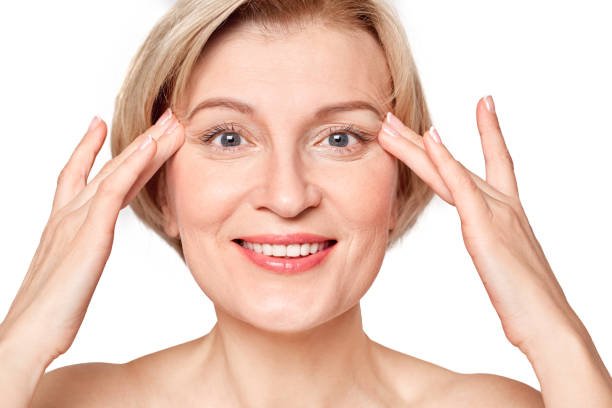
Almost everyone wakes up with puffy eyes occasionally—after a late night, a salty meal, or a crying spell. But when does under-eye puffiness cross the line from temporary nuisance to something that warrants professional treatment? Eye Bag Removal in Riyadh The answer isn't about how bags look on any given morning; it's about persistence, cause, and impact. Understanding the difference helps you decide whether to try self-care, wait, or seek professional assessment. This guide explains how to evaluate your puffiness and determine whether treatment is worth considering.
Rule One: Distinguish Temporary From Persistent
Temporary puffiness comes and goes—it's worse after poor sleep, salty food, alcohol, or allergies, and it improves within hours or a day. Persistent puffiness is present most days, regardless of lifestyle factors, and doesn't fully resolve with rest or home remedies. If your bags are consistently visible in photos, mirrors, and daily life—not just on occasional mornings—they're likely persistent. Persistent puffiness usually has a structural cause that self-care can't fix.
Rule Two: Identify the Cause
Puffiness has several causes, and identifying yours determines whether treatment is appropriate. Fluid retention responds to lifestyle changes; fat bulging requires structural treatment; skin laxity may need tightening; tear trough hollowing may benefit from fillers; pigmentation requires different approaches. If lifestyle adjustments don't resolve your puffiness after several weeks, the cause is likely structural—and treatment may be worth considering.
Rule Three: Consider the Impact
Does your puffiness affect your confidence, professional appearance, or how you feel about yourself? Do you avoid photos, feel self-conscious in meetings, or frequently hear "you look tired"? If puffiness affects your quality of life, treatment may be worth considering—not because vanity demands it, but because feeling good about your appearance matters. Impact is a valid reason to seek treatment.
Rule Four: Try Self-Care First
Before pursuing professional treatment, try evidence-based self-care for several weeks: prioritize sleep (seven to nine hours), reduce salt and alcohol, stay hydrated, manage allergies, use cold compresses, elevate your head while sleeping, and use sunscreen daily. If puffiness improves significantly, self-care may be sufficient. If it persists despite your best efforts, professional assessment is the next step.
Rule Five: Recognize Structural Signs
Some signs suggest structural causes requiring professional treatment: bags that are present every day regardless of sleep; puffiness that feels firm rather than fluid; bags that have been present for years; asymmetry; a family history of eye bags; and puffiness that worsens over time rather than fluctuating. These signs suggest that self-care alone won't resolve the concern—and that assessment is warranted.
Rule Six: Rule Out Medical Causes
Occasionally, under-eye puffiness can signal medical issues—thyroid conditions, kidney problems, allergies, or fluid retention related to other conditions. If puffiness is sudden, accompanied by other symptoms (fatigue, weight changes, swelling elsewhere), or persistent despite good habits, consult a healthcare provider to rule out underlying conditions. This is especially important if puffiness is new or worsening rapidly.
Rule Seven: Consider Your Age and Genetics
Age and genetics influence whether puffiness warrants treatment. If you have a family history of prominent eye bags and they've appeared in your twenties or thirties, genetics is likely the cause—and treatment may be appropriate earlier than for lifestyle-related bags. Age-related changes—skin laxity, fat redistribution—typically worsen over time; treating earlier may produce better results than waiting.
When Treatment Is Worth Considering
Treatment is worth considering when puffiness is persistent, structural, and affects your quality of life—and when self-care hasn't resolved it. The type of treatment depends on the cause: lifestyle changes for fluid retention, non-surgical options for mild concerns, surgery for structural fat bulging. A professional assessment determines which category you fall into and which approach suits your anatomy.
Questions to Ask During Consultation
Ask: What's causing my puffiness? Is it structural or lifestyle-related? Which treatment suits my anatomy? What results are realistic? What are the risks? A provider who answers specifically—referencing your eyes—helps you decide whether treatment is worthwhile.
When to Seek Professional Guidance
If you're unsure whether your puffiness warrants treatment, professional assessment can help. A consultation can evaluate your anatomy and recommend appropriate options. For personalized guidance on eye bag removal, a consultation with qualified professionals offers clarity and direction.
Final Thoughts: Informed Decisions About Puffiness
Not all puffiness needs treatment—but persistent, structural puffiness that affects your quality of life may warrant professional assessment. Distinguish temporary from persistent, identify the cause, consider the impact, try self-care first, recognize structural signs, rule out medical causes, and consider age and genetics. When treatment is appropriate, personalized assessment ensures the right approach. Your eyes deserve informed decisions—not guesswork.
Book an Appointment Consultation Clinic
For those seeking expert guidance and customized aesthetic care, you can book an appointment consultation at the Enfield Royal Riyadh.
FAQs
When should I consider treatment for eye bags?
When puffiness is persistent, structural, affects quality of life, and doesn't resolve with self-care.
How do I know if my eye bags are structural?
Persistent daily bags, firm texture, family history, and lack of response to lifestyle changes suggest structural causes.
Can self-care resolve eye bags?
It can reduce fluid-related puffiness—but structural fat bulging requires professional treatment.
When should I see a doctor about under-eye puffiness?
If puffiness is sudden, accompanied by other symptoms, or persistent despite good habits—rule out medical causes.
What treatment is right for my puffiness?
It depends on the cause—lifestyle changes, non-surgical options, or surgery, determined by professional assessment.

 English
 French
 Spanish
 Portuguese
 Deutsch
 Turkish
 Dutch
 Italiano
 Russian
 Romaian
 Portuguese (Brazil)
 Greek