
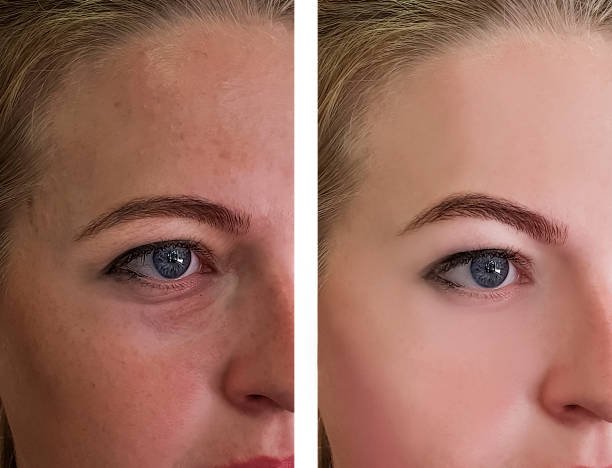
Eye bags are a common cosmetic concern that can make the face appear tired, older, or less refreshed, even when someone gets enough sleep. They often develop due to ageing, genetics, changes in skin elasticity, and the natural movement of fat beneath the eyes. Although eye bags are usually harmless, many people consider cosmetic treatment to achieve a smoother and more youthful appearance. Understanding the factors that influence treatment decisions can help patients make informed choices before undergoing a procedure.
When researching EYE BAG Removal in Riyadh, it is important to understand that treatment planning depends on several individual factors. The condition of the under-eye area, the amount of excess skin, the prominence of fat deposits, and the selected treatment approach can all influence the overall treatment requirements. Learning about these considerations allows patients to understand why professional assessment is an essential first step.
Understanding Eye Bag Removal Treatment
Eye bag removal is a cosmetic procedure designed to improve the appearance of puffiness, excess skin, and prominent fat beneath the eyes. Depending on the patient's condition, treatment may involve surgical or non-surgical approaches.
Surgical lower eyelid treatment, commonly known as lower blepharoplasty, focuses on addressing excess fat and loose skin. Non-surgical options may help improve mild concerns involving skin quality, texture, or fine lines. The appropriate approach depends on the underlying cause of the eye bags and the patient's aesthetic goals.
Major Factors That Affect Eye Bag Removal Treatment
Several important considerations influence the type and complexity of eye bag removal treatment. Understanding them can help patients know what to expect during their consultation.
Severity of Eye Bags
The severity of under-eye bags is one of the main factors considered during treatment planning. Some individuals experience mild puffiness, while others have more noticeable fat deposits and loose skin. Mild concerns may require less extensive treatment, whereas more prominent eye bags may need a comprehensive approach.
Type of Treatment Required
The selected treatment method plays an important role in determining the overall treatment plan. Surgical procedures are generally considered when excess fat or loose skin is more noticeable. Non-surgical treatments may be suitable for selected patients with mild under-eye concerns.
A professional assessment helps determine which approach is appropriate based on the patient's anatomy, skin condition, and desired results.
Skin Elasticity and Age
Skin naturally loses collagen and elasticity as people grow older. This can contribute to wrinkles, sagging, and puffiness around the eyes. Patients with significant skin laxity may require a different treatment approach from those who have good skin elasticity.
Age alone does not determine treatment suitability. Overall skin health and individual facial anatomy are equally important considerations.
Fat Deposits Beneath the Eyes
Prominent fat pockets can create a swollen or puffy appearance beneath the lower eyelids. Their size, position, and distribution influence the treatment technique. In some cases, fat may be repositioned to create a smoother transition between the lower eyelid and cheek area.
Individual Facial Anatomy
Every person's facial structure is different. The shape of the lower eyelids, cheek volume, skin thickness, and natural facial proportions can influence treatment planning. A personalised approach helps maintain facial balance while addressing under-eye concerns.
Surgical and Non-Surgical Eye Bag Removal Options
Surgical Eye Bag Removal
Lower blepharoplasty is a surgical procedure used to address prominent fat deposits and excess lower eyelid skin. Depending on the patient's needs, the procedure may involve removing or repositioning fat and tightening loose skin.
The technique is selected according to the patient's anatomy and desired outcome. Recovery time varies, and temporary swelling or bruising may occur.
Non-Surgical Eye Bag Treatments
Non-surgical options may be considered for patients experiencing mild under-eye concerns. Depending on the underlying issue, treatments may focus on improving skin texture, hydration, or overall appearance.
However, these options cannot always correct prominent fat deposits or significant loose skin. A qualified professional can explain their limitations and suitability.
Why Is a Professional Consultation Important?
A professional consultation is essential before choosing any eye bag removal procedure. During the assessment, the practitioner evaluates the lower eyelids, skin elasticity, fat distribution, medical history, and aesthetic expectations.
This assessment helps identify the underlying cause of under-eye puffiness and determine whether surgical or non-surgical treatment is more appropriate. Patients can also discuss potential risks, recovery expectations, aftercare instructions, and realistic outcomes.
Choosing a qualified and experienced medical provider is important for maintaining safety and achieving results that complement natural facial features.
Frequently Asked Questions
1. What is the main purpose of eye bag removal?
Eye bag removal aims to reduce under-eye puffiness, address prominent fat deposits, and improve the appearance of loose skin. The goal is to create a smoother and more refreshed under-eye appearance.
2. Is eye bag removal suitable for younger individuals?
Yes, some younger individuals may develop eye bags due to genetics or naturally prominent fat deposits. Suitability depends on individual anatomy and an appropriate professional assessment.
3. How long does recovery from eye bag removal take?
Recovery varies depending on the treatment method and individual healing process. Surgical procedures generally involve more downtime than non-surgical treatments. Following aftercare instructions can support proper healing.
4. Can eye bags return after treatment?
Treatment can provide long-lasting improvement, particularly when underlying fat deposits are addressed. However, natural ageing, skin changes, and genetics may influence the under-eye area over time.
5. How can I determine which eye bag removal treatment is right for me?
The best way is to schedule a professional consultation. An assessment of your skin condition, facial anatomy, and treatment expectations can help identify the most suitable option.
Book Your Eye Bag Removal Consultation at Enfield Royal Clinic
If under-eye puffiness or loose skin is affecting your confidence, professional guidance can help you explore suitable treatment options. Enfield Royal Clinic offers personalised aesthetic consultations to help patients understand their concerns and make informed treatment decisions. Schedule a consultation to discuss your goals and discover an approach that supports a refreshed, natural-looking appearance.

 English
 French
 Spanish
 Portuguese
 Deutsch
 Turkish
 Dutch
 Italiano
 Russian
 Romaian
 Portuguese (Brazil)
 Greek