
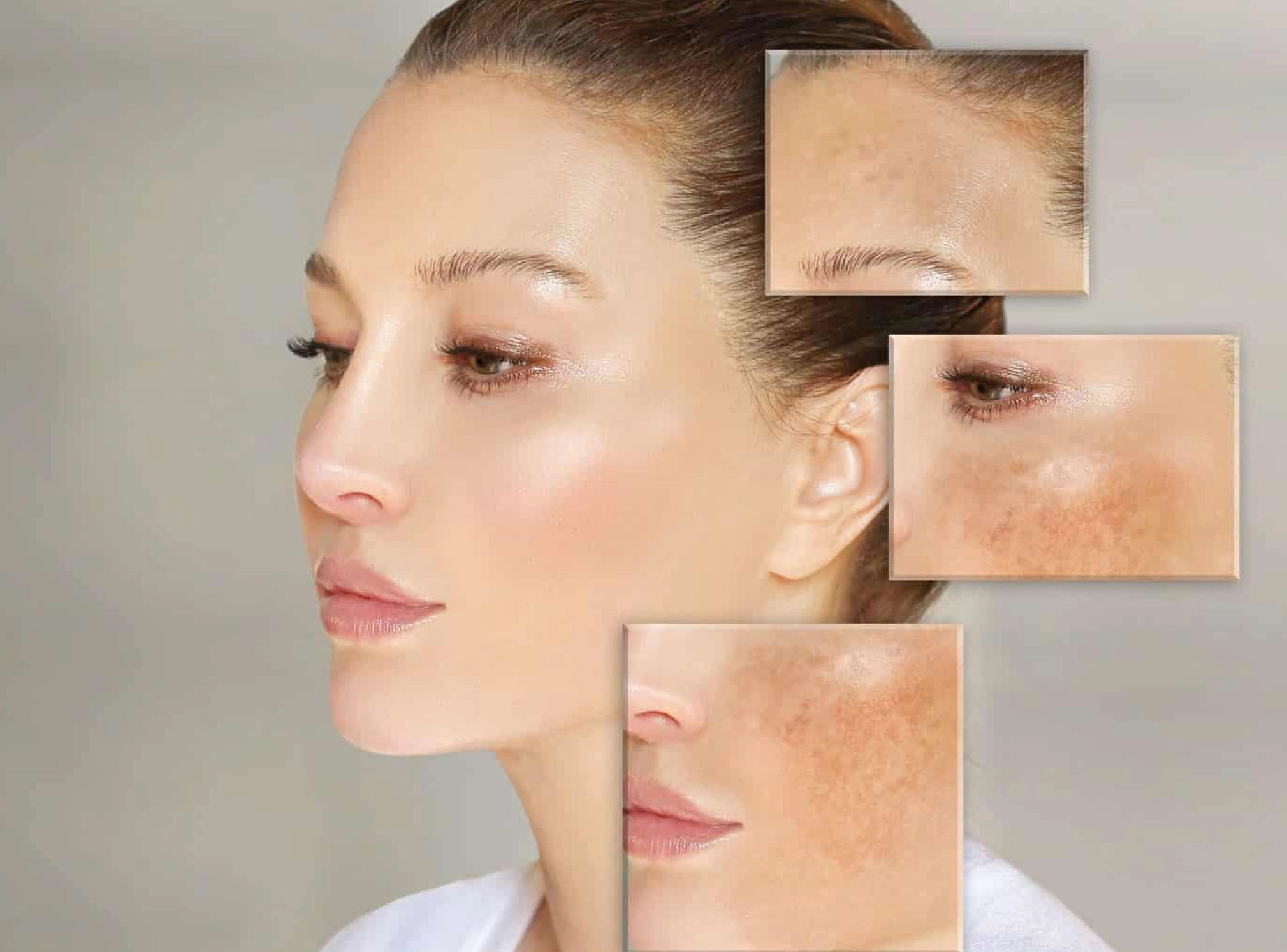
Melasma is a complex pigmentation disorder that varies greatly from person to person, affecting areas such as the cheeks, forehead, upper lip, and chin with uneven brown or gray patches. Because it is influenced by multiple internal and external triggers like hormones, sun exposure, genetics, and inflammation, no single treatment works equally well for everyone. This is why dermatologists increasingly emphasize customized care plans rather than standardized solutions. Modern approaches, including Laser Melasma Treatment, are often incorporated into tailored protocols that consider skin type, pigmentation depth, and lifestyle factors. Personalized treatment ensures that each patient receives the most effective and safest combination of therapies for long-term improvement.
Understanding the Individual Nature of Melasma:
Melasma is not a uniform condition, which is why identical treatments can produce different outcomes in different individuals. Some patients have superficial pigmentation limited to the upper skin layers, while others have deeper dermal involvement that is more resistant to treatment. Hormonal factors, skin sensitivity, and environmental exposure further influence how the condition behaves. Because of this variability, dermatologists classify melasma into different types before deciding on a treatment strategy. Key individual differences include:
- Depth of pigmentation (epidermal vs dermal vs mixed)
- Skin tone and melanin activity
- Hormonal influence patterns
- Sensitivity to inflammation or heat
- Lifestyle and sun exposure habits
Role of Detailed Skin Assessment in Personalization:
A thorough skin assessment is the foundation of personalized melasma treatment. Dermatologists evaluate pigmentation patterns using visual examination and advanced imaging tools that reveal hidden pigmentation beneath the surface. This helps determine the most appropriate combination of treatments for each patient. A personalized evaluation also considers medical history, skincare habits, and previous treatment responses. Without this step, treatments may be ineffective or even worsen pigmentation due to inappropriate selection of procedures or active ingredients.
Customized Topical Treatment Plans:
Topical medications remain a core part of melasma management, but personalization significantly improves their effectiveness. Dermatologists tailor formulations based on skin sensitivity and pigmentation severity. Common ingredients include hydroquinone, azelaic acid, tretinoin, kojic acid, and niacinamide, often used in carefully balanced combinations. Instead of applying a standard routine, personalized plans adjust dosage strength and usage cycles to prevent irritation and resistance. A customized topical plan may include:
- Gradual introduction of active ingredients
- Rotational use of depigmenting agents
- Barrier-supporting moisturizers
- Adjusted frequency based on skin response
- Continuous monitoring for side effects
Personalized Chemical Peel Strategies:
Chemical peels are not one-size-fits-all, especially for melasma patients with different skin types and pigmentation levels. Dermatologists choose peel strength and ingredients based on how the skin reacts to exfoliation and inflammation. For example, sensitive skin may require mild mandelic or lactic acid peels, while more resilient skin may tolerate glycolic acid treatments. Personalized scheduling ensures that skin is not over-exfoliated, which could worsen pigmentation. Benefits of customized peel strategies include:
- Controlled and gradual pigment reduction
- Lower risk of irritation
- Improved skin texture over time
- Reduced chances of post-inflammatory hyperpigmentation
- Enhanced compatibility with other treatments
Tailored Microneedling and Regenerative Therapies:
Microneedling becomes more effective when customized according to skin condition and treatment goals. Dermatologists adjust needle depth, session frequency, and serum combinations based on pigmentation severity and skin sensitivity. Some patients benefit from tranexamic acid infusions, while others respond better to vitamin C or peptide-based serums. Personalized microneedling also helps strengthen the skin barrier, which is essential for preventing recurrence. This approach ensures balanced stimulation without excessive trauma to the skin.
Precision in Laser-Based Treatments:
Laser therapy is one of the most advanced options for melasma, but it requires precise customization to be both safe and effective. Dermatologists carefully adjust laser type, intensity, and session intervals based on skin tone and pigmentation depth. Improper settings can lead to worsening pigmentation, especially in darker skin tones, making personalization critical. In many treatment plans, Laser Melasma Treatment is combined with topical therapy and sun protection for enhanced results. Personalized laser care often includes:
- Low-fluence settings tailored to skin type
- Gradual treatment progression
- Test patches before full sessions
- Spaced intervals between treatments
- Continuous evaluation of skin response
Hormonal and Lifestyle Considerations:
Melasma is strongly influenced by internal factors such as hormonal changes and external lifestyle habits. Personalized treatment plans take these influences into account to improve long-term success. For example, patients with hormone-related melasma may require additional medical management, while those with high sun exposure may need stricter preventive measures. Lifestyle adjustments are equally important and may include:
- Consistent sunscreen use
- Avoidance of heat exposure
- Dietary improvements for skin health
- Stress management techniques
- Adjustments in skincare routines
Importance of Combination Therapy in Personalized Care:
Combination therapy is most effective when it is personalized because it allows dermatologists to target multiple causes of melasma simultaneously. Instead of relying on a single method, treatments are combined strategically based on patient needs. A personalized plan may include topical medications, chemical peels, microneedling, oral therapies, and Laser Melasma Treatment in carefully balanced proportions. This approach ensures better pigment control while minimizing side effects and improving long-term stability.
Long-Term Maintenance Based on Individual Needs:
Melasma requires ongoing maintenance, and personalized care ensures that long-term strategies are realistic and sustainable for each patient. Dermatologists design maintenance plans based on how the skin responds to initial treatments and how likely recurrence is. Some patients may require periodic procedures, while others may maintain results with topical therapy and sun protection alone. Maintenance planning typically includes:
- Regular follow-up appointments
- Adjusted skincare routines
- Seasonal treatment modifications
- Continued sun protection habits
- Monitoring for early signs of recurrence
Final Thoughts:
Personalized melasma treatment delivers better results because it addresses the unique nature of each patient’s skin, pigmentation patterns, and triggers. Unlike generic approaches, customized plans combine the right mix of topical therapies, procedural treatments, and lifestyle adjustments for optimal effectiveness. Modern dermatology, including advanced options like Laser Melasma Treatment, shows that precision and personalization significantly improve both safety and outcomes. While melasma remains a chronic condition requiring ongoing care, individualized treatment strategies offer the most reliable path toward clearer, more even-toned skin and long-term pigment control.

 English
 French
 Spanish
 Portuguese
 Deutsch
 Turkish
 Dutch
Dutch
 Italiano
 Russian
 Romaian
 Portuguese (Brazil)
 Greek
Greek