
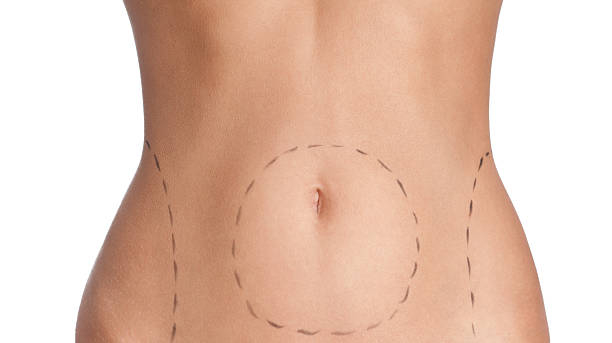
Achieving successful body contouring results depends on multiple clinical and personal factors, but one of the most critical elements is selecting the right candidate. When performed with precision and proper evaluation, modern body contouring procedures can significantly enhance abdominal definition, improve body proportions, and support long-term satisfaction. However, the foundation of these outcomes always begins before the procedure itself, during the assessment of patient suitability.
The advancement of minimally invasive lipoabdominoplasty techniques has transformed how surgeons approach abdominal reshaping by reducing tissue trauma and supporting faster recovery compared to traditional methods. Despite these innovations, patient selection remains the determining factor in whether outcomes appear natural, balanced, and sustainable over time.
Importance of Patient Selection in Body Contouring
Careful patient selection is essential because it ensures that the procedure aligns with the individual’s anatomy, skin quality, and overall health condition. Not every patient seeking abdominal contouring is an ideal candidate, and understanding these differences helps create safer and more predictable outcomes.
Ideal Candidates and Evaluation Factors
The evaluation process focuses on abdominal skin elasticity, fat distribution, and muscle condition. Patients with localized fat deposits and mild to moderate skin laxity tend to experience more refined outcomes. Those with stable body weight and a commitment to maintaining lifestyle habits also tend to achieve longer-lasting results.
Health and Lifestyle Considerations
General health plays a major role in determining suitability. Factors such as metabolic conditions, smoking habits, and physical activity levels can influence healing and final results. A stable and healthy lifestyle supports better tissue recovery and enhances the overall effectiveness of body contouring procedures.
How Patient Selection Impacts MILA Outcomes
The success of surgical body contouring is strongly linked to how accurately patient characteristics match the procedural goals. When expectations and anatomical realities are aligned, outcomes tend to be smoother and more natural-looking.
Surgical Precision and Safety Outcomes
In appropriately selected patients, surgeons can focus on precision rather than corrective adjustments. This reduces operative complexity and improves safety outcomes. Proper selection minimizes the risk of complications and allows for more controlled fat removal and tissue tightening.
Recovery Experience and Expectations
Recovery is significantly influenced by individual healing capacity. Patients who are well-suited for the procedure often experience more predictable healing patterns, reduced downtime, and improved comfort during recovery. Clear understanding of post-procedure expectations also enhances satisfaction levels.
Psychological Readiness and Satisfaction
Beyond physical factors, psychological readiness is equally important in determining success. Patients who have realistic expectations and a clear understanding of achievable results tend to report higher satisfaction. Emotional preparedness ensures that individuals view the transformation as an enhancement rather than a complete change in appearance.
Setting Realistic Expectations
Understanding the limitations and possibilities of body contouring helps patients make informed decisions. When expectations are aligned with surgical possibilities, the outcome is more likely to meet or exceed satisfaction benchmarks.
Conclusion
Patient selection is a cornerstone of achieving successful outcomes in advanced abdominal contouring procedures. When combined with modern techniques and careful planning, it ensures that results are not only aesthetically pleasing but also safe and sustainable. A thoughtful evaluation process enhances both the physical transformation and the overall patient experience.
FAQs
What is the importance of patient selection in abdominal contouring procedures?
Patient selection ensures that the procedure is suited to an individual’s body type, health condition, and expectations, leading to safer and more predictable outcomes.
Who is generally considered a good candidate for this procedure?
Individuals with stable body weight, good skin elasticity, and localized abdominal fat are typically better suited for optimal results.
Can lifestyle affect the outcome of the procedure?
Yes, lifestyle habits such as diet, exercise, and smoking can significantly influence healing and long-term results.
How does psychological readiness impact satisfaction?
Patients who have realistic expectations and understand the procedure tend to feel more satisfied with their results and recovery process.
Is recovery different for every patient?
Recovery varies depending on individual healing ability, overall health, and adherence to post-procedure care instructions.
Consultation
For individuals seeking personalized evaluation and advanced body contouring solutions, Enfield Royal Clinic provides professional consultation focused on patient suitability, safety, and individualized treatment planning to ensure the best possible outcomes.

 English
 Arabic
 French
 Spanish
 Portuguese
 Deutsch
 Turkish
 Dutch
Dutch
 Italiano
 Russian
 Romaian
 Portuguese (Brazil)