
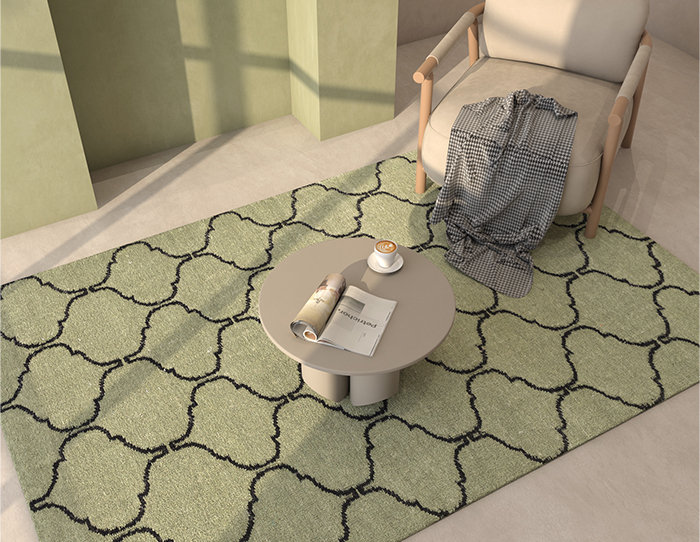
Soft furnishings often determine whether a room feels inviting or unfinished. Furniture may provide structure, but colours, textures, and decorative accents give a home its personality. Thoughtfully chosen textiles can transform an ordinary room into a calming retreat that reflects individual taste and creates a welcoming atmosphere for family and guests alike.
The Influence of Colour in Interior Design
Colours affect emotions more than many people realise. Warm shades can energise a space, while cooler tones are known for promoting relaxation and balance. Green has remained a popular choice among designers because it represents freshness, harmony, and a connection to nature. From muted sage to deep emerald, various shades of green can complement both traditional and contemporary interiors.
Natural colours are particularly effective in living areas where people gather to unwind. They create a soothing backdrop that works well with wooden furniture, neutral upholstery, and indoor plants. Even subtle additions can significantly improve the overall ambience of a room.
Finding the Perfect Rug for Every Space
Selecting a rug requires more consideration than simply choosing an attractive pattern. Size, material, pile height, and durability all contribute to how practical a rug will be for daily use. Larger rugs help anchor furniture arrangements, while smaller pieces can add interest to hallways, reading corners, or bedrooms.
Materials also influence comfort and maintenance requirements. Wool rugs offer softness and resilience, cotton rugs are lightweight and versatile, and synthetic fibres often provide stain resistance that suits busy households. Texture is another important factor, as plush surfaces create warmth while flatweaves deliver a cleaner, more casual appearance.
Many homeowners appreciate how a green rug can instantly refresh a room without requiring a complete redesign. Whether used as a subtle accent or a bold statement piece, it introduces colour in a way that feels balanced and timeless.
Combining Green With Existing Décor
Green pairs exceptionally well with a wide variety of colours and finishes. Soft sage tones complement cream walls and light oak furniture, creating a relaxed and airy atmosphere. Rich forest greens add sophistication when combined with brass accessories, darker woods, and velvet furnishings.
People seeking a modern aesthetic often choose rugs featuring geometric patterns or abstract designs that incorporate green alongside neutral shades. Traditional interiors, on the other hand, may benefit from botanical motifs or handwoven styles inspired by nature.
Layering textures is another effective decorating technique. Combining woven baskets, linen curtains, ceramic accessories, and natural fibres helps establish a cohesive look while preventing the room from feeling overly coordinated.
Practical Considerations Before Buying
Lifestyle should influence purchasing decisions as much as appearance. Homes with pets or young children may benefit from washable options that simplify cleaning. High-traffic spaces generally require durable materials capable of maintaining their appearance over time.
Vacuuming regularly removes accumulated dirt and dust, while rotating rugs periodically helps distribute wear evenly. Promptly addressing spills reduces the likelihood of staining and keeps fibres looking their best. Investing in a quality rug pad can also improve comfort, reduce slipping, and extend the life of the rug.
Creating Spaces That Encourage Relaxation
A well-designed home supports everyday routines while offering opportunities to disconnect from busy schedules. Decorative choices do not need to be extravagant to make an impact. Sometimes a single thoughtfully selected item can completely alter the mood of a room.
Many homeowners draw inspiration from biophilic interior design principles, which focus on incorporating natural elements into indoor spaces to promote wellbeing and comfort. Rugs featuring earthy colours and organic textures fit seamlessly within this approach, helping rooms feel calmer and more connected to nature.
Creating an inviting home is ultimately about balancing aesthetics with functionality. By selecting colours and furnishings that resonate personally, it becomes easier to design spaces that remain enjoyable, comfortable, and visually appealing for years to come.


 English
 Arabic
 French
 Spanish
 Portuguese
 Deutsch
 Turkish
 Dutch
Dutch
 Russian
 Romaian
 Portuguese (Brazil)
 Greek
Greek