
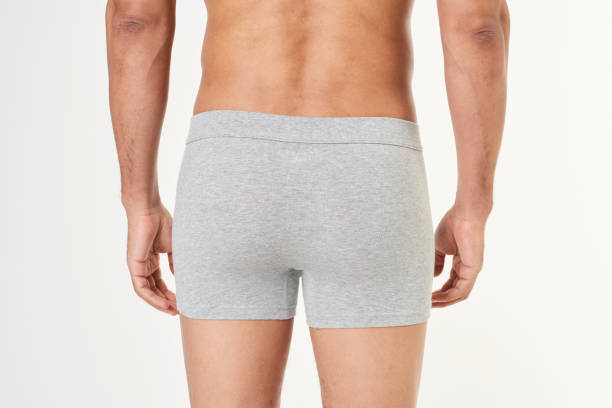
For men aiming to lose stubborn gluteal fat while building muscle, the structure of your workouts matters as much as the effort you put in. The goal isn't just to burn calories during a session—it's to create a metabolic environment that promotes fat loss while stimulating muscle growth. How to Lose Butt Fat for Men? This requires a strategic approach that combines resistance training and cardiovascular exercise in a way that maximizes both outcomes without one undermining the other. This is the essence of concurrent training (CT), and getting the sequence right is key to unlocking your results.
Exercise Order: Why Lifting First Wins
The order in which you perform your exercises can significantly impact your strength gains and fat loss. A 2025 study published in the Journal of Exercise Science & Fitness found that when resistance training (RT) was performed before endurance training (ET), participants saw superior improvements in body composition, including a greater reduction in body fat percentage and gynoid (hip and thigh) fat, compared to those who did cardio first . The group that lifted first also showed better gains in muscular endurance and explosive strength .
Why does this matter for your glutes? By prioritizing compound lifts like squats, deadlifts, and hip thrusts while you are fresh, you can lift heavier and with better form, providing the stimulus needed for muscle growth . This builds the gluteal muscles that will define your shape as the fat layer diminishes. Performing cardio afterwards, whether it's High-Intensity Interval Training (HIIT) or Low-Intensity Steady State (LISS), still allows you to burn calories for fat loss without compromising your strength gains .
Frequency and Split: Finding the Right Balance
How often and how you structure your training sessions also plays a critical role. While conventional wisdom often promotes split-body routines (training specific muscle groups on different days), a 2024 study on well-trained males found that a full-body routine performed more frequently was more effective for fat loss . The full-body group, which engaged large muscle groups on most training days, experienced greater losses in whole-body, upper-limb, and lower-limb fat mass . This is likely because full-body workouts elevate energy expenditure and excess post-exercise oxygen consumption (EPOC) more effectively, burning more calories throughout the week .
For glute development, you might consider training the lower body 2-3 times per week, ensuring adequate recovery between sessions . A well-designed program should include heavy compound movements with progressive overload—gradually increasing the weight or reps over time . This is what forces the muscle to adapt and grow. For the best results, each exercise should be performed with intensity, tracking your performance to ensure you are improving each week .
Combining Modalities: A Flexible, Sustainable Plan
Concurrent training, whether you perform RT and HIIT in the same session or alternate them on different days, produces comparable improvements in body composition and fitness . This flexibility allows you to design a workout plan that fits your lifestyle. A weekly schedule might look like this:
-
Strength Focus: 2-3 days per week of full-body or lower-body-focused resistance training. Prioritize compound lifts and aim for progressive overload .
-
Cardio Integration: Incorporate 1-2 days of HIIT or LISS cardio, ideally after your strength sessions. This supports fat loss and cardiovascular health without interfering with your strength gains .
-
Active Recovery: Include light activities like walking or stretching on rest days to promote recovery and maintain daily activity levels .
Treatment options to lose butt fat for men:
Sometimes, diet and exercise hit a wall. Maybe you’ve got those last few pounds of stubborn fat that just won’t budge. Options like CoolSculpting (freezing fat cells) or liposuction (surgically removing fat) exist for targeted, localized fat, while treatments like Emsculpt Neo can build muscle and reduce fat simultaneously .
For those seeking expert guidance and customized aesthetic care, you can book an appointment consultation at the Enfield Royal Clinic.
Frequently Asked Questions
What is the best exercise sequence for fat loss and muscle growth?
Performing resistance training before cardio is recommended. This allows you to lift heavier and with better form, maximizing strength and muscle gains, while still burning calories for fat loss .
How often should I train my glutes to see results?
Training your glutes 2-3 times per week with heavy, compound lifts and progressive overload is generally recommended for optimal growth and development .
Can I lose fat from my butt without losing muscle?
Yes. By prioritizing strength training and maintaining a high-protein diet while in a moderate calorie deficit, you can promote fat loss while preserving and even building muscle .
What is progressive overload and why is it important?
Progressive overload means gradually increasing the weight, reps, or sets in your workouts to continually challenge muscles and stimulate growth. It is the key driver of muscle hypertrophy .
Is a full-body or split-body routine better for fat loss?
Research suggests a full-body routine may be more effective for fat loss as it engages more muscle mass per session, leading to greater overall energy expenditure .

 English
 French
 Spanish
 Portuguese
 Deutsch
 Turkish
 Dutch
Dutch
 Italiano
 Russian
 Romaian
 Portuguese (Brazil)
 Greek
Greek