
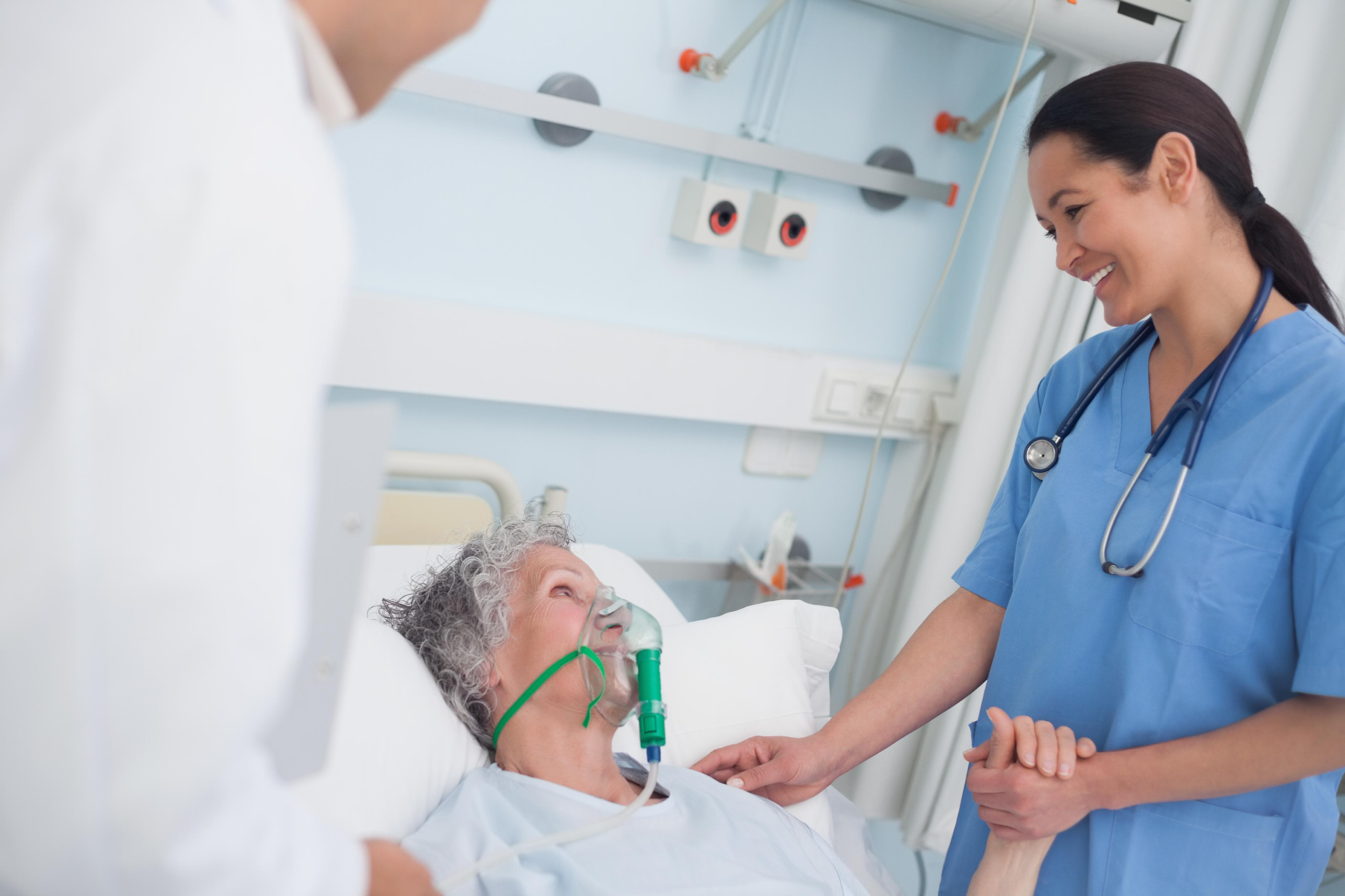
Receiving oxygen therapy at home allows patients with respiratory conditions to enjoy treatment in a comfortable and familiar environment while maintaining their daily routines. Oxygen Therapy At Home In Dubai has become an essential healthcare solution for individuals who require supplemental oxygen to improve breathing and support overall health. With the guidance of professional Doctor at Home services, patients can safely manage oxygen therapy, but avoiding common mistakes is equally important to ensure effective treatment and long-term well-being.
Understanding Oxygen Therapy at Home:
Oxygen therapy at home is a medical treatment that provides additional oxygen to patients whose blood oxygen levels are below the recommended range. Supplemental oxygen helps improve the function of vital organs by ensuring that the body receives enough oxygen to support normal activities. Depending on individual needs, oxygen may be delivered through concentrators, portable oxygen systems, or oxygen cylinders. Proper use of this therapy contributes to better breathing, increased energy, and improved quality of life.
Mistake 1: Changing Oxygen Flow Without Medical Advice:
One of the most common mistakes patients make is adjusting the oxygen flow rate without consulting a healthcare professional. Increasing or decreasing oxygen levels on your own may reduce the effectiveness of treatment or create unnecessary health risks. Oxygen prescriptions are carefully determined based on medical evaluations, and any adjustments should only be made under professional supervision. Following the prescribed oxygen settings helps maintain safe oxygen saturation and supports better respiratory health.
Mistake 2: Ignoring Equipment Maintenance:
Oxygen equipment requires regular cleaning and maintenance to function properly. Failing to inspect tubing, filters, and oxygen delivery devices can reduce therapy effectiveness or lead to equipment problems. Patients and caregivers should follow all maintenance instructions provided by healthcare professionals and manufacturers. Keeping equipment clean ensures a consistent oxygen supply while reducing the risk of interruptions during treatment.
Mistake 3: Overlooking Oxygen Safety Rules:
Although oxygen itself is not flammable, it supports combustion, making proper safety practices essential. Many accidents can be prevented by following simple precautions. Important safety guidelines include:
- Never smoke while using oxygen.
- Keep oxygen equipment away from open flames.
- Store oxygen cylinders securely in an upright position.
- Maintain good ventilation around oxygen concentrators.
- Avoid placing oxygen equipment near heat sources.
- Keep electrical devices in good working condition.
- Never use oil-based products near oxygen equipment.
Following these safety practices helps protect both patients and caregivers.
Mistake 4: Skipping Regular Medical Follow-Up:
Some patients believe that once oxygen therapy begins, regular medical evaluations are no longer necessary. In reality, ongoing monitoring is an important part of successful treatment. Healthcare professionals assess oxygen saturation, review therapy effectiveness, and make adjustments when needed. Routine follow-up appointments also provide opportunities to identify potential concerns early and ensure that patients continue receiving the appropriate level of oxygen support.
Mistake 5: Not Using Oxygen as Prescribed:
Another common mistake is using oxygen therapy only when symptoms become severe instead of following the prescribed schedule. Consistent oxygen therapy helps maintain stable oxygen levels throughout the day and night. Skipping treatment sessions may reduce oxygen saturation and increase fatigue, breathlessness, and other respiratory symptoms. Following the prescribed treatment plan supports better long-term health outcomes.
Mistake 6: Poor Placement of Oxygen Equipment:
The location of oxygen equipment within the home can affect both safety and performance. Equipment should be placed in clean, dry, and well-ventilated areas with enough space for proper airflow. Blocking ventilation openings or placing equipment near curtains, furniture, or enclosed spaces may reduce efficiency. Proper placement ensures reliable oxygen delivery while extending the life of the equipment.
Mistake 7: Ignoring Changes in Symptoms:
Patients sometimes assume that increased breathlessness or fatigue is a normal part of their condition and delay seeking medical advice. However, changes in symptoms may indicate that oxygen therapy requires adjustment or that another medical issue has developed. Patients should promptly report any concerning changes, including increased shortness of breath, chest discomfort, dizziness, confusion, or bluish lips and fingertips. Early medical evaluation helps prevent complications.
Mistake 8: Neglecting Physical Activity:
Some individuals avoid physical movement because they worry about becoming short of breath. While strenuous activity may not be appropriate for every patient, gentle movement within healthcare recommendations often supports better respiratory health. Portable oxygen systems allow many patients to remain active while continuing oxygen therapy. Light exercise can improve circulation, strengthen muscles, increase endurance, and enhance overall quality of life.
Mistake 9: Failing to Educate Family Caregivers:
Family members often assist patients with oxygen therapy, but they may not fully understand how the equipment works or how to respond during emergencies. Proper caregiver education improves treatment consistency and enhances patient safety. Caregivers should learn equipment operation, maintenance procedures, safety guidelines, and warning signs that require medical attention. Well-informed caregivers provide valuable support throughout the patient's treatment journey.
Tips for Safe and Effective Oxygen Therapy:
Following good daily habits helps patients receive the maximum benefit from oxygen therapy while minimizing risks. Consider these practical recommendations:
- Follow oxygen prescriptions exactly as directed.
- Clean oxygen equipment regularly.
- Inspect tubing for wear or damage.
- Attend all scheduled medical appointments.
- Practice recommended oxygen safety measures.
- Stay physically active within medical guidance.
- Report new or worsening symptoms promptly.
- Keep backup oxygen supplies available if advised.
These simple habits support consistent treatment and contribute to better respiratory health.
Final Thoughts:
Oxygen Therapy At Home In Dubai provides life-enhancing respiratory support for patients living with chronic breathing conditions, but its success depends on proper use and careful management. Avoiding common mistakes such as changing oxygen settings without medical advice, neglecting equipment maintenance, skipping follow-up appointments, or overlooking safety precautions helps ensure effective treatment. With professional supervision, informed caregivers, and consistent daily practices, patients can enjoy safer oxygen therapy, improved breathing, greater independence, and a better overall quality of life from the comfort of their homes.


 Arabic
 French
 Spanish
 Portuguese
 Deutsch
 Turkish
 Dutch
Dutch
 Italiano
 Russian
 Romaian
 Portuguese (Brazil)
 Greek
Greek