
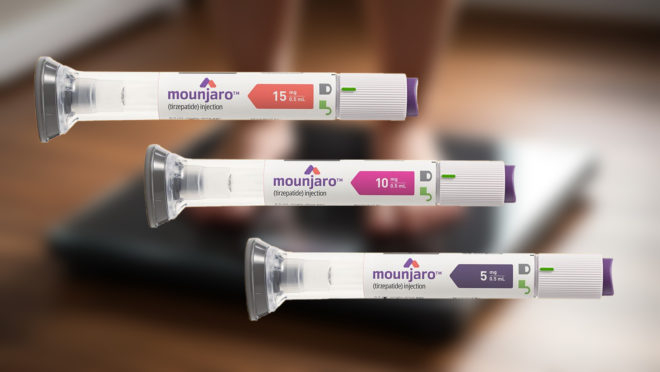
Mounjaro in Islamabad has gained attention among people looking for medically supervised options for managing type 2 diabetes and, in some cases, weight-related concerns. Mounjaro contains tirzepatide, a prescription medicine that works on two hormone pathways involved in blood sugar regulation and appetite. However, it is not a simple weight-loss injection and should only be used after proper medical assessment.
What Is Mounjaro?
Mounjaro is the brand name for tirzepatide. It is administered as a subcutaneous injection, generally once a week. The medicine is approved by the U.S. FDA to improve blood sugar control in adults with type 2 diabetes when combined with diet and exercise.
Tirzepatide works on GIP and GLP-1 receptors. These hormones help regulate blood glucose, insulin response, appetite, and digestion. Because it can reduce appetite and food intake, tirzepatide has also become widely associated with weight management.
Importantly, patients should understand that Mounjaro and other tirzepatide products may have different approved indications depending on the product and country.
How Does Mounjaro Work?
Mounjaro helps the body respond more effectively to glucose-related signals. It can increase insulin secretion when blood sugar is elevated and reduce glucagon secretion. It also slows stomach emptying and may reduce appetite.
These effects can help some patients improve blood sugar control and potentially lose weight. However, results vary between individuals and depend on factors such as diet, activity, medical history, dosage, and treatment duration.
Who May Be Considered for Mounjaro?
Mounjaro may be considered for adults with type 2 diabetes when a healthcare professional believes tirzepatide is appropriate. A doctor may review your blood glucose levels, existing medications, weight, kidney function, medical history, and other health factors before prescribing it.
For people primarily interested in weight management, it is important to discuss whether tirzepatide is medically suitable and which approved formulation and indication apply to their situation.
Mounjaro is not indicated for type 1 diabetes, and it should not be treated as a cosmetic shortcut for losing a few kilograms.
How Is Mounjaro Administered?
Mounjaro is injected under the skin of areas such as the abdomen, thigh, or upper arm. The prescribing information recommends once-weekly administration, with injection sites rotated regularly.
The starting dose and any subsequent dose increases should be determined by a qualified healthcare professional. Patients should never increase the dose themselves simply because weight loss appears slow.
Common Side Effects
Like any prescription medicine, Mounjaro can cause side effects. The most commonly reported effects include nausea, diarrhea, reduced appetite, vomiting, constipation, indigestion, and abdominal discomfort.
For some people, these symptoms become less noticeable as the body adjusts. Eating smaller meals, staying adequately hydrated, and following medical advice may help with gastrointestinal discomfort.
However, persistent vomiting, severe abdominal pain, symptoms of dehydration, or signs of an allergic reaction require prompt medical attention.
Important Safety Considerations
Mounjaro is not suitable for everyone. It is contraindicated in people with a personal or family history of medullary thyroid carcinoma or with Multiple Endocrine Neoplasia syndrome type 2 (MEN 2). It is also contraindicated in individuals with a serious hypersensitivity to tirzepatide or its ingredients.
Healthcare professionals should also consider conditions such as pancreatitis, gallbladder problems, kidney disease, severe gastrointestinal disease, diabetic retinopathy, and medicines that can increase the risk of low blood sugar.
Patients should provide their doctor with a complete list of medicines and supplements before starting treatment.
Mounjaro and Weight Management
Tirzepatide has demonstrated significant effects on body weight in clinical research. However, weight management should involve more than an injection. A balanced calorie-controlled diet, regular physical activity, adequate sleep, and ongoing medical monitoring can all contribute to sustainable results.
People should also avoid purchasing unverified or unauthorized injectable products online. The FDA has warned about risks associated with unapproved compounded versions of GLP-1 medicines, including tirzepatide.
For Pakistani patients, obtaining medication from a reliable, legitimate pharmacy and using it under professional supervision is particularly important.
Frequently Asked Questions
Is Mounjaro a weight-loss injection?
Mounjaro contains tirzepatide and is FDA-approved for improving blood sugar control in adults with type 2 diabetes. Tirzepatide is also used in an approved formulation for chronic weight management in eligible adults. The appropriate product depends on the medical indication.
How often is Mounjaro injected?
Mounjaro is generally administered once weekly. The exact dose and treatment schedule should be prescribed and adjusted by a healthcare professional.
Can everyone use Mounjaro?
No. Certain medical conditions, allergies, medications, and personal or family histories can make tirzepatide unsuitable. A medical assessment is important before starting treatment.
What are the most common side effects of Mounjaro?
Common side effects include nausea, diarrhea, decreased appetite, vomiting, constipation, indigestion, and abdominal pain.
Should I use Mounjaro without a prescription?
No. Mounjaro is a prescription medicine and should be used under qualified medical supervision. Self-medication can increase the risk of incorrect dosing, drug interactions, and avoidable complications.
Final Thoughts
Mounjaro can be an effective prescription treatment for appropriate patients, particularly adults with type 2 diabetes who need additional blood sugar control alongside diet and exercise. Its effects on appetite and body weight have also increased interest in tirzepatide for weight management. However, Mounjaro in Islamabad should be approached as a medical treatment rather than a quick solution. A qualified healthcare professional can determine whether it is appropriate, explain potential risks, and establish a safe treatment plan based on your individual needs.

 English
 French
 Spanish
 Portuguese
 Deutsch
 Turkish
 Dutch
Dutch
 Italiano
 Russian
 Romaian
 Portuguese (Brazil)
 Greek
Greek