
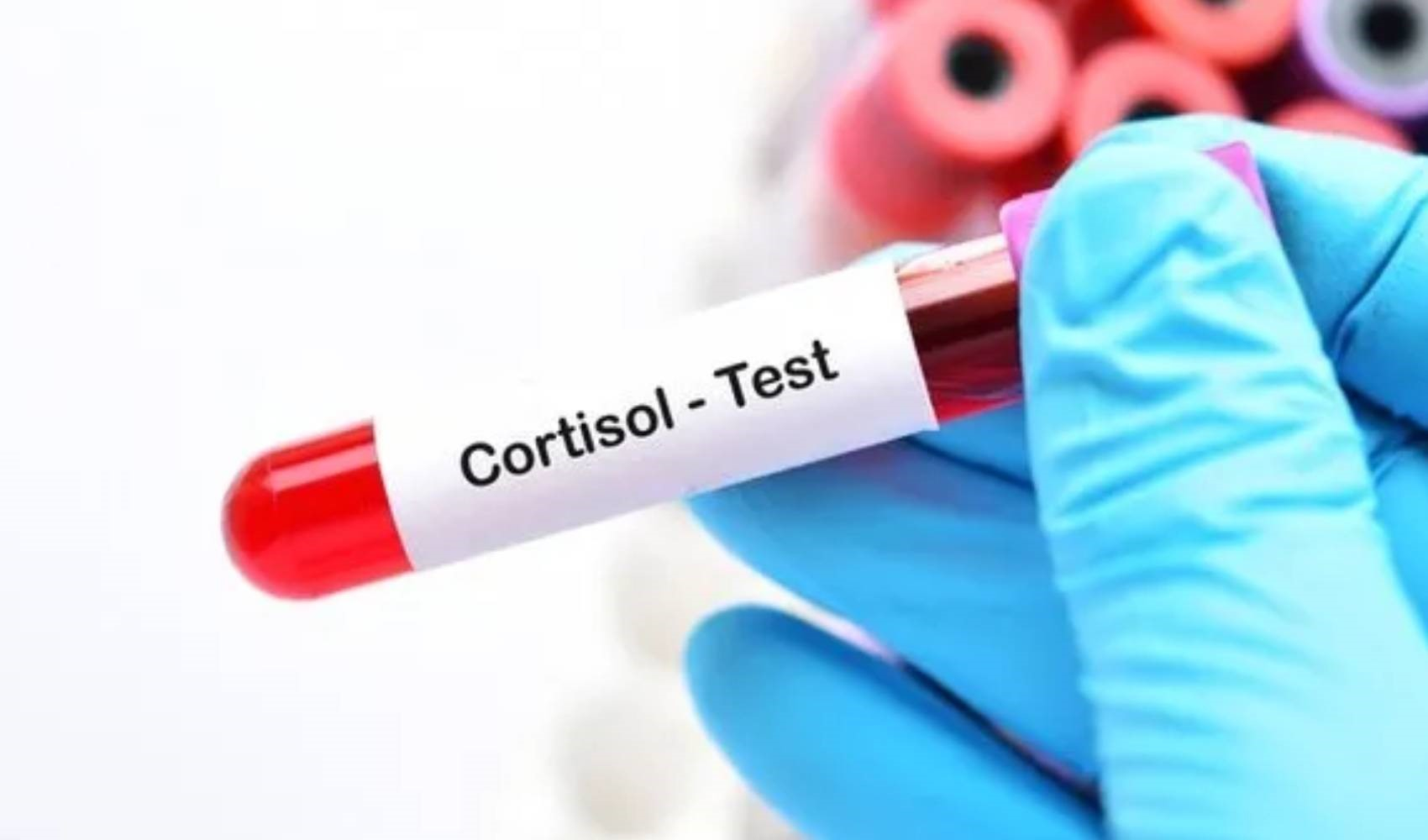
A cortisol blood test measures the amount of cortisol circulating in your bloodstream at the time the sample is collected. Because cortisol follows a natural daily rhythm, a normal result does not necessarily mean one specific number for everyone.
Instead, a normal Cortisol Blood Test Dubai result depends on factors such as the time of day, the laboratory's reference range, the type of test, medications, sleep schedule, and the reason the test was ordered.
For example, cortisol is normally higher in the morning and gradually decreases later in the day. A value that is appropriate at 8 AM may not be considered normal at another time. MedlinePlus notes that normal blood cortisol values vary according to collection time and laboratory methods.
Understanding what a normal cortisol result looks like therefore requires more than checking whether a number falls between two limits.
What Is Cortisol and Why Is It Tested?
Cortisol is a steroid hormone produced by the adrenal glands, which sit above the kidneys. It helps the body regulate blood pressure, blood glucose, metabolism, immune activity, and the response to physical and psychological stress.
Cortisol production is controlled through communication between the hypothalamus, pituitary gland, and adrenal glands, often referred to as the hypothalamic-pituitary-adrenal axis.
A doctor may recommend a cortisol test when symptoms or other findings suggest that the body could be producing too much or too little cortisol.
The test may help investigate conditions such as:
- Adrenal insufficiency
- Addison disease
- Cushing syndrome
- Pituitary disorders
- Abnormal adrenal function
- Effects of long-term corticosteroid treatment
A cortisol blood test can provide useful information, but it is usually interpreted alongside symptoms, medical history, medications, and sometimes additional hormone tests.
What Does a Normal Cortisol Level Look Like?
There is no single universal normal cortisol level.
For an 8 AM blood sample, MedlinePlus lists a commonly used reference range of approximately 5 to 25 micrograms per deciliter, equivalent to about 138 to 690 nanomoles per liter. However, reference ranges can vary between laboratories and testing methods.
This is why you should use the reference range printed on your own laboratory report rather than comparing your result with a number found online.
A result within the laboratory's stated range is generally considered within that laboratory's reference interval. But even then, the number needs to be considered in the context of why the test was performed.
Why Is There No Single "Normal" Number?
Cortisol is not a static hormone.
Its concentration changes throughout the day as part of the body's circadian rhythm. In people with a typical daytime sleep schedule, levels are generally higher in the morning and lower later in the day.
This means a cortisol result must be interpreted according to its collection time.
A morning result and an afternoon result should not necessarily be judged against identical expectations.
The laboratory report should therefore provide the appropriate reference interval for the particular test and sample.
Morning Cortisol: What Is Considered Normal?
Morning cortisol testing is especially important when doctors are evaluating possible adrenal insufficiency.
The Endocrine Society recommends measuring serum cortisol at approximately 8 to 9 AM as a first-line test when evaluating central adrenal insufficiency.
For this type of evaluation, the interpretation can be more specific than simply asking whether the result falls inside a laboratory reference range.
The Endocrine Society guidance notes that a morning cortisol below about 3 micrograms per deciliter is suggestive of adrenal insufficiency, while a value above about 15 micrograms per deciliter makes the diagnosis less likely in the appropriate clinical setting. Values between these levels may require additional testing.
These thresholds should not be treated as universal diagnostic rules for every person because cortisol assays and clinical circumstances differ.
What Does a Normal Result Mean for Adrenal Function?
If a morning cortisol level is appropriately high, it may suggest that the adrenal glands are producing cortisol adequately.
However, the interpretation depends on the reason for testing.
For example, a morning cortisol result may be used as an initial assessment when adrenal insufficiency is suspected. If the result is clearly reassuring, further testing may not always be necessary. If it is low or falls into an uncertain range, a doctor may recommend an ACTH stimulation test.
The Endocrine Society recommends corticotropin stimulation testing when morning cortisol results fall into an intermediate range during evaluation for central adrenal insufficiency.
Therefore, "normal" should be understood as part of a diagnostic process rather than as a standalone diagnosis.
What Is an ACTH Stimulation Test?
An ACTH stimulation test examines how the adrenal glands respond to adrenocorticotropic hormone.
During the test, cortisol is measured before and after administration of synthetic ACTH. A healthy adrenal response generally involves a significant increase in cortisol after stimulation.
The Endocrine Society recommends the standard-dose corticotropin stimulation test as the preferred confirmatory test for primary adrenal insufficiency when appropriate.
This is useful because a single cortisol measurement shows the hormone concentration at one moment, whereas an ACTH stimulation test assesses the adrenal glands' ability to respond.
Can a Normal Cortisol Result Still Require More Testing?
Yes.
A result within the laboratory's reference range does not always rule out a medical problem.
Laboratory reference ranges describe results observed in populations considered healthy, but they do not guarantee that every result inside the range is appropriate for every clinical situation. MedlinePlus emphasizes that a result within a reference range does not necessarily guarantee good health, particularly when symptoms or other findings suggest a problem.
If symptoms strongly suggest an adrenal or hormone disorder, a doctor may recommend additional testing even when the initial cortisol blood test appears normal.
This is one reason patients should avoid interpreting laboratory values in isolation.
What Can Change a Cortisol Blood Test Result?
Several factors can influence cortisol levels.
Time of day
The most important factor is often the collection time because cortisol follows a daily rhythm.
Stress
Physical or emotional stress can increase cortisol. Acute illness can also affect the result.
Exercise
Vigorous physical activity may influence cortisol levels, which is why some testing instructions recommend avoiding strenuous exercise beforehand.
Sleep
Sleep deprivation, night-shift work, and irregular sleep patterns may affect the normal cortisol rhythm.
Medications
Corticosteroids such as prednisone, prednisolone, and hydrocortisone can influence cortisol production and testing. Other medicines, including some estrogen-containing medications, may also affect interpretation.
Pregnancy
Pregnancy can change hormone levels and may affect the interpretation of total serum cortisol.
Because of these influences, tell your healthcare professional about relevant medications, recent illness, major sleep disruption, and other circumstances surrounding the test.
What Does a Normal Cortisol Report Usually Include?
When reviewing your laboratory report, you may see several pieces of information.
Typically, the report includes:
- Your cortisol result
- Measurement units
- Laboratory reference range
- Collection date and sometimes collection time
- Test name
- Any relevant laboratory comments
For example, a report might show a cortisol concentration in micrograms per deciliter or nanomoles per liter.
Do not assume that a number is abnormal simply because it looks high or low compared with an online reference range.
Different laboratories can use different testing methods and reference intervals. MedlinePlus recommends comparing your result with the reference range provided by the laboratory that performed the test.
Why Laboratory Reference Ranges Matter
Imagine that two laboratories use different cortisol assays.
The numerical results may not be directly interchangeable, even if both tests are measuring the same hormone.
This is why your laboratory's own reference interval is the most useful starting point.
If you are monitoring cortisol over time, using the same laboratory when possible may also make it easier for your healthcare professional to identify meaningful changes.
Does a Normal Cortisol Result Rule Out Cushing Syndrome?
Not necessarily.
Cushing syndrome involves prolonged exposure to excessive cortisol, but a single blood cortisol measurement may not be the best screening approach for every patient.
Doctors may instead use tests designed to identify abnormal cortisol production or loss of the normal daily cortisol pattern.
Depending on the situation, these can include:
- Late-night salivary cortisol
- 24-hour urinary free cortisol
- Dexamethasone suppression testing
The appropriate test depends on the symptoms and clinical suspicion.
A normal serum cortisol level at one point in the day does not automatically exclude every form of cortisol excess.
Does a Normal Result Rule Out Addison Disease?
A normal cortisol result may make significant adrenal insufficiency less likely in some circumstances, but interpretation depends on the timing and clinical context.
If symptoms strongly suggest adrenal insufficiency, your doctor may consider ACTH testing and an ACTH stimulation test.
Possible symptoms of adrenal insufficiency can include:
- Persistent fatigue
- Muscle weakness
- Low blood pressure
- Dizziness
- Reduced appetite
- Weight loss
- Abdominal discomfort
- Nausea or vomiting
Severe symptoms require prompt medical assessment.
The Endocrine Society recommends confirmatory corticotropin stimulation testing when primary adrenal insufficiency is suspected and the patient's condition allows it.
How Should You Read Your Cortisol Test?
A simple approach is to ask five questions:
1. When was the blood sample collected?
Cortisol varies significantly according to time of day.
2. What reference range does the laboratory provide?
Use the range on your report rather than a generic range found online.
3. Why was the test ordered?
Testing for adrenal insufficiency is interpreted differently from an investigation for cortisol excess.
4. Are you taking medications that affect cortisol?
Corticosteroids and certain other medicines can influence results.
5. Do your symptoms match the laboratory finding?
Doctors consider symptoms and other test results rather than relying on one number.
This approach can prevent unnecessary worry over a result that may actually be appropriate for the circumstances.
Frequently Asked Questions
What is a normal cortisol level in the morning?
A commonly cited 8 AM reference range is approximately 5 to 25 micrograms per deciliter, but the appropriate range depends on the laboratory, assay, and clinical situation.
Is cortisol supposed to be high in the morning?
Generally, yes. Cortisol normally follows a daily rhythm and is relatively high around the morning in people with a typical daytime sleep schedule.
Is a cortisol level of 10 normal?
It may fall within some laboratory reference ranges, but the significance depends on the collection time and why the test was performed. In adrenal insufficiency evaluation, intermediate morning values may require additional testing.
Can a normal cortisol result still mean I have a problem?
Yes. A single cortisol test cannot diagnose or exclude every adrenal or hormone disorder. Additional testing may be needed when symptoms or other findings remain concerning.
What should I do if my cortisol result is outside the normal range?
Discuss it with your healthcare professional. They may consider the timing of the sample, medications, symptoms, and other laboratory results before deciding whether repeat or additional testing is necessary.
The Bottom Line
A normal cortisol blood Lab tests result does not have one universal number. Cortisol naturally changes throughout the day, so a result must be interpreted according to the time of collection, laboratory reference range, testing method, medications, and clinical reason for testing.
For an 8 AM sample, one commonly cited reference range is around 5 to 25 micrograms per deciliter, but your own laboratory's reference interval should take priority.
When evaluating possible adrenal insufficiency, morning cortisol can be an important first step. Results that are clearly low, clearly reassuring, or fall into an intermediate range may lead to different next steps, including ACTH measurement or an ACTH stimulation test.
Most importantly, do not diagnose yourself from a single cortisol number. A result that looks normal or abnormal on paper may have a very different meaning once the collection time, symptoms, medications, sleep pattern, and overall health are taken into account.

 English
 French
 Spanish
 Portuguese
 Deutsch
 Turkish
 Dutch
Dutch
 Italiano
 Russian
 Romaian
 Portuguese (Brazil)
 Greek
Greek