
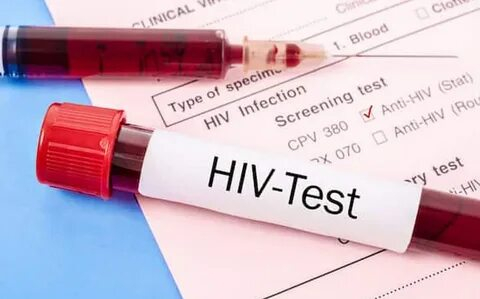
A possible HIV exposure can leave you with many questions, especially about when to take an HIV Blood Test in Dubai, whether an early result can be trusted, and what to do while waiting for an answer. The good news is that modern HIV testing is highly effective, and understanding the testing timeline can help you make informed decisions.
The most important point is that testing too soon after exposure may not detect a newly acquired HIV infection. Different HIV tests detect different markers and therefore have different window periods.
If you have recently experienced a possible exposure, this guide explains what to do, when HIV testing can detect infection, how results are interpreted, and when urgent medical care may be appropriate.
First Things First: What Counts as a Possible HIV Exposure?
HIV transmission requires specific types of exposure to certain body fluids from a person with HIV. Potentially infectious fluids include blood, semen, vaginal fluids, rectal fluids, and breast milk.
Possible exposure situations can include:
- Vaginal or anal sex without effective HIV prevention
- Sharing needles or injection equipment
- Exposure to infected blood
- Certain occupational injuries involving blood
- Sexual contact involving a partner whose HIV status is unknown
Not every sexual or blood-related situation carries the same level of HIV risk. For example, HIV is not transmitted through casual contact such as hugging, sharing food, shaking hands, or using the same toilet.
If you are unsure whether an event represented a meaningful HIV exposure, a healthcare professional can assess the situation confidentially.
The 72-Hour Window: Do Not Wait for an HIV Test
If the possible exposure happened within the last 72 hours, one of the most important steps is to ask about post-exposure prophylaxis, or PEP.
PEP consists of HIV medicines taken after a possible exposure to reduce the chance of infection. According to HIV.gov, PEP should be started as soon as possible and no later than 72 hours after a potential exposure.
This creates an important distinction:
HIV testing tells you whether infection can be detected. PEP is an emergency prevention option that may reduce the chance of infection after exposure.
Do not delay seeking medical advice simply because you plan to have an HIV blood test.
When Should You Take an HIV Blood Test?
There is no single testing day that applies to every HIV test.
The appropriate timing depends on the type of HIV test being used.
HIV.gov provides the following typical detection ranges:
| HIV test | Typical detection period after exposure |
|---|---|
| NAT | 10 to 33 days |
| Laboratory antigen and antibody test using blood from a vein | 18 to 45 days |
| Antibody test | 23 to 90 days |
These are typical ranges, not guarantees for every individual.
If you test very soon after exposure, a negative result may not rule out infection because the test may be performed during the HIV window period.
Understanding the HIV Window Period
The window period is the time between HIV exposure and when a specific test can reliably detect infection.
During this period, HIV may already be present, but the biological markers measured by a particular test may not yet be detectable.
This is why someone can have a negative HIV test shortly after exposure and later receive a positive result.
The issue is not necessarily that the first test was defective. It may simply have been performed before the test could detect the infection.
Which HIV Blood Test Is Best After a Recent Exposure?
The appropriate test depends on how recently the exposure occurred and your healthcare provider's assessment.
Fourth Generation HIV Blood Test
A laboratory fourth generation HIV test, also called an antigen and antibody test, detects both p24 antigen and HIV antibodies.
Because p24 antigen can appear before antibodies are fully developed, this test can detect many infections earlier than an antibody-only test.
A laboratory antigen and antibody test using blood drawn from a vein generally has a detection range of approximately 18 to 45 days after exposure.
HIV Antibody Test
An antibody test looks for antibodies produced by the immune system.
It can be useful for HIV screening but generally has a longer window period.
HIV.gov reports that antibody tests can usually detect HIV approximately 23 to 90 days after exposure.
HIV NAT
A nucleic acid test, or NAT, looks for HIV genetic material.
It has an earlier typical detection range of approximately 10 to 33 days and may be considered when acute HIV infection is suspected.
Not everyone needs a NAT. A healthcare professional can determine whether it is appropriate based on the timing and circumstances of exposure.
What If You Test Negative Very Soon After Exposure?
A negative result shortly after a possible exposure can be reassuring emotionally, but it may not be conclusive medically.
For example, if you test only a few days after exposure, the test may not yet be able to detect HIV.
Your healthcare provider may recommend repeat testing after the appropriate window period.
The exact follow-up schedule depends on the test used, the timing of exposure, and whether medications such as PEP or PrEP are involved.
What Does a Negative Result Mean After the Window Period?
A negative HIV test performed after the relevant window period is much more reassuring.
Doctors also consider whether there have been any new exposures since the test.
For example, a negative result after an earlier exposure cannot necessarily rule out infection from a later exposure.
Always tell your healthcare provider about additional possible exposures so they can determine the appropriate testing timeline.
What If You Have Symptoms After Exposure?
Some people develop symptoms during acute HIV infection, while others have no symptoms at all.
Possible early symptoms can include:
- Fever
- Fatigue
- Sore throat
- Rash
- Swollen lymph nodes
- Muscle aches
- Headache
- Night sweats
These symptoms can occur with many other infections, so they cannot diagnose HIV.
If symptoms appear after a possible exposure, tell your healthcare provider. They may consider whether testing for acute HIV infection is appropriate.
Can a Standard HIV Blood Test Detect Acute Infection?
It can, depending on the test and timing.
A fourth generation antigen and antibody test can detect many early infections because it looks for p24 antigen as well as antibodies.
A NAT can detect HIV genetic material earlier and may be useful when acute infection is strongly suspected.
However, no test should be expected to detect HIV immediately after exposure.
This is why healthcare professionals combine exposure history, symptoms, test type, and timing when evaluating possible recent infection.
What If Your HIV Test Is Reactive?
A reactive HIV screening result does not automatically mean that you have HIV.
Screening tests are designed to identify possible infections and require follow-up testing.
For example, laboratory HIV testing can involve an initial antigen and antibody screening test followed by additional testing to distinguish HIV-1 and HIV-2 antibodies. If results do not agree, HIV RNA testing can help determine whether acute infection is present or whether the initial screening result was falsely reactive.
Therefore, do not interpret a reactive screening result as a confirmed diagnosis until the recommended follow-up testing has been completed.
Can an HIV Test Be False Negative?
Yes, although modern HIV tests are highly reliable.
One of the most important reasons for a false-negative HIV test is testing during the window period.
Other circumstances may also affect interpretation, particularly when someone has recently taken HIV prevention medications.
If your result does not match your exposure history or your healthcare provider's expectations, additional testing may be recommended.
What About PrEP and PEP?
Tell your healthcare provider if you are taking or have recently taken PrEP or PEP.
PrEP, or pre-exposure prophylaxis, is medication used to reduce the risk of acquiring HIV before potential exposure.
PEP is taken after a possible exposure.
These medications are important when doctors interpret HIV testing and determine follow-up care.
If you are within the 72-hour PEP window, do not wait for an HIV test result before seeking medical advice. PEP works best when started as soon as possible.
What Happens During an HIV Blood Test?
The blood collection process is usually simple.
A healthcare professional will typically:
- Ask about your health and possible exposure.
- Identify a suitable vein, usually in your arm.
- Clean the skin.
- Insert a sterile needle.
- Collect a small blood sample.
- Remove the needle and apply pressure.
- Send the specimen for laboratory analysis.
The blood draw usually takes only a few minutes.
You generally do not need to fast for a standard HIV blood test unless you are also having another blood test that requires fasting.
How Long Do HIV Blood Test Results Take?
The time required to receive an HIV test result depends on the testing method and laboratory.
Some HIV testing services can provide results relatively quickly, while laboratory testing may take longer.
Ask the testing facility when your result is expected and how you will receive it.
Remember that test result time is different from the HIV window period.
A laboratory may produce a result quickly, but that does not mean the test can detect an exposure that occurred only a few days earlier.
How Doctors Interpret the Result
Doctors look at more than the word "negative" or "reactive."
They may consider:
- Date of possible exposure
- Date of HIV testing
- Type of test
- Previous HIV results
- New exposures
- PrEP or PEP use
- Symptoms
- Follow-up test results
A negative result after the appropriate window period is generally much more informative than an early negative result.
A reactive screening result requires additional testing.
What Should You Do While Waiting for a Conclusive Result?
If you are waiting for follow-up testing after a possible exposure, continue communicating with your healthcare provider.
Depending on your circumstances, you may also discuss ways to reduce the possibility of transmitting HIV to another person while your status is being clarified.
Avoid making assumptions based on symptoms alone.
You also do not need to repeatedly test every few days without a plan. Following an evidence-based testing schedule is generally more useful.
What Happens If HIV Is Confirmed?
A confirmed HIV diagnosis can understandably feel overwhelming, but effective treatment is available.
Antiretroviral therapy can suppress HIV to an undetectable level, protect immune function, and support long-term health.
When a person maintains an undetectable viral load, HIV is not sexually transmitted. This is known as U=U, or Undetectable = Untransmittable.
Early diagnosis also allows healthcare professionals to begin appropriate treatment and monitoring.
A Practical HIV Testing Timeline
If you have experienced a possible exposure, think about the process in stages.
Within 72 hours
Seek urgent medical advice about PEP. Do not wait for a conclusive HIV test.
Around 10 to 33 days
A NAT may be capable of detecting HIV during this period.
Around 18 to 45 days
A laboratory fourth generation antigen and antibody test can usually detect HIV during this range.
Around 23 to 90 days
Antibody tests can usually detect HIV during this broader range.
These ranges should not be treated as personalized medical instructions. Your healthcare provider can recommend the appropriate test and follow-up schedule.
Common Questions About HIV Testing After Exposure
Can I test for HIV immediately after exposure?
You can seek medical testing immediately, but a test performed immediately after exposure cannot reliably detect an infection that has only just occurred.
If exposure occurred within 72 hours, ask about PEP urgently.
Is a negative HIV test two weeks after exposure conclusive?
Not necessarily. The answer depends on the test used. A fourth generation test and a NAT have different detection windows, while antibody testing generally takes longer.
What is the most accurate HIV test after recent exposure?
There is no single test that is best for every person and every point in time. NAT can detect HIV earlier, while fourth generation laboratory testing is widely used for screening. A healthcare professional can determine the most appropriate approach.
Can symptoms tell me whether I have HIV?
No. Early HIV symptoms can resemble many other illnesses, and some people have no symptoms. Testing is necessary.
Does a reactive HIV test mean I definitely have HIV?
No. A reactive screening result requires appropriate follow-up testing before HIV infection is confirmed.
Should I repeat an HIV test after a negative result?
If testing occurred during the window period, repeat testing may be recommended. Your healthcare provider can determine the appropriate timing based on the test and exposure.
Final Takeaway
An HIV blood Lab tests after a risky exposure can provide valuable information, but timing is crucial.
A negative result obtained too early may not rule out a newly acquired infection because HIV tests need time to detect viral genetic material, antigen, or antibodies. A NAT can generally detect HIV around 10 to 33 days after exposure, while a laboratory antigen and antibody test using blood from a vein can usually detect HIV around 18 to 45 days. Antibody tests generally have a longer detection range of approximately 23 to 90 days.
If the exposure occurred within 72 hours, seek medical advice about PEP immediately rather than waiting for testing to become conclusive.
If your initial HIV screening result is reactive, remember that it is not automatically a confirmed diagnosis. Follow-up testing is used to establish whether HIV infection is actually present.
The most useful approach is to know the approximate exposure date, identify the test being used, follow the appropriate window period, and work with a healthcare professional on any recommended repeat or confirmatory testing. Early diagnosis and treatment can make a major difference, and sustained viral suppression prevents sexual transmission of HIV.

 English
 Arabic
 Spanish
 Portuguese
 Deutsch
 Turkish
 Dutch
Dutch
 Italiano
 Russian
 Romaian
 Portuguese (Brazil)
 Greek
Greek