
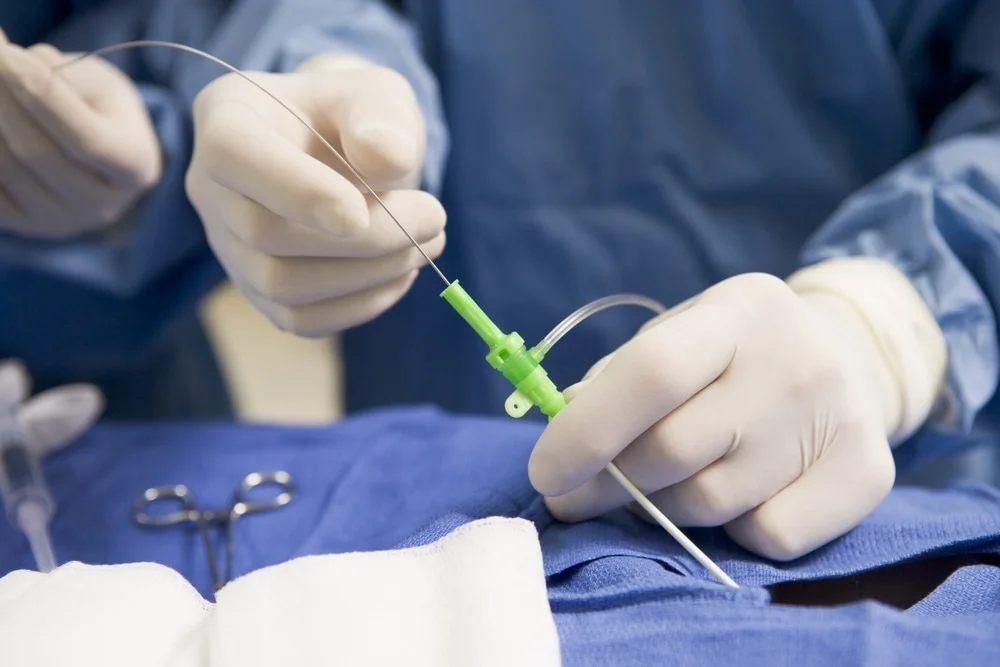
Managing catheter care at home can feel overwhelming for families, especially when a loved one needs ongoing assistance with hygiene, drainage, and daily activities. For families searching for dependable Catheter Care at Home Dubai, understanding basic safety practices can make routine care more organized and comfortable. A Doctor at Home can assess the patient's condition and provide appropriate medical guidance, while trained healthcare professionals can support families with catheter-related care when additional assistance is required. With the right knowledge, preparation, and individualized care plan, families can help patients maintain dignity and comfort while reducing avoidable catheter-care risks.
Understand the Patient's Catheter and Care Plan:
The first step for families is to understand why the catheter has been prescribed, what type of catheter the patient uses, and how long it is expected to remain in place. Healthcare professionals should explain the catheter system, drainage bag, hygiene requirements, and any specific precautions relevant to the patient's condition. Family caregivers should follow these instructions rather than relying on generic information because catheter-care requirements can differ between patients. It is also important to know which tasks caregivers are trained and authorized to perform. Catheters should not be inserted, removed, replaced, or manipulated unless the caregiver has received appropriate professional training and explicit instructions.
Make Hand Hygiene a Priority:
Clean hands are essential whenever a caregiver handles a catheter, drainage tubing, or collection bag. Hands should be washed thoroughly with soap and clean running water before and after catheter-related care. When soap and water are unavailable, an appropriate alcohol-based hand sanitizer can be used when hands are not visibly dirty. Families should keep essential catheter supplies in a clean, organized location to avoid unnecessary contact with household surfaces during care. Caregivers should also avoid touching catheter connections, the catheter tip, or drainage outlets unnecessarily. Establishing hand hygiene as a consistent part of the daily routine can help reduce the risk of contamination.
Keep the Catheter Area Clean and Dry:
The skin around the catheter should be cleaned according to the patient's healthcare instructions. In many cases, gentle cleaning with mild soap and water is appropriate, but the exact method should follow professional recommendations. Caregivers should clean gently without pulling, twisting, or unnecessarily moving the catheter and should dry the surrounding skin carefully. Avoid applying powders, perfumes, creams, or antiseptic products around the catheter unless they have been specifically recommended. Families should also observe the skin for persistent redness, swelling, tenderness, discharge, or irritation. Any unusual or worsening skin changes should be discussed with a healthcare professional rather than treated independently.
Handle the Drainage Bag Correctly:
Proper drainage bag management is an important part of safe catheter care. The bag should generally remain below the level of the bladder to support urine flow and reduce the possibility of backflow. Tubing should be positioned without sharp bends, compression, or unnecessary tension. The bag should not be placed directly on the floor, and caregivers should prevent the drainage outlet from touching potentially contaminated surfaces. Families should follow the equipment's instructions for emptying, cleaning, and replacement. Helpful daily practices include:
- Check the tubing for kinks or compression.
- Keep the drainage bag below bladder level.
- Empty the bag according to professional instructions.
- Avoid allowing the drainage outlet to touch unclean surfaces.
- Keep the bag securely positioned during movement.
- Follow recommended equipment-cleaning and replacement schedules.
These habits can make catheter management more consistent and hygienic.
Monitor Urine Drainage:
Families should regularly observe whether urine is flowing into the drainage bag and whether the amount appears consistent with the patient's usual pattern. A sudden decrease or complete absence of urine drainage may be associated with a kinked tube, blockage, displacement, or another complication. Before assuming there is a serious problem, caregivers can check whether the tubing is bent or compressed and whether the drainage bag is positioned appropriately. However, caregivers should never force fluid through the catheter or attempt invasive manipulation to clear a suspected blockage unless specifically trained and instructed to do so. If urine continues to stop draining or the patient develops pain, abdominal swelling, or significant discomfort, professional medical assessment should be sought promptly.
Support Comfort During Daily Activities:
Families should help patients incorporate catheter care into everyday activities without unnecessary discomfort. Catheter tubing should be positioned and secured according to professional instructions so that it does not pull when the patient changes position, walks, sleeps, or transfers between a bed and chair. Comfortable clothing can help prevent the tubing from becoming trapped or caught. Patients should also be encouraged to communicate any discomfort rather than attempting to adjust the catheter themselves. If the patient has limited mobility, caregivers should use safe transfer techniques and check the location of the drainage bag before movement. Persistent pain, swelling, skin irritation, or other discomfort should be evaluated by a healthcare professional.
Prevent Accidental Catheter Displacement:
Accidental pulling or displacement can occur during dressing, bathing, sleeping, walking, or transferring. Families can reduce the risk by keeping tubing organized and securing the catheter and drainage equipment according to professional guidance. Before moving the patient, caregivers should check that the tubing has enough appropriate slack and that the drainage bag is positioned safely. Never pull on the catheter to reposition the patient or equipment. If a catheter is accidentally removed or becomes displaced, caregivers should contact a qualified healthcare professional for instructions instead of attempting to reinsert it unless they have been specifically trained and authorized to do so. Significant bleeding, severe pain, or other concerning symptoms require prompt medical attention.
Recognize Possible Signs of Infection:
Catheter-associated urinary tract infections are an important concern for patients using urinary catheters. Families should know which changes may require professional evaluation, including fever, chills, lower abdominal discomfort, new or worsening pain, unusual weakness, or changes in the patient's overall condition. Discharge around the catheter, significant blood in the urine, or changes in urine drainage may also warrant medical attention. Cloudy or strong-smelling urine alone does not necessarily indicate an infection because urine appearance can change for several reasons. However, when such changes occur with other symptoms, caregivers should contact the patient's healthcare provider. Antibiotics should not be started without appropriate medical advice.
Know When to Contact a Healthcare Professional:
Families should have a clear plan for seeking medical assistance when catheter-related concerns arise. Professional evaluation is important if the catheter stops draining, becomes dislodged, causes significant pain, or is associated with substantial bleeding or possible infection symptoms. Patients who repeatedly experience catheter problems may benefit from professional home nursing support and additional caregiver education. A healthcare professional can determine whether a concern can be managed safely at home or requires further examination or treatment. Families should also maintain scheduled medical appointments and follow the patient's individualized care plan even when routine catheter management is being performed at home.
Keep Catheter Supplies Organized:
A clean and organized supply area can make catheter care easier and reduce unnecessary interruptions. Families should store relevant supplies according to the manufacturer's and healthcare provider's recommendations and keep them accessible without placing them on potentially contaminated surfaces. Having frequently used items prepared before beginning routine care can help caregivers avoid moving back and forth between different rooms. Caregivers should also check supplies regularly and replace damaged, expired, or unsuitable equipment according to professional instructions. An organized care environment can make daily routines more efficient and help family members feel more confident.
Help Patients Maintain Independence and Dignity:
Catheter care can sometimes make patients feel dependent on others, particularly when assistance with intimate hygiene is required. Families can support independence by allowing patients to participate in safe aspects of their care whenever their health and abilities permit. Simple choices, such as deciding when personal care takes place or helping monitor their own routine, can support a sense of control. Caregivers should maintain privacy, communicate respectfully, and explain what they are doing before providing assistance. For patients who need extensive support, professional home healthcare can provide additional help while reducing some of the emotional and physical burden on family members.
Create a Consistent Daily Care Routine:
A predictable routine can help families manage catheter care without overlooking important steps. Depending on the patient's care plan, the routine may include hand hygiene, skin care, drainage bag checks, observation of urine flow, and monitoring for changes in comfort or general health. Families can maintain a simple record of unusual symptoms or catheter-related events when recommended by the healthcare provider. Caregivers should also follow individualized instructions regarding fluids, bathing, physical activity, and equipment management. When a family is unsure about any aspect of catheter care, asking a qualified healthcare professional is safer than experimenting with unfamiliar techniques.
Final Thoughts
Managing catheter care at home becomes more manageable when families have clear instructions, consistent hygiene routines, and access to professional guidance when needed. Keeping the catheter area clean, maintaining proper drainage bag positioning, monitoring urine flow, preventing accidental pulling, and recognizing possible complications are important parts of daily care. Family caregivers should follow the patient's individualized medical plan and seek professional assistance whenever catheter-related problems or concerning symptoms occur. With patience, education, and respectful support, families can help loved ones receive safe and comfortable catheter care while preserving dignity and quality of life at home.

 English
 Arabic
 Spanish
 Portuguese
 Deutsch
 Turkish
 Dutch
Dutch
 Italiano
 Russian
 Romaian
 Portuguese (Brazil)
 Greek
Greek