
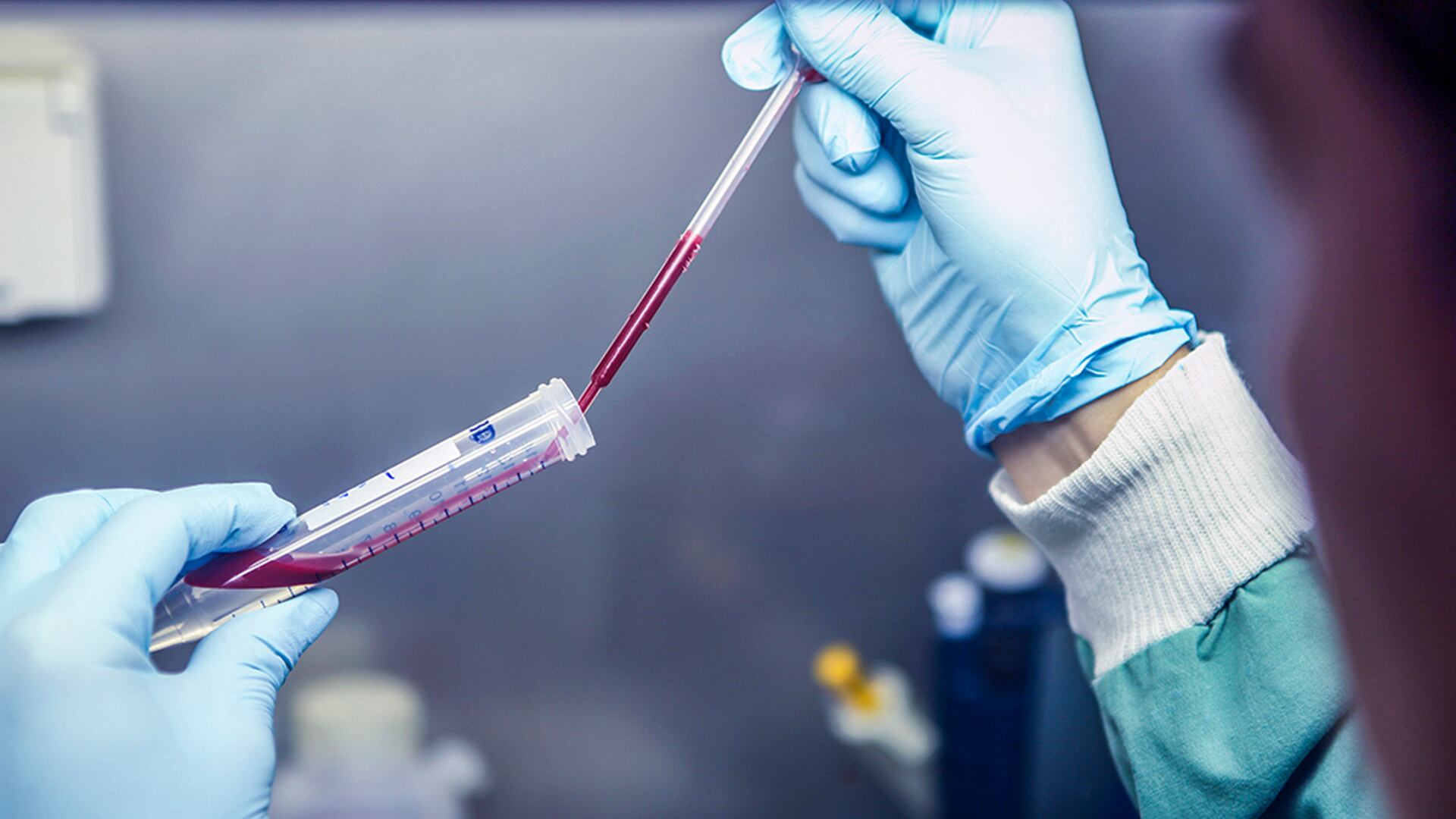
A visa medical examination is more than a routine health check. For many applicants, it is an important part of the immigration process, designed to assess specific health conditions and confirm that the required medical criteria have been addressed.
A Visa Blood Test Dubai may form one part of this assessment. Depending on the visa category and applicable medical rules, laboratory testing can be used to screen for selected infectious diseases or other conditions. Applicants may also need a physical examination, chest imaging, urine testing, vaccination records, or additional investigations.
Knowing what to expect can make the process much easier. This guide explains how visa blood testing fits into medical screening, what applicants may need to prepare, how results are interpreted, and what can happen if further testing is required.
The Role of Medical Screening in a Visa Application
Immigration medical screening is generally designed to address specific public health and medical requirements rather than provide a complete assessment of every aspect of a person's health.
The exact requirements vary according to the country, visa category, applicant's age, destination, and current immigration rules.
A medical examination may include several components, such as:
- Medical history
- Physical examination
- Blood tests
- Urine tests
- Chest imaging
- Tuberculosis screening
- Vaccination or immunization documentation
- Additional investigations when medically indicated
The purpose of each component is different. Blood testing, for example, can help identify certain infections or medical markers that cannot be assessed through a physical examination alone.
What Is a Visa Blood Test?
A visa blood test is a laboratory examination performed as part of an immigration medical assessment when blood testing is required.
A healthcare professional collects a blood sample, which is then analyzed for the markers specified by the relevant medical protocol.
Depending on the applicable requirements, testing may include screening for conditions such as HIV, hepatitis, or syphilis. Other blood investigations may be requested when required by the applicant's medical circumstances or immigration rules.
It is important to understand that there is no single universal "visa blood test." The tests included in an immigration medical examination depend on the specific requirements that apply to the applicant.
Which Health Conditions May Be Screened?
The conditions evaluated during visa medical screening vary by immigration program.
In some circumstances, blood testing may involve communicable disease screening.
HIV testing
HIV tests may detect antibodies, antigens, or viral genetic material depending on the testing method.
A screening result that is reactive may require additional testing before a final interpretation can be made.
Hepatitis testing
Hepatitis B and hepatitis C can involve different laboratory markers.
For hepatitis B, several markers may be assessed to distinguish current infection, previous exposure, or immunity.
For hepatitis C, an antibody screening test may be followed by additional testing when antibodies are detected.
Syphilis testing
Syphilis screening can involve treponemal and nontreponemal blood tests. If an initial screening result is reactive, additional evaluation may be required.
The presence of one laboratory marker does not always provide the complete medical picture, which is why healthcare professionals interpret results in context.
Why Are Blood Tests Used in Immigration Medical Screening?
Blood tests provide information that cannot always be obtained from symptoms or a physical examination.
Some infections may cause few or no noticeable symptoms, particularly during certain stages.
Laboratory testing can therefore identify specific biological markers even when an applicant feels completely healthy.
This is one reason medical screening can be useful in immigration processes: it evaluates specific health criteria using standardized medical methods rather than relying solely on how an applicant feels.
What Happens During the Blood Test?
The blood collection itself is usually straightforward.
A trained healthcare professional typically:
- Confirms the applicant's identity.
- Reviews the requested medical tests.
- Prepares the blood collection equipment.
- Cleans the skin.
- Collects the required blood sample.
- Labels the specimen.
- Sends it for laboratory analysis.
The procedure usually takes only a short time, although the overall medical appointment can take longer because blood testing may be only one part of the examination.
Some people experience brief discomfort or bruising at the collection site. Inform the healthcare professional if you feel faint or have previously had difficulty with blood collection.
Do You Need to Fast Before a Visa Blood Test?
Not necessarily.
Whether fasting is required depends on the specific blood tests included in the examination.
Many infectious disease screening tests do not require fasting. However, an immigration medical examination may sometimes include other laboratory investigations for which specific preparation could be recommended.
Do not assume that you need to fast unless the medical provider or appointment instructions tell you to do so.
If you are unsure, contact the clinic before your appointment and ask whether you can eat and drink normally.
How Should You Prepare for the Medical Examination?
Good preparation starts with checking the instructions provided by the authorized medical provider.
You may need to bring:
- Valid identification
- Appointment confirmation
- Visa or immigration documents
- Previous medical records when requested
- Vaccination records
- Prescription medication information
- Relevant specialist reports
- Glasses or contact lens information where applicable
Wear comfortable clothing and arrive with enough time to complete registration and medical procedures.
Most importantly, provide accurate information about your medical history.
Trying to hide a previous diagnosis or treatment can create unnecessary complications if medical records or follow-up testing later reveal relevant information.
Does Medication Affect a Visa Blood Test?
Most routine medications do not automatically prevent blood testing.
However, your healthcare provider should know about medicines, supplements, or ongoing treatments you are taking.
Whether a medication can influence a particular laboratory result depends on the test and the medication involved.
Do not stop prescribed medication simply because you have an upcoming visa medical examination unless a qualified healthcare professional specifically instructs you to do so.
Understanding the Window Period
The window period is particularly relevant when infectious disease testing is involved.
It refers to the period after infection or exposure when a particular test may not yet be able to reliably detect the relevant marker.
Different tests have different detection periods.
For example, HIV antigen and antibody testing does not have exactly the same detection characteristics as HIV nucleic acid testing.
If you have experienced a recent possible exposure to HIV, hepatitis, syphilis, or another infection, tell your healthcare provider.
They can determine whether the timing of testing matters and whether additional or repeat testing may be appropriate.
What Do Negative, Reactive, and Inconclusive Results Mean?
Laboratory terminology can be confusing, especially when applicants see words such as "reactive" or "inconclusive."
Negative
A negative result generally means that the marker being tested was not detected according to the laboratory's criteria.
This is usually reassuring for the specific condition being tested.
Reactive
A reactive screening result means that the test detected something requiring further evaluation.
It does not necessarily represent a confirmed diagnosis.
Inconclusive or indeterminate
An inconclusive result means that the available information does not allow a clear final classification.
The provider may request repeat or confirmatory testing.
The meaning of any result depends on the exact test performed, so applicants should avoid interpreting a single word without reviewing the complete report.
What Happens If a Result Is Reactive?
If a screening test is reactive, the next step may be confirmatory or supplemental testing.
The provider may:
- Request another blood sample
- Perform a different laboratory test
- Review previous medical records
- Assess relevant symptoms and medical history
- Request additional medical evaluation
This is a standard approach to screening. A preliminary reactive result should not automatically be treated as a final diagnosis.
For HIV, hepatitis, and syphilis testing, the follow-up pathway can differ because each condition uses specific testing algorithms.
What If the Result Is Inconclusive?
An inconclusive result generally means that additional information is needed.
Possible reasons include:
- Borderline laboratory values
- Technical issues
- Insufficient sample quality
- Biological variation
- A preliminary screening finding
- Testing during an early stage of infection
The medical provider may recommend repeat testing or a different test.
An inconclusive result does not automatically mean that an applicant has a medical condition or that the visa application will be rejected.
Can a Visa Blood Test Be Wrong?
No medical test is completely free from limitations.
False-positive and false-negative results can occur, although laboratory testing is designed to minimize these possibilities.
The accuracy of a test can be influenced by:
- Timing
- Test method
- Sample quality
- Laboratory procedures
- Biological factors
- Stage of infection
This is why confirmatory testing and professional interpretation are important when a screening result is unexpected.
How Long Do Visa Blood Test Results Take?
The time required to receive results varies.
Some laboratory tests can be processed relatively quickly, while specialized or confirmatory testing may require more time.
The overall medical assessment can also take longer if the provider needs additional examinations or documentation.
Instead of relying on a general turnaround time, ask the authorized medical clinic when your results or completed medical assessment are expected.
What Happens After the Medical Screening?
Once the required examination and laboratory testing are completed, the authorized medical provider reviews the available findings.
Depending on the applicable procedure, the provider may:
- Finalize the medical report
- Record required laboratory findings
- Request additional testing
- Submit medical information through the designated process
- Ask the applicant for further documentation
Completion of the medical examination does not necessarily mean the visa itself has been approved.
The medical assessment is one component of the broader immigration application.
Can Previous Medical Tests Be Used?
Sometimes applicants have recent blood tests or medical examinations and wonder whether they can submit those instead of undergoing new testing.
Whether previous results are accepted depends on the applicable immigration rules and the validity of the medical assessment.
A previous test may not satisfy a current requirement if it is outside the accepted validity period, uses a different testing method, or was not performed through the required medical process.
Keep previous reports available, but follow the instructions of the authorized medical provider.
Common Mistakes Applicants Should Avoid
A few simple mistakes can create unnecessary delays.
Assuming every visa requires the same tests
Medical requirements differ between immigration programs.
Fasting without instructions
Not every blood test requires fasting.
Ignoring recent exposure
Recent exposure can be important when infectious disease testing is involved.
Stopping medication unnecessarily
Do not change prescribed treatment without medical advice.
Interpreting a reactive result as a final diagnosis
Screening and confirmatory testing are different stages.
Relying on unofficial information
Always prioritize instructions from the authorized medical provider and relevant immigration authority.
Frequently Asked Questions
Is a visa blood test mandatory for everyone?
No. Requirements depend on the applicable immigration program, visa category, applicant circumstances, and current medical rules.
Can I eat before the test?
Often yes, particularly when only infectious disease screening is involved. However, follow the preparation instructions given by your medical provider.
Does a negative blood test mean the entire medical examination is clear?
Not necessarily. Other medical assessments may still be required.
What does a reactive result mean?
It generally means a screening test detected a marker requiring further investigation. It is not automatically a confirmed diagnosis.
Can recent infection be missed?
Depending on the disease and test, testing during the window period may affect detection. Discuss recent exposure with your healthcare provider.
Does a medical test result guarantee visa approval?
No. Medical screening is only one part of an immigration application.
Your Visa Medical Checklist
Before attending your appointment, make sure you have:
Documents: Bring identification, appointment information, and required immigration paperwork.
Medical history: Prepare relevant records, previous reports, and treatment information.
Vaccination records: Bring documentation if requested.
Medications: Know the names and doses of medicines you currently take.
Testing instructions: Confirm whether fasting or other preparation is required.
Recent exposure information: Tell the healthcare provider about relevant recent exposures.
Follow-up plan: Ask what happens if additional testing is required.
Final Takeaway
A visa blood Lab tests and medical screening are important components of the immigration medical process when required by the applicable visa rules. Blood testing can help screen for selected infections and other medical markers, while the wider examination may include physical assessment, imaging, urine testing, vaccination documentation, and additional investigations.
The key is to understand that there is no single universal visa blood test. The tests, preparation requirements, interpretation, and follow-up procedures depend on the specific medical protocol.
A negative result is generally reassuring for the condition tested. A reactive result may require confirmation, while an inconclusive result may lead to repeat or supplemental testing. None of these terms should be interpreted without considering the exact laboratory test and medical context.
For applicants, the best strategy is simple: follow the authorized medical provider's instructions, provide accurate health information, bring the required documents, and ask questions whenever a result is unclear.
Being prepared can make the medical screening process easier to navigate and help prevent avoidable delays in your immigration application.

 English
 Arabic
 French
 Portuguese
 Deutsch
 Turkish
 Dutch
Dutch
 Italiano
 Russian
 Romaian
 Portuguese (Brazil)
 Greek
Greek