
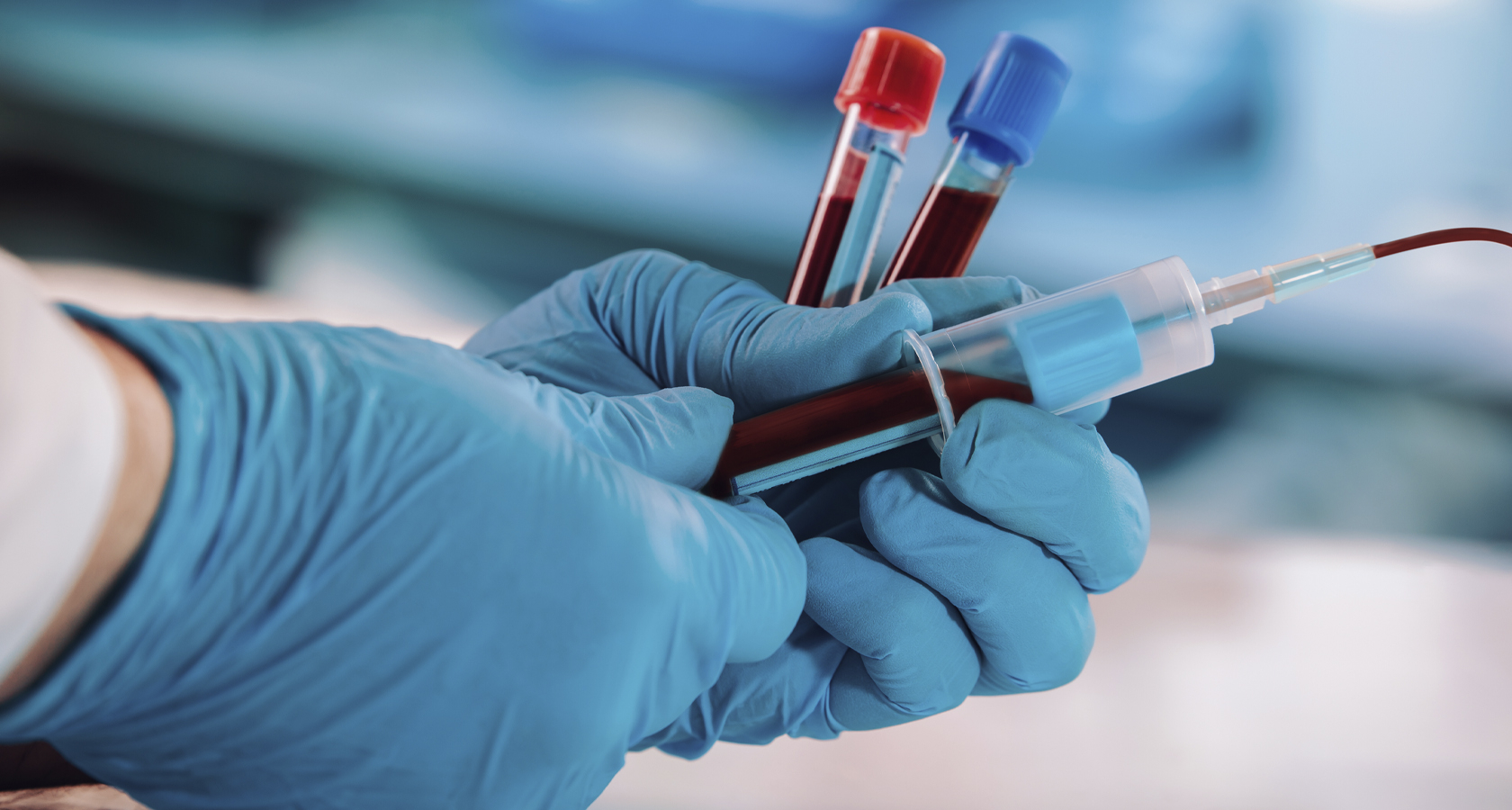
A full blood test for women can provide valuable information about several aspects of health, from blood cell levels and iron status to blood sugar, cholesterol, thyroid function, kidney health, and liver function. Because women can experience health changes related to menstruation, pregnancy, menopause, nutrition, and hormonal balance, certain blood markers may deserve particular attention at different stages of life.
It is important to understand that a Full Blood Test in Dubai is not one universal laboratory examination. The exact tests included depend on symptoms, age, medical history, medications, lifestyle, and individual risk factors.
Knowing what common blood tests measure can help women understand why particular investigations may be recommended and how laboratory results fit into a broader health assessment.
Why Blood Testing Matters for Women
Blood tests can help healthcare professionals investigate symptoms, monitor known conditions, assess treatment, and identify certain health risks.
For women, blood work may be useful when investigating concerns such as:
- Persistent fatigue
- Heavy menstrual bleeding
- Dizziness or weakness
- Changes in weight
- Hair loss
- Menstrual changes
- Symptoms associated with thyroid disorders
- Nutritional deficiencies
- High blood sugar
- Abnormal cholesterol
- Liver or kidney concerns
Blood testing can also be part of preventive healthcare when particular screening tests are appropriate.
However, not every woman needs every available blood test. The most useful approach is to select investigations according to individual needs.
The Complete Blood Count: A Key Starting Point
One of the most commonly requested tests is the complete blood count, or CBC.
It evaluates important blood components, including red blood cells, white blood cells, hemoglobin, hematocrit, and platelets.
Red Blood Cells and Hemoglobin
Red blood cells transport oxygen throughout the body, while hemoglobin is the protein responsible for carrying that oxygen.
A low hemoglobin level may indicate anemia.
Anemia can be particularly relevant for women who experience heavy menstrual bleeding because repeated blood loss can contribute to iron deficiency.
Possible symptoms include fatigue, weakness, dizziness, headaches, pale skin, and reduced exercise tolerance.
A CBC can identify anemia, but it may not explain its underlying cause. Additional tests such as ferritin and iron studies may be needed.
White Blood Cells
White blood cells are involved in immune defense.
A CBC measures the overall white blood cell count, while a differential can provide information about specific white blood cell types.
Abnormal levels can occur for many reasons, including infections, inflammation, medications, immune conditions, and other health problems.
A blood count alone cannot determine the exact cause of an abnormal result.
Platelets
Platelets help the blood form clots.
A platelet count that is unusually low or high may require further assessment, particularly when a person experiences unusual bruising, prolonged bleeding, or other relevant symptoms.
Iron Status Is Especially Important to Consider
Iron deficiency is a common nutritional concern and can be associated with blood loss, inadequate dietary intake, increased requirements, or impaired absorption.
For women with fatigue or suspected anemia, healthcare professionals may request ferritin and iron studies alongside a CBC.
Ferritin reflects the body's stored iron, although inflammation and other factors can affect its interpretation.
Other measurements may include serum iron, transferrin, total iron-binding capacity, and transferrin saturation.
If iron deficiency is confirmed, identifying the reason is important rather than simply focusing on replacing iron.
Vitamin B12 and Folate
Vitamin B12 and folate are essential for healthy red blood cell production and normal cellular function.
Low levels can contribute to certain types of anemia and may be associated with fatigue, weakness, or difficulty concentrating.
Vitamin B12 deficiency can also affect the nervous system, potentially causing numbness, tingling, balance problems, or other neurological symptoms.
Women following restrictive diets, experiencing certain digestive conditions, or having other risk factors may require targeted assessment when clinically appropriate.
Vitamin D and Bone Health
Vitamin D helps the body absorb calcium and plays an important role in bone and muscle health.
A blood test called 25-hydroxyvitamin D can be used to assess vitamin D status.
Testing is not necessarily required for every woman during routine blood work. It may be considered when there are relevant symptoms, nutritional concerns, bone health issues, or specific risk factors.
Bone health becomes particularly important as women age, especially around and after menopause, when changes in estrogen levels can contribute to changes in bone density.
Blood tests can provide nutritional and metabolic information, but bone density itself is assessed using different methods when indicated.
Blood Sugar and Diabetes Risk
Blood glucose testing can help evaluate blood sugar regulation.
Depending on the circumstances, a healthcare professional may request fasting glucose, random glucose, or HbA1c.
HbA1c estimates average blood glucose levels over approximately the previous two to three months.
Diabetes screening decisions can depend on age, weight, family history, previous blood glucose results, pregnancy history, and other risk factors.
Women who have had diabetes during pregnancy may also require appropriate follow-up because gestational diabetes can be associated with a higher future risk of type 2 diabetes.
Cholesterol and Cardiovascular Health
Heart disease is an important health concern for women, and cholesterol testing can contribute to cardiovascular risk assessment.
A lipid profile may include:
- Total cholesterol
- LDL cholesterol
- HDL cholesterol
- Triglycerides
LDL cholesterol is associated with plaque formation in arteries when levels remain elevated, while HDL cholesterol participates in cholesterol transport.
Triglycerides are another form of blood fat influenced by metabolic health, diet, medications, and other factors.
Cholesterol results should be interpreted alongside blood pressure, age, smoking status, diabetes risk, family history, and other cardiovascular factors.
Thyroid Function and Hormonal Health
The thyroid gland produces hormones that influence metabolism, energy use, body temperature, and several other body processes.
A common initial thyroid blood test is TSH, or thyroid-stimulating hormone.
Depending on symptoms and initial findings, free T4 and other thyroid investigations may be considered.
Thyroid problems can affect women in different ways.
An underactive thyroid may be associated with fatigue, cold sensitivity, constipation, dry skin, menstrual changes, and weight gain.
An overactive thyroid may cause sweating, heat intolerance, rapid heartbeat, anxiety, and unexplained weight loss.
These symptoms can have many causes, so thyroid testing should be interpreted within the broader clinical picture.
Kidney Function: Markers Worth Understanding
Kidneys filter waste products from the blood and help maintain fluid and electrolyte balance.
Common blood markers used to assess kidney function include creatinine and estimated glomerular filtration rate, or eGFR.
Electrolytes such as sodium and potassium may also be measured.
Kidney testing can be particularly relevant for women with certain chronic conditions, high blood pressure, diabetes, medication-related risks, or symptoms that raise concern about kidney function.
Blood results may be combined with urine testing when a more complete kidney assessment is needed.
Liver Function Tests
The liver plays a major role in metabolism, nutrient processing, protein production, and the handling of various substances.
Common liver-related blood tests include:
- ALT
- AST
- Alkaline phosphatase
- GGT
- Bilirubin
- Albumin
These markers provide different types of information.
Elevated liver enzymes can have numerous possible explanations, including medication effects, infections, metabolic conditions, alcohol use, and liver disorders.
An abnormal result does not automatically mean that a person has liver disease. Further evaluation may be needed to understand its significance.
Electrolytes and Mineral Levels
Electrolytes help regulate fluid balance, nerve function, and muscle activity.
Common measurements include sodium, potassium, calcium, and bicarbonate.
Abnormal electrolyte levels can sometimes contribute to symptoms such as weakness, muscle cramps, confusion, or changes in heart rhythm.
Healthcare professionals may request electrolyte testing when evaluating dehydration, kidney problems, medication effects, or certain chronic conditions.
Blood Tests During Different Life Stages
A woman's health needs can change throughout adulthood.
During the Reproductive Years
Menstrual blood loss can make iron status particularly relevant for women with heavy or prolonged periods.
Pregnancy also changes nutritional, metabolic, and blood-related requirements. Prenatal testing is therefore tailored to pregnancy and is not simply the same as routine adult blood work.
During Perimenopause
Hormonal changes can produce symptoms such as irregular periods, hot flashes, sleep changes, and mood changes.
Some symptoms overlap with thyroid disorders, anemia, and other conditions, so targeted testing may sometimes be useful.
After Menopause
Cardiovascular and bone health become increasingly important considerations. Depending on individual risk, healthcare professionals may assess blood glucose, cholesterol, kidney function, vitamin status, and other relevant markers.
There is no single blood panel that every woman needs at a particular age.
When Should Women Consider Blood Testing?
Blood testing may be appropriate when:
- Symptoms persist without an obvious explanation.
- Previous results were abnormal.
- A chronic condition requires monitoring.
- A medication requires laboratory surveillance.
- There are specific nutritional concerns.
- A healthcare professional recommends screening based on risk.
- A treatment needs to be monitored.
Symptoms such as ongoing fatigue, unusual bleeding, unexplained weight changes, persistent weakness, or significant changes in menstrual patterns deserve appropriate medical assessment rather than self-diagnosis based solely on blood tests.
How to Prepare for a Full Blood Test
Preparation depends on which investigations have been ordered.
A CBC generally does not require fasting, but some glucose and lipid tests may have specific preparation requirements.
Before testing:
- Follow any fasting instructions provided.
- Drink water unless instructed otherwise.
- Tell the healthcare team about prescription medicines.
- Mention vitamins and supplements.
- Ask whether regular medication should be taken before testing.
- Bring previous laboratory reports when relevant.
Do not stop prescribed medication unless your healthcare professional specifically tells you to do so.
How to Understand Your Results
Laboratory reports typically display your result alongside a reference range.
A result outside the reference range does not automatically mean that you have a disease.
For example, a low hemoglobin level may indicate anemia, but additional information is needed to determine the likely cause.
Likewise, a mildly elevated liver enzyme can occur for several reasons and may need to be interpreted alongside other liver markers and your medical history.
Healthcare professionals look at patterns, trends, symptoms, and risk factors, rather than relying on one isolated number.
Are All Blood Tests Necessary?
No.
Ordering every possible test can produce confusing findings that may not have meaningful clinical significance.
A targeted approach is generally more useful.
For example, a woman with heavy menstrual bleeding may benefit from a CBC and iron studies, while someone with symptoms suggesting a thyroid disorder may require thyroid function testing.
Another woman may need lipid and glucose assessment because of cardiovascular or metabolic risk factors.
The appropriate blood test is the one that addresses a relevant health question.
How Often Should Women Have a Full Blood Test?
There is no universal schedule.
A healthy woman without symptoms or significant risk factors may not need a comprehensive blood panel every year.
Women with chronic conditions, abnormal previous results, specific medications, nutritional deficiencies, or persistent symptoms may require more frequent monitoring.
The frequency should be determined according to individual health needs and the purpose of the test.
Frequently Asked Questions
Can a full blood test detect anemia?
A CBC can identify anemia by evaluating measurements such as hemoglobin and hematocrit. Additional testing, including ferritin and iron studies, may help identify the underlying cause.
Can blood tests check hormone levels?
Some hormones can be measured through blood testing, but hormone testing is not automatically required as part of a routine full blood test. The appropriate hormones depend on symptoms and the clinical question.
Can a blood test detect vitamin deficiencies?
Certain nutritional deficiencies can be assessed through targeted blood tests, including vitamin B12, folate, and vitamin D. Testing should be based on individual circumstances.
Is fasting always required?
No. Whether fasting is necessary depends on the specific tests ordered. Always follow the instructions provided by your healthcare professional or laboratory.
Final Takeaway
A full blood Lab tests for women can involve several investigations designed to assess different areas of health. A complete blood count can provide information about hemoglobin, red blood cells, white blood cells, and platelets, while additional tests may evaluate iron status, vitamin levels, blood sugar, cholesterol, thyroid function, kidney health, liver function, and electrolytes.
Certain markers may be especially relevant at particular stages of life. Menstrual blood loss can make iron status important for some women, pregnancy creates specialized testing needs, and menopause can change the focus toward cardiovascular and bone health.
However, comprehensive testing does not mean testing everything. The most useful laboratory assessment is one selected according to your symptoms, medical history, medications, age, and individual risk factors.
If you are considering a full blood test or have questions about unusual symptoms or previous results, discuss them with a qualified healthcare professional. They can determine which tests are appropriate and explain what your results mean in the context of your overall health.

 English
 Arabic
 French
 Spanish
 Portuguese
 Turkish
 Dutch
Dutch
 Italiano
 Russian
 Romaian
 Portuguese (Brazil)
 Greek
Greek