
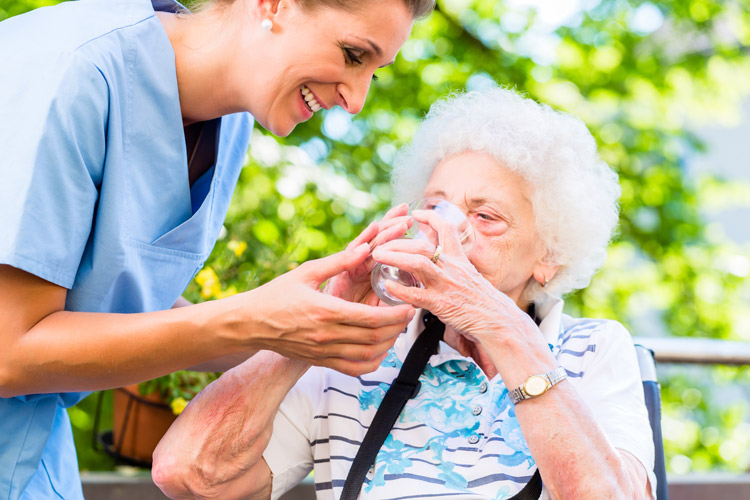
Loneliness and social isolation can significantly affect the emotional well-being and overall quality of life of older adults, particularly those who spend most of their time at home. Physical limitations, retirement, loss of friends or loved ones, and reduced mobility can make regular social interaction more difficult. Elderly Home Care in Dubai can provide seniors with practical assistance while also supporting meaningful social engagement in a familiar environment. Healthcare options such as Doctor at Home can make professional support more convenient for older adults who have difficulty traveling. Alongside healthcare and personal assistance, families and caregivers can take simple steps to help seniors stay connected, active, and emotionally supported.
Understanding Loneliness and Social Isolation:
Loneliness and social isolation are related but different experiences. Social isolation generally refers to having limited contact with family, friends, or the wider community, while loneliness describes the personal feeling of lacking meaningful connection. A senior may have people around them but still feel lonely if interactions are limited or do not provide emotional fulfillment. Older adults may become socially isolated after retirement, relocation, the death of a spouse or friends, or changes in mobility. Hearing or vision difficulties can also make conversations more challenging. Recognizing these factors helps families develop a supportive approach that focuses not only on increasing contact but also on creating meaningful relationships and activities.
Recognizing Signs of Loneliness in Seniors:
Loneliness may not always be openly expressed. Some older adults may hesitate to tell family members that they feel isolated because they do not want to appear dependent or become a burden. Caregivers can pay attention to changes in behavior, routines, and mood. Potential signs may include:
- Reduced interest in previously enjoyable activities
- Spending unusually long periods alone
- Less frequent communication with family or friends
- Changes in sleeping or eating habits
- Increased sadness, irritability, or anxiety
- Loss of motivation for everyday activities
- Frequently expressing boredom or having nothing to look forward to
- Becoming increasingly withdrawn during conversations
These signs do not necessarily mean that loneliness is the only cause. Persistent or concerning emotional or behavioral changes should be discussed with an appropriate healthcare professional.
Maintain Regular Contact With Family:
Regular communication can help seniors feel remembered, valued, and connected to their loved ones. Family members can establish predictable times for phone calls, video chats, or visits. Even short conversations can make a difference when they occur consistently. Relatives who live far away can use video calls to create more personal interaction, while family members living nearby can arrange shared meals or regular visits. Conversations should focus on the senior's interests rather than only discussing health concerns or household responsibilities. Asking about memories, hobbies, opinions, and current interests can encourage seniors to participate actively in conversations and strengthen family relationships.
Encourage Meaningful Daily Activities:
Having enjoyable activities to anticipate can make each day feel more purposeful. Seniors should be encouraged to continue hobbies they have enjoyed throughout life or explore new interests that match their abilities. Activities can be adapted to the home environment and individual preferences. Suitable options may include:
- Reading books, newspapers, or magazines
- Listening to music or radio programs
- Gardening or caring for indoor plants
- Painting, knitting, crafts, or other creative hobbies
- Completing puzzles or playing board games
- Watching favorite films or television programs together
- Cooking simple meals with a caregiver
- Writing memories, stories, or letters to family members
The goal is to create genuine enjoyment rather than filling time with activities that the senior does not find meaningful.
Provide Opportunities for Companionship:
Companionship can be especially valuable for seniors who spend much of the day alone. A trusted caregiver, family member, friend, or companion can provide conversation and participate in everyday activities. Companionship does not always require elaborate outings; sitting together over tea, discussing the news, listening to music, or taking a safe walk can create meaningful social interaction. A consistent companion can also provide emotional reassurance and help seniors maintain a sense of routine. When selecting a caregiver or companion, families should consider personality, communication style, interests, patience, and the senior's preferences. A comfortable relationship can encourage seniors to become more socially engaged.
Encourage Safe Community Participation:
When mobility and health allow, community involvement can provide valuable opportunities for social interaction. Seniors may enjoy attending community centers, hobby groups, cultural events, educational programs, or other suitable activities. Religious or cultural gatherings can also provide a familiar social environment for individuals who enjoy participating in them. Transportation may be a barrier for some older adults, so families and caregivers can help arrange safe transportation when necessary. For seniors who cannot leave home easily, virtual community groups and online activities can provide an alternative. Participation should always reflect the senior's interests rather than becoming an obligation.
Use Technology to Stay Connected:
Technology can help bridge physical distance between seniors and their families. Smartphones, tablets, and computers can provide access to video calls, messaging, online communities, entertainment, and educational resources. Seniors who are unfamiliar with technology may need patient guidance when learning how to use these tools. Families can simplify devices by setting up frequently used contacts and applications in easily accessible locations. Regular practice can help seniors become more confident. Technology should complement face-to-face interaction rather than completely replace it. When used appropriately, however, it can provide another convenient way for seniors to maintain relationships.
Create a Social Routine at Home:
A structured social routine can make interaction a natural part of everyday life. Instead of relying on occasional visits, families can schedule regular activities such as morning calls, weekly family meals, afternoon hobbies, or evening conversations. Predictability can give seniors something positive to anticipate. Caregivers can incorporate social interaction into everyday tasks by talking during meals, discussing household decisions, or participating in hobbies together. A routine should remain flexible and personalized, allowing seniors to rest when needed. The objective is to create regular opportunities for connection without making the senior feel pressured.
Encourage Physical Activity and Outdoor Time:
Appropriate physical activity can support both physical and emotional well-being. Depending on individual abilities and healthcare recommendations, seniors may benefit from walking, gentle stretching, chair exercises, gardening, or other suitable movement. Outdoor time can provide a change of scenery and create opportunities for social interaction. A short walk with a family member or caregiver may offer both movement and companionship. Seniors with balance, mobility, or medical concerns should follow appropriate professional guidance and use recommended support. Making physical activity a shared experience can make it more enjoyable and help turn it into a sustainable part of the daily routine.
Support Independence and Personal Choice:
Helping seniors remain independent can positively influence their emotional well-being. Social support should not mean taking control of every aspect of their daily lives. Older adults should be encouraged to make reasonable choices about their schedules, meals, hobbies, visitors, and communication preferences. Caregivers can offer assistance while allowing seniors to complete appropriate activities themselves. Giving seniors opportunities to make decisions can reinforce confidence and dignity. Families should ask what type of social interaction the senior actually enjoys because some people prefer frequent visits, while others may value smaller, quieter interactions.
Strengthen Relationships Through Shared Memories:
Memory-sharing can be a meaningful way to connect with older adults. Family members can ask seniors about childhood experiences, careers, traditions, travel, family history, or memorable events. Looking through photographs, listening to familiar music, or preparing traditional meals can encourage conversation. These activities can help seniors feel that their experiences and knowledge are valued. Younger family members may also benefit from learning about family history and traditions. Shared memories can therefore create meaningful connections between generations while giving seniors opportunities to contribute stories and perspectives.
Know When Professional Support May Be Needed:
Loneliness can sometimes occur alongside depression, anxiety, cognitive changes, or other health concerns. Families should avoid assuming that persistent withdrawal is simply a normal part of aging. If a senior shows significant changes in mood, behavior, appetite, sleep, communication, or daily functioning, professional evaluation may be appropriate. Healthcare professionals can help identify potential underlying issues and recommend suitable support. Home-based healthcare can also be considered when traveling to a healthcare facility presents difficulties. Professional care should complement, rather than replace, family connection and meaningful companionship.
Build a Supportive Care Network:
A strong support network can help ensure that seniors do not become disconnected from the people and activities that matter to them. Families can coordinate responsibilities so that social contact does not depend entirely on one person. A care plan may include family visits, caregiver companionship, community activities, healthcare appointments, and regular communication. Keeping everyone informed about the senior's preferences can help create more consistent support. The senior should remain involved in these decisions whenever possible. A coordinated approach can provide practical assistance while also addressing the emotional and social dimensions of aging at home.
Final Thoughts:
Managing loneliness and social isolation requires more than simply increasing the amount of time seniors spend around other people. Meaningful conversations, regular family contact, companionship, enjoyable hobbies, community involvement, appropriate physical activity, and opportunities for independence can all contribute to a stronger sense of connection. Families supporting Elderly Home Care in Dubai should consider emotional and social well-being alongside physical and medical needs. By creating a consistent support network and respecting each senior's individual preferences, caregivers can help older adults feel valued, connected, and more confident while continuing to enjoy life in the comfort of home.

 English
 Arabic
 French
 Spanish
 Deutsch
 Turkish
 Dutch
Dutch
 Italiano
 Russian
 Romaian
 Portuguese (Brazil)
 Greek
Greek