
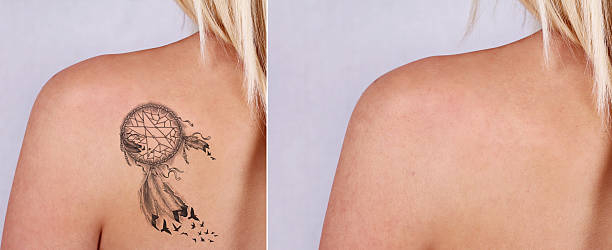
Tattoos placed on delicate or easily irritated areas can require more careful preparation before Tattoo Removal in Dubai. Skin sensitivity, recent sun exposure, tattoo location, pigment density, and previous reactions can all influence how treatment should be approached.
Sensitive skin does not automatically mean laser tattoo removal is unsuitable. The important consideration is whether the skin is healthy enough for treatment and whether the laser parameters can be selected appropriately for the individual tattoo and skin characteristics.
What Makes Skin Sensitive During Tattoo Removal
Sensitivity can mean different things from person to person.
Some people naturally have skin that becomes irritated easily. Others may have a temporary sensitivity caused by sun exposure, recent cosmetic treatments, dryness, shaving, friction, or an existing skin problem.
The treatment area may also be considered sensitive because of its anatomical location.
A professional assessment should distinguish between naturally sensitive skin and skin that is currently compromised.
Sensitive Skin Versus Compromised Skin
These two situations should not be treated as identical.
A person may have sensitive skin that is otherwise healthy and suitable for treatment. Another person may have redness, irritation, an active rash, an infection, or damaged skin in the tattooed area.
Laser treatment should be considered according to the current condition of the skin rather than simply labeling someone as having “sensitive skin.”
Areas That May Need Additional Consideration
Certain locations can require more attention because of thin skin, frequent movement, friction, visibility, or exposure.
Examples can include:
- Neck
- Wrist
- Hands
- Fingers
- Ankles
- Feet
- Areas near joints
- Areas frequently exposed to clothing friction
- Skin that is regularly exposed to sunlight
The exact suitability of treatment depends on the individual rather than the location alone.
Skin Assessment Before Treatment
Before treating a sensitive area, the practitioner should examine the tattoo and surrounding skin.
The assessment may consider:
- Current skin tone
- Recent tanning
- Skin dryness
- Redness or irritation
- Tattoo pigment density
- Ink colors
- Tattoo depth
- Previous tattoo-removal treatments
- Scarring
- Pigmentation changes
- Desired treatment outcome
This information helps establish whether treatment can proceed and how conservative the initial approach may need to be.
Why Laser Parameters Matter
Laser tattoo removal is not performed using identical settings for every patient.
Parameters can be adjusted according to factors such as tattoo pigment, skin characteristics, treatment area, and previous response.
Using excessive energy simply because the tattoo is difficult to remove can increase the risk of unwanted skin reactions.
A controlled approach focuses on targeting pigment while respecting the surrounding skin.
Sensitive Skin Treatment Factors
| Factor | Why It Matters | Treatment Consideration |
|---|---|---|
| Skin sensitivity | Irritation may occur more easily | Conservative assessment may be appropriate |
| Tattoo color | Pigments respond differently to laser wavelengths | Technology should match the pigment |
| Skin tone | Pigmentation changes can be more noticeable in some skin types | Parameters should be individualized |
| Recent tanning | Can increase pigmentation-related concerns | Treatment may need to be delayed |
| Tattoo density | Dense pigment may require progressive treatment | Avoid assuming stronger is better |
| Previous reactions | Earlier complications may influence future decisions | Treatment history should be reviewed |
| Body location | Friction and movement can affect recovery | Aftercare should reflect the location |
| Current skin condition | Irritated or damaged skin may need recovery | Treat only when clinically appropriate |
Tattoos Near Thin or Delicate Skin
Some tattoo locations have relatively delicate skin or are exposed to repeated movement.
The neck, wrist, fingers, and certain areas around joints are examples where treatment planning should consider more than pigment alone.
The practitioner needs to account for the surrounding skin and how the area will behave during recovery.
This does not necessarily mean the treatment must be more painful or require more sessions. It means the treatment should be individualized.
Tattoos on the Neck
Neck tattoos can be particularly sensitive from a practical perspective because the area is highly visible and receives regular environmental exposure.
Patients may be concerned about temporary redness, swelling, or other visible reactions after treatment.
Sun exposure can also be relevant.
Because the neck may remain uncovered during daily activities, patients should discuss their outdoor routine and sun-protection strategy before treatment.
Tattoos Around the Wrist
The wrist moves constantly during normal daily activities.
Watch straps, bracelets, sleeves, desk surfaces, and other objects can also create friction.
After laser treatment, minimizing unnecessary rubbing can make recovery more manageable.
Patients should consider these practical factors before scheduling an appointment, particularly if their work involves repetitive wrist movement.
Finger and Hand Tattoos
Hands and fingers are exposed to frequent washing, environmental contact, sunlight, and movement.
This makes post-treatment protection more challenging.
Patients with tattoos in these areas should discuss their work and daily routine with the practitioner.
Outdoor workers may have greater difficulty avoiding UV exposure, while people working with their hands may need to consider friction and repeated contact with surfaces.
Tattoo Removal Near Joints
Skin around joints can experience frequent stretching and bending.
If a tattoo is positioned over or close to an elbow, knee, ankle, or wrist, normal movement can influence how the treated area feels during recovery.
The treatment itself may still be appropriate, but aftercare planning should account for daily movement.
If a patient's routine involves repeated pressure or friction over the tattoo, the timing of treatment may need additional consideration.
Sun Exposure and Sensitive Skin in Dubai
Dubai's intense sunlight makes sun exposure especially relevant for laser-treated skin.
Recent tanning can affect the condition of the skin and may increase the likelihood of unwanted pigmentation changes.
This is particularly important for tattoos located on exposed areas such as the hands, forearms, shoulders, neck, and lower legs.
Patients should tell their practitioner about recent outdoor exposure rather than assuming that a tan will not affect treatment planning.
Scheduling Around Outdoor Activities
If you have a beach holiday, outdoor event, sports activity, or extended travel planned, mention it during consultation.
A treatment appointment immediately before prolonged sun exposure may not be practical.
Planning sessions around your lifestyle can make it easier to follow the recommended recovery and sun-protection instructions.
Dry Skin and Indoor Air Conditioning
Dubai's air-conditioned indoor environments can contribute to dryness.
Sensitive skin may feel particularly uncomfortable when it is already dry or irritated.
After treatment, follow the recommended skin-care routine and avoid adding strong exfoliating products or unapproved treatments.
The objective is to minimize unnecessary irritation while the skin recovers.
What Treatment May Feel Like
Laser tattoo removal can produce brief sensations of snapping, heat, or discomfort.
The exact experience varies according to the tattoo, treatment area, laser settings, and individual sensitivity.
Cooling measures may be used where appropriate to improve comfort.
Patients with sensitive skin should discuss their concerns before treatment rather than assuming that discomfort will be identical to someone else's experience.
What the Skin May Look Like Afterwards
Temporary reactions can include:
- Redness
- Swelling
- Tenderness
- Temporary whitening
- Small blisters
- Crusting
- Temporary pigmentation changes
The exact reaction varies.
A sensitive area may feel uncomfortable for a period after treatment, so patients should follow the specific aftercare instructions provided by their practitioner.
Why Picking the Skin Can Be a Problem
Blisters or crusts should not be deliberately removed.
Picking or scratching can interfere with normal healing and may increase the risk of scarring or pigmentation changes.
This is particularly important when treating highly visible areas where patients may be tempted to accelerate the appearance of normal recovery.
Allowing the skin to heal according to professional guidance is safer than manipulating it.
Choosing Products for Recently Treated Skin
Recently treated skin may be more reactive than normal.
Do not assume that every cosmetic or skincare product is appropriate for the treatment area.
Strong acids, retinoids, exfoliating products, fragrances, or other potentially irritating products may need to be avoided temporarily depending on the practitioner's instructions.
Use only the aftercare products and routines recommended for your treatment.
Can Sensitive Skin Change the Treatment Timeline
Potentially, yes.
The number and spacing of sessions depend on tattoo characteristics, treatment response, and skin recovery.
If the skin requires additional recovery time, the next session may be postponed.
This is not necessarily a sign that treatment is unsuccessful. Skin recovery is part of responsible treatment planning.
Sensitive Skin Does Not Mean Immediate Treatment Is Always Appropriate
A consultation should determine whether the skin is currently suitable.
Treatment may need to be delayed if there is:
- Active irritation
- Infection
- Significant sunburn
- Recent tanning
- Open skin
- Unusual inflammation
- A healing cosmetic procedure
- Other clinically concerning changes
Treating compromised skin simply to maintain a schedule is generally not a sensible approach.
Previous Reactions Should Be Taken Seriously
If you have previously experienced severe redness, blistering, pigmentation changes, prolonged irritation, or other unexpected reactions after laser treatment, tell the practitioner.
This information can influence how the next treatment is considered.
Do not assume that a previous reaction should simply be tolerated again.
A fresh assessment can help determine whether the same approach remains appropriate.
When a Test Spot May Be Considered
Depending on the tattoo, skin characteristics, pigment, and clinical circumstances, a practitioner may consider a test area before broader treatment.
A test spot can provide information about how the skin and pigment respond to selected parameters.
It is not a universal requirement for every tattoo-removal treatment, so the decision should be made by the treating professional.
Sensitive Skin and Darker Skin Tones
People with darker skin tones can undergo laser treatments, but pigmentation considerations may require particular attention.
Laser energy can interact with melanin as well as tattoo pigment. Appropriate technology and parameter selection are therefore important.
Recent tanning can further change the skin's response.
The practitioner should assess the current skin tone rather than relying only on a general skin-type label.
Avoid DIY Treatment on Sensitive Areas
Home tattoo-removal methods can be especially risky on delicate skin.
Chemical products, abrasive techniques, and unregulated laser devices can cause burns, irritation, scarring, and pigmentation changes.
Damage to the skin can make subsequent professional treatment more difficult.
If the tattoo is already located on sensitive skin, professional assessment is preferable to experimenting with aggressive home methods.
Planning Your Recovery
Before the appointment, consider how the treated area fits into your normal routine.
Think about:
- Clothing
- Work requirements
- Exercise
- Swimming
- Sun exposure
- Frequent washing
- Friction
- Travel
- Outdoor activities
For example, treating a hand immediately before a period of intensive manual work may be inconvenient, while treating a neck tattoo before an important public-facing event may create unwanted visibility during recovery.
Questions to Ask Before Treatment
Patients with sensitive skin may want to discuss:
- Is my skin currently suitable for laser treatment?
- Does my skin sensitivity change the treatment approach?
- Which laser technology is appropriate for my tattoo?
- Should recent sun exposure affect my appointment?
- What temporary reactions should I expect?
- How should I protect the treated area?
- Which skincare products should I avoid?
- How long should I allow for recovery?
- Should a test spot be considered?
- What symptoms would require professional assessment?
Recognizing Unusual Reactions
Some redness, swelling, tenderness, or crusting can occur after laser treatment.
However, severe or worsening pain, spreading redness, pus, fever, extensive blistering, or other unusual symptoms should be discussed promptly with the treating professional.
Do not attempt to manage significant reactions with unverified home treatments.
Setting Realistic Expectations
Sensitive skin does not automatically mean slower tattoo fading, and a difficult skin area does not guarantee an unsuccessful result.
The response depends on the interaction between the tattoo pigment, laser treatment, skin characteristics, and individual healing.
Multiple treatment stages are often needed, and no responsible provider can guarantee complete removal or a fixed number of sessions for every tattoo.
The Strategic Investment in Tattoo Removal in Dubai
When a tattoo is close to sensitive or delicate skin, thoughtful assessment becomes more important than simply choosing an aggressive treatment. Evaluating the skin condition, tattoo pigment, treatment history, sun exposure, and recovery requirements can help create a safer and more individualized approach.
Tajmeels Clinic can assess the tattoo and surrounding skin and discuss whether a tailored removal strategy is appropriate for your particular treatment area.

 English
 Arabic
 French
 Spanish
 Portuguese
 Deutsch
 Turkish
 Dutch
Dutch
 Italiano
 Russian
 Romaian
 Greek
Greek