
A chronic runny nose and frequent sneezing can become frustrating when they continue for weeks or keep returning without an obvious reason. You may notice symptoms after waking up, while cleaning the house, during certain seasons, around pets, or even when there is no clear trigger.
Allergies are one possible explanation, particularly allergic rhinitis, but they are not the only cause. Colds, irritants, non-allergic rhinitis, sinus problems, changes in weather, and other conditions can produce similar symptoms.
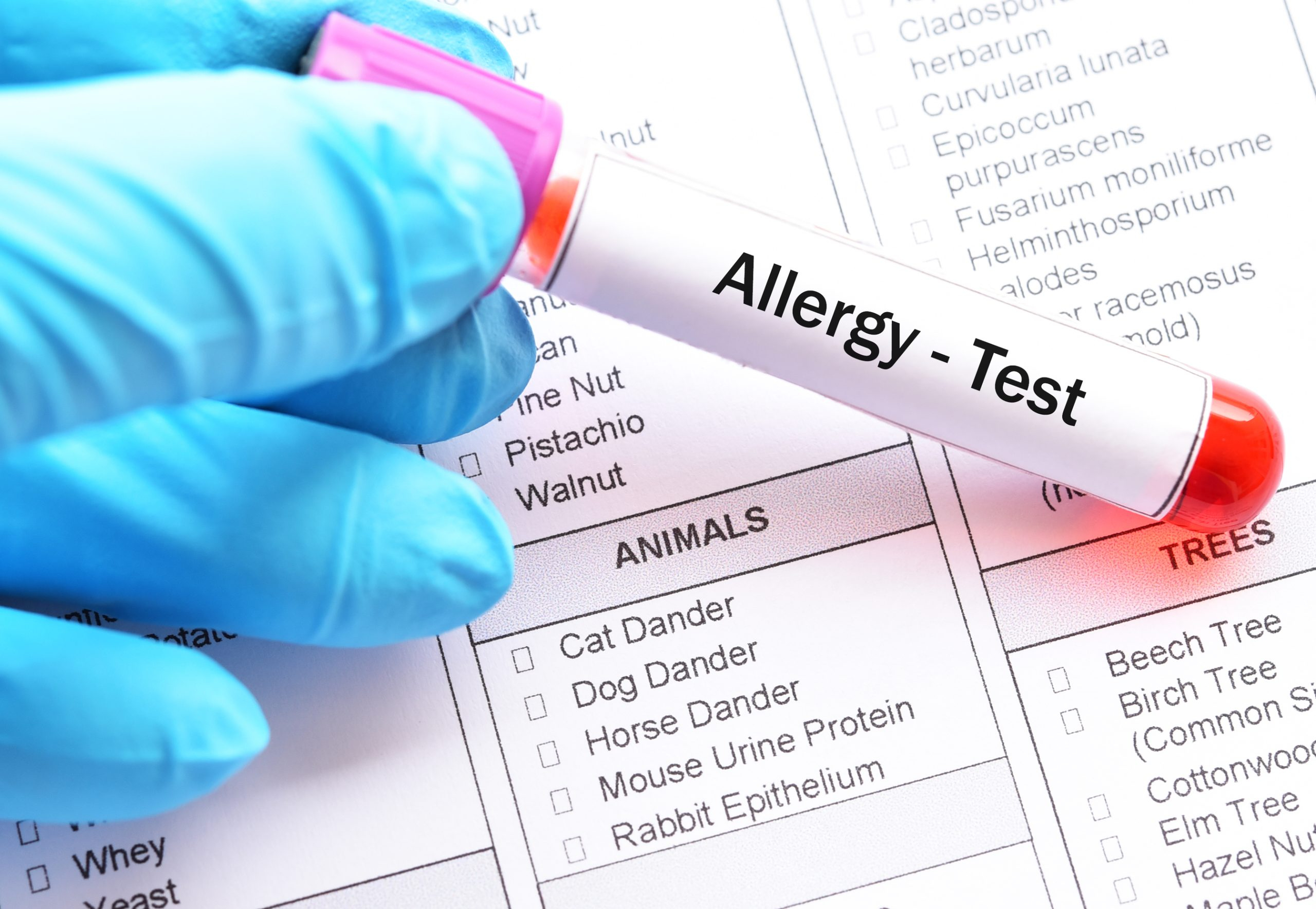
An Allergy Test in Dubai for a runny nose and sneezing may be recommended when your symptoms suggest an allergic trigger. Knowing when testing is useful can help you avoid unnecessary testing while making sure persistent symptoms receive appropriate attention.
When a Runny Nose Becomes More Than an Occasional Problem
An occasional runny nose is usually not enough by itself to suggest an allergy.
The situation becomes more relevant when symptoms are persistent, recurrent, or closely associated with particular environments or exposures.
You may notice:
-
Frequent sneezing
-
Clear, watery nasal discharge
-
Nasal congestion
-
An itchy nose
-
Itchy or watery eyes
-
Postnasal drainage
-
Symptoms that repeatedly return during certain seasons
-
Symptoms that worsen around dust, pets, or outdoor allergens
A consistent pattern can provide an important clue that an environmental allergy may be contributing to your symptoms.
The First Question: Does Your Pattern Look Allergic?
Before ordering an allergy test, a healthcare professional may look at when and where your symptoms occur.
For example, symptoms that become worse every spring may raise suspicion of pollen allergy. Sneezing and nasal congestion that occur when cleaning dusty areas may suggest sensitivity to dust mites or other indoor allergens.
If symptoms appear whenever you spend time around a cat or dog, animal allergens may be considered.
Allergic rhinitis often produces a combination of sneezing, nasal itching, congestion, and watery eyes. Symptoms can occur repeatedly after exposure rather than following the typical course of an infection.
However, symptoms alone cannot confirm an allergy.
Could It Be a Cold Instead?
Colds and allergies can look similar, especially at the beginning.
A viral infection may cause a runny nose, sneezing, congestion, sore throat, fatigue, or cough. It generally develops over a limited period and eventually improves.
Allergic rhinitis, by contrast, can persist or repeatedly return whenever the person encounters a relevant allergen.
The nature of the nasal discharge may also provide clues, although it should not be used alone to diagnose an allergy.
If your symptoms never fully disappear or repeatedly return without an obvious infection, discussing the pattern with a healthcare professional may be worthwhile.
What Is Non-Allergic Rhinitis?
Not every chronic runny nose is caused by an allergy.
Non-allergic rhinitis can produce congestion, sneezing, and nasal drainage without the immune sensitization detected by standard allergy tests.
Possible triggers include:
-
Strong smells
-
Smoke
-
Air pollution
-
Cold air
-
Changes in temperature
-
Certain medications
-
Hormonal changes
-
Spicy foods
This distinction is important because an allergy test may be negative even though your nasal symptoms are genuine and persistent.
In such cases, identifying non-allergic triggers can be more useful than repeatedly testing for allergens.
When Should an Allergy Test Be Considered?
Allergy testing may be appropriate when your symptoms have a recognizable relationship with suspected allergens.
A clinician may consider testing when:
Symptoms Continue for Long Periods
Persistent sneezing and nasal congestion that interfere with sleep, work, school, or daily activities may justify further evaluation.
Symptoms Follow a Seasonal Pattern
If symptoms consistently appear or worsen during specific times of the year, testing for relevant pollen allergens may help clarify the diagnosis.
Indoor Exposure Makes Symptoms Worse
Symptoms that occur mainly indoors may lead a clinician to consider allergens such as dust mites, animal allergens, or mold, depending on your environment and history.
Symptoms Improve Away From a Particular Environment
If your symptoms improve during vacations, weekends, or time spent away from home or work, an environmental exposure may deserve investigation.
Treatment Is Not Providing Enough Relief
If symptoms continue despite appropriate management, determining whether an allergic trigger is actually involved may help guide the next step.
Which Allergy Tests Can Investigate Nasal Symptoms?
The appropriate test depends on the suspected allergen and type of reaction.
Skin Prick Allergy Testing
A skin prick test is commonly used to investigate immediate allergic sensitization to environmental allergens.
Small amounts of selected allergens are introduced into the skin, and the healthcare professional evaluates the reaction after a short waiting period.
Commonly investigated allergens can include pollen, dust mites, and animal allergens.
Specific IgE Blood Testing
A specific IgE blood test measures antibodies associated with sensitization to particular allergens.
It may be useful when skin testing is difficult or when a healthcare professional determines that blood testing is more appropriate for the patient.
Neither test should be interpreted without considering the person's symptoms and exposure history.
Does a Positive Allergy Test Prove the Cause?
Not necessarily.
A positive allergy test generally indicates sensitization to the tested allergen. Sensitization means the immune system recognizes the substance, but it does not automatically prove that the allergen is responsible for your chronic runny nose.
Suppose testing shows sensitivity to a particular pollen. If your nasal symptoms consistently become worse during the season when that pollen is present, the result may support an allergic rhinitis diagnosis.
But if the same person has symptoms throughout the year with no relationship to pollen exposure, the positive result may not fully explain the problem.
This is why allergy diagnosis combines test results with clinical history.
What Does a Negative Allergy Test Mean?
A negative allergy test can make sensitization to the specific allergens tested less likely.
However, it does not mean that your symptoms have no cause.
The relevant allergen may not have been included in the test, or the symptoms may result from a non-allergic condition.
A negative result may therefore encourage the healthcare professional to consider possibilities such as non-allergic rhinitis, chronic sinus problems, environmental irritation, or another cause.
The goal is to understand the symptoms rather than simply obtain a positive test.
Why Testing Every Possible Allergen Is Not Always Helpful
When someone has chronic sneezing, it may seem reasonable to test for dozens or hundreds of allergens.
However, broad allergy panels can sometimes produce results that are difficult to interpret.
A person may test positive for an allergen without experiencing symptoms after exposure. This can lead to unnecessary avoidance or confusion.
Targeted allergy testing is often more useful when it is based on your actual symptoms and likely exposures.
For example, if your symptoms clearly worsen during a particular pollen season, testing relevant pollen allergens may be more informative than testing unrelated substances.
What Your Healthcare Professional May Ask
Your medical history can help determine whether an allergy test is worthwhile.
Expect questions such as:
-
When did the runny nose begin?
-
Is the nasal discharge clear or associated with other symptoms?
-
How often do you sneeze?
-
Do you have an itchy nose or eyes?
-
Are symptoms seasonal?
-
Do symptoms worsen around pets?
-
Are symptoms worse when cleaning?
-
Do symptoms improve when you leave home or work?
-
Have you experienced wheezing or breathing problems?
-
What medications have you already tried?
-
Do symptoms affect your sleep or daily activities?
Keeping a symptom diary can make these patterns easier to identify.
How Medication Can Affect Allergy Testing
Some medications can affect certain allergy tests.
Antihistamines are particularly important because they may reduce the skin response during skin prick testing.
Before an appointment, provide your healthcare professional with a list of medications and supplements you take.
Do not stop prescription medication on your own. If a medication could interfere with testing, your clinician can explain whether it needs to be adjusted or whether another testing method should be considered.
What Happens After an Allergy Is Identified?
If testing identifies sensitization that fits your symptoms, your healthcare professional can discuss appropriate management.
Depending on the allergen and severity of symptoms, management may include reducing exposure, treating allergic rhinitis, using appropriate medications, or considering allergen immunotherapy in selected cases.
For example, someone with confirmed seasonal allergies may benefit from strategies designed to reduce pollen exposure during high-pollen periods.
The purpose of identifying an allergen is not simply to give it a name. The information should help guide practical treatment and symptom management.
What If Symptoms Continue After Allergy Treatment?
Persistent symptoms do not always mean the allergy diagnosis is wrong.
You may have more than one trigger or condition.
For example, someone can have allergic rhinitis while also reacting to smoke or cold air through non-allergic mechanisms.
If symptoms remain troublesome, your healthcare professional may review the diagnosis, treatment approach, environmental exposures, and other possible causes.
Additional allergy testing is not always the next step.
When Chronic Nasal Symptoms Need Medical Evaluation
You should consider discussing persistent or recurrent nasal symptoms with a healthcare professional when they interfere with sleep, concentration, work, school, exercise, or everyday activities.
Medical evaluation is especially important when symptoms are accompanied by persistent facial pain, significant breathing problems, recurrent infections, unexplained nosebleeds, or other unusual symptoms.
A chronic runny nose should not automatically be treated as an allergy without considering other possibilities.
When Sneezing and Nasal Symptoms Become an Emergency
Sneezing and a runny nose alone are generally not signs of an emergency.
However, if nasal symptoms occur as part of a rapidly worsening allergic reaction involving severe difficulty breathing, throat or tongue swelling, fainting, severe dizziness, or widespread symptoms, seek emergency medical care immediately.
These can be signs of anaphylaxis, which requires urgent treatment.
Do not wait for an allergy appointment or test when a severe reaction is occurring.
A Simple Decision Path for Chronic Sneezing
Think of allergy testing as one step in a larger process.
This approach is more useful than assuming every chronic runny nose is an allergy.
A well-chosen allergy test can provide valuable information, but the test should answer a specific clinical question.
Frequently Asked Questions
Is an allergy test necessary for chronic sneezing?
Not always. Testing may be considered when symptoms suggest allergic rhinitis or a specific environmental trigger. Some people have non-allergic causes that do not require allergy testing.
What is the best allergy test for a runny nose?
Skin prick testing and specific IgE blood testing are commonly used to investigate immediate environmental allergies. The most appropriate option depends on your medical history and circumstances.
Can allergies cause a runny nose every day?
Yes. Perennial allergic rhinitis can cause symptoms throughout the year when a person is repeatedly exposed to a relevant indoor allergen.
Can you have allergic rhinitis with a negative allergy test?
A negative test makes sensitization to the tested allergens less likely, but it does not automatically explain all nasal symptoms or rule out every possible allergic mechanism.
Should I get tested for dust or pollen?
If your symptoms consistently worsen around dust or during particular pollen seasons, discussing targeted testing with a healthcare professional may be appropriate.
Final Takeaway
An allergy Lab tests for chronic runny nose and sneezing may be useful when your symptoms repeatedly follow a pattern associated with pollen, dust mites, pets, or other environmental allergens. Skin prick testing and specific IgE blood testing can help identify allergic sensitization, but neither test should be interpreted in isolation.
A positive result does not automatically prove that an allergen is causing your symptoms, while a negative result does not mean that the symptoms have no explanation. Conditions such as non-allergic rhinitis, infections, irritants, and sinus problems can produce similar complaints.
If your runny nose and sneezing are persistent, recurring, or interfering with daily life, a healthcare professional can evaluate the pattern and decide whether allergy testing is appropriate.
The most valuable test is not necessarily the biggest one. It is the test that helps answer the right question about why your symptoms keep happening.

 English
 Arabic
 Spanish
 Portuguese
 Deutsch
 Turkish
 Dutch
Dutch
 Italiano
 Russian
 Romaian
 Portuguese (Brazil)
 Greek
Greek