
Starting a new relationship can bring many positive changes, but it can also be a good time to pay attention to sexual health. People may have different testing histories and may not always know their current status for sexually transmitted infections.
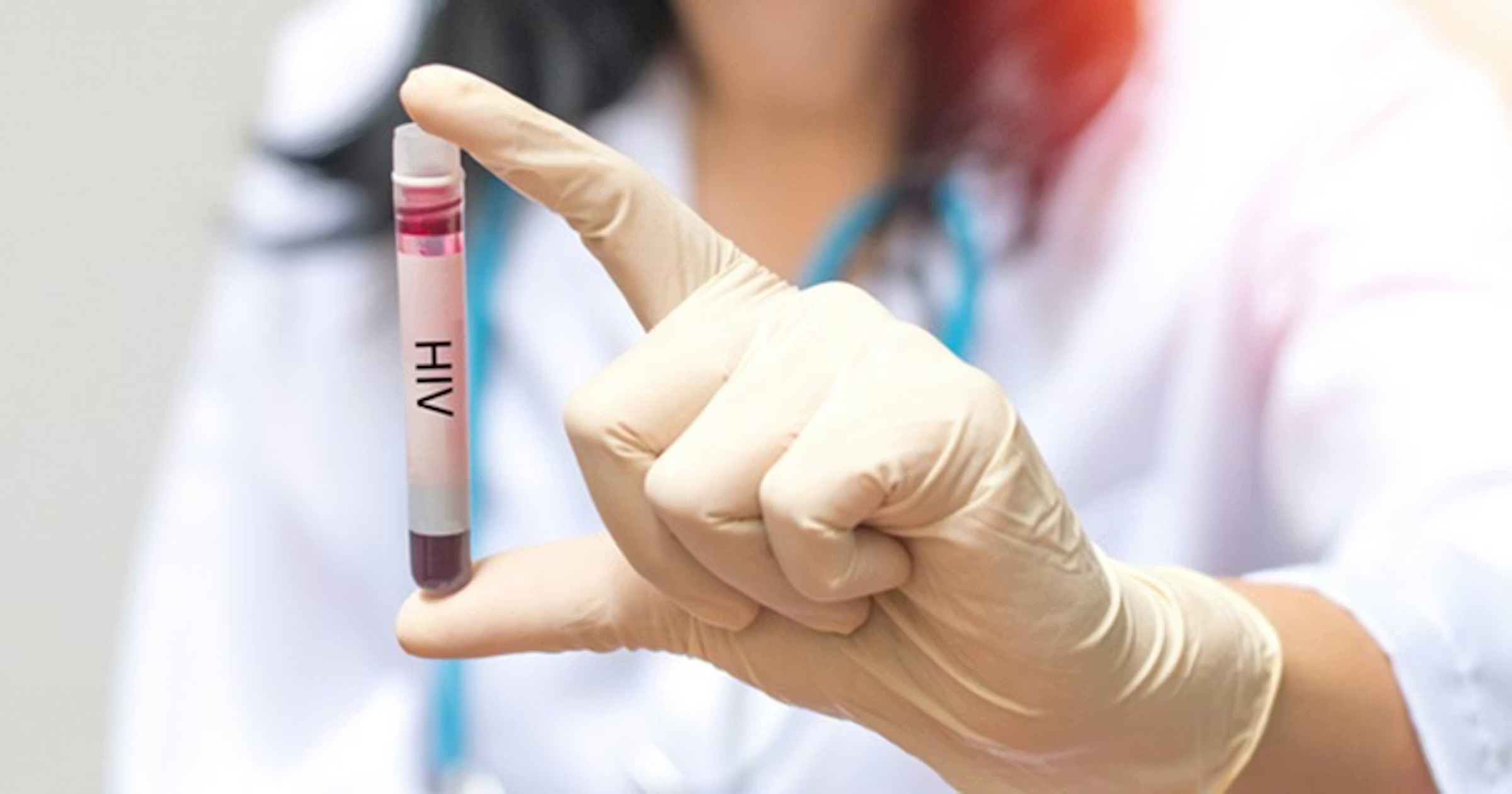
An HIV Test in Dubai can help provide information about HIV status when there has been a possible exposure or when partners want to include testing as part of responsible sexual healthcare.
HIV testing is not about making assumptions about another person's health or past. It is a medical screening process that can help people make informed decisions.
Because HIV may not always cause noticeable symptoms, testing can sometimes be useful even when both partners feel completely healthy.
HIV Can Exist Without Noticeable Symptoms
One of the most important things to understand about HIV is that symptoms are not always present.
Some people may experience an illness-like period after infection, while others may have mild symptoms or no noticeable symptoms. HIV can then continue without obvious signs for an extended period.
This means that a person cannot determine their HIV status simply by looking healthy or feeling well.
Testing provides a more reliable way to assess HIV status when there has been a potential exposure. It can also become part of a broader sexual health screening plan when recommended by a healthcare professional.
Enfiled STD Clinic for Professional HIV Screening
People who want professional sexual health testing after entering a new relationship can consider Enfiled STD Clinic for HIV screening and related healthcare guidance.
A healthcare professional can discuss the reason for testing and ask about previous testing, possible exposure, and the time since the exposure occurred.
These details are useful because HIV tests have different detection periods. Testing too soon after exposure may not reliably detect a recent infection.
Professional guidance can help determine which test may be suitable and whether repeat testing should be considered.
Should Couples Consider HIV Testing?
There is no single rule that says every new couple must take an HIV test. However, some couples choose to test as part of an open and responsible approach to sexual health.
Testing may be especially worth discussing if either person does not know their current HIV status, has had a possible previous exposure, or has not been tested for some time.
Couples may also want to discuss broader STI screening. An HIV test only addresses HIV and does not automatically test for infections such as chlamydia, gonorrhea, or syphilis.
Open communication can make it easier for both partners to understand their health status and make informed decisions.
When Is the Right Time to Test?
The appropriate timing of an HIV test depends on when a possible exposure occurred and which test is being used.
Testing immediately after sexual contact may not detect an infection because the biological markers measured by the test may not yet be present at detectable levels.
This is known as the window period.
Different HIV tests have different detection capabilities. Some laboratory tests can identify infection earlier than certain antibody-only tests.
If a possible exposure occurred recently, discussing the timing with a healthcare professional is important. The provider can explain whether testing should be performed immediately, repeated later, or approached in another way.
Understanding the HIV Window Period
The HIV window period is the time between infection and when a particular test can reliably detect it.
During this period, a person can potentially have HIV even though their test result is negative.
This is why a negative result shortly after a possible exposure may not always provide a final answer.
The window period is different from the period when symptoms may appear. A person can have no symptoms while infection is present.
An HIV Test in Dubai should therefore be interpreted according to the testing method and the timing of the possible exposure.
What If Both Partners Receive Negative Results?
Negative results can provide reassurance when the tests have been performed at an appropriate time and interpreted correctly.
If enough time has passed since any possible previous exposure, a negative result can provide strong evidence that HIV was not detected.
However, if either person tested too soon after a recent exposure, repeat testing may be recommended.
It is also important to remember that a negative HIV result does not automatically mean that a person has no other sexually transmitted infection.
Depending on individual circumstances, couples may consider broader sexual health screening.
HIV Testing and Broader STI Screening
A new relationship can be an appropriate time to discuss overall sexual health.
Depending on exposure history and symptoms, a healthcare professional may recommend testing for several infections. These may include chlamydia, gonorrhea, syphilis, hepatitis, or other conditions.
Each infection has its own testing methods and detection periods.
For this reason, someone should not assume that an HIV test provides a complete sexual health assessment.
If symptoms such as unusual discharge, genital sores, pain, burning during urination, or pelvic discomfort occur, professional medical evaluation may be appropriate.
What Happens During an HIV Test?
The exact testing process depends on the type of HIV test being used.
Many professional HIV tests involve a blood sample. Certain rapid testing methods may use other types of specimens and can provide results relatively quickly.
Before testing, a healthcare professional may ask questions about possible exposure and previous tests. This helps with choosing an appropriate testing approach and interpreting the result.
Patients can also ask questions about the testing method, expected result time, window period, and possible follow-up.
The process is generally straightforward when performed by a qualified healthcare provider.
Understanding a Negative HIV Result
A negative HIV result means that the test did not detect HIV according to its criteria.
However, the meaning of the result depends on timing.
If testing occurs after the relevant window period and the appropriate test has been used, a negative result can provide significant reassurance.
If the test is taken too soon, a healthcare professional may recommend another test later.
This is why patients should tell the healthcare provider when a possible exposure occurred. Accurate timing information can make the result easier to interpret.
What If the Test Is Reactive?
A reactive HIV screening result does not automatically establish that a person has HIV.
Additional testing is generally required to confirm whether the infection is present. Healthcare professionals can explain the next steps and arrange appropriate follow-up.
Receiving a reactive result can understandably cause anxiety, but it is important to wait for confirmatory testing before assuming the worst.
If HIV is confirmed, effective treatment is available. Medical professionals can provide guidance about treatment, monitoring, and long-term health.
Discussing Testing With Your Partner
Talking about HIV testing in a new relationship may initially feel uncomfortable. However, respectful communication can make the conversation easier.
Partners can discuss when they were last tested, whether they have had any recent potential exposures, and whether they would like to undergo screening together.
The conversation should focus on health rather than blame or judgment.
Testing together can sometimes make the process feel more collaborative and can encourage both partners to take an active role in maintaining sexual health.
What If There Was Recent Unprotected Contact?
If unprotected sexual contact occurred and there is concern about HIV exposure, seeking professional advice is important.
Do not rely on the absence of symptoms. HIV may not cause noticeable signs, and testing decisions depend heavily on timing.
A healthcare professional can assess the circumstances and explain appropriate testing options.
For very recent potential exposures, urgent medical advice can be particularly important because certain preventive measures may only be useful when started within a limited period.
Why Testing Does Not Replace Prevention
HIV testing can provide important information, but it does not prevent future exposure.
People can continue to support their sexual health by using appropriate protection, communicating with partners, seeking medical advice after possible exposures, and following recommended screening practices.
A previous negative test does not guarantee that a person will remain negative if another potential exposure occurs later.
People with ongoing exposure concerns can discuss an appropriate testing schedule with a qualified healthcare professional.
Maintaining Sexual Health in a New Relationship
A healthy relationship can include honest conversations about sexual health.
Partners can discuss testing, protection, STI screening, and any concerns they may have. These conversations can help reduce uncertainty and encourage informed decisions.
Sexual health screening should not be viewed as something that only happens when symptoms appear. Some infections can remain unnoticed, which makes appropriate screening valuable for certain individuals.
An HIV Test in Dubai can be one part of a broader approach to maintaining sexual health and awareness.
Final Thoughts
HIV testing after a new relationship can help people understand their health status, particularly when there has been a possible exposure or uncertainty about previous testing.
An HIV Test in Dubai can provide useful information, but the timing of testing is essential because testing too soon may not reliably detect a recent infection.
Open communication between partners, appropriate protection, and professional sexual health screening can all contribute to informed decisions. If you have concerns about a recent exposure, discussing the situation with a qualified healthcare professional can help determine the most appropriate next steps.

 English
 French
 Spanish
 Portuguese
 Deutsch
 Turkish
 Dutch
Dutch
 Italiano
 Russian
 Romaian
 Portuguese (Brazil)
 Greek
Greek