
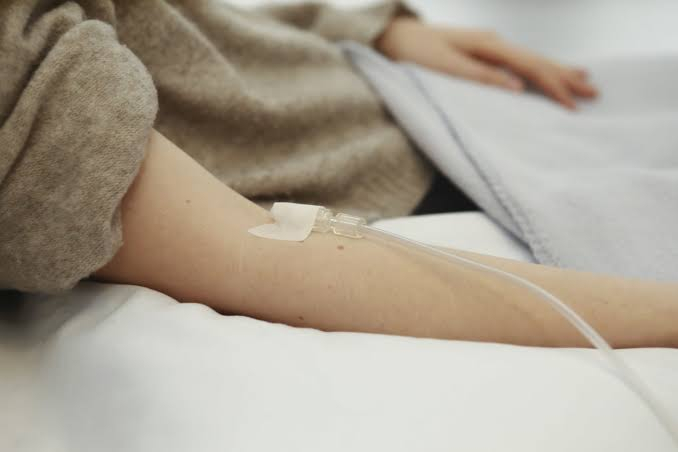
Receiving appropriate healthcare at home can make treatment more convenient and comfortable, particularly for patients who have difficulty traveling to a medical facility. IV Drip at Home in Dubai allows eligible patients to receive intravenous fluids, medications, or other medically indicated treatments in a familiar environment under professional supervision. A Doctor at Home service may also be used when an assessment is needed before treatment. Preparing your home properly can help the healthcare professional work safely and efficiently while making the overall IV treatment experience more comfortable for the patient.
Confirm Your IV Treatment Before Preparing:
Before preparing your home, confirm the treatment details with your healthcare provider. IV therapy should be recommended or approved by an appropriately qualified healthcare professional based on your individual needs. Make sure you understand the scheduled appointment, expected treatment duration, and any instructions provided before the visit. If you have allergies, current medications, medical conditions, or previous reactions to IV treatment, communicate this information to the healthcare team before the appointment.
Choose a Suitable Treatment Area:
Select a clean, comfortable, and well-lit area where the nurse can perform the procedure without unnecessary interruptions. A comfortable chair, sofa, or bed may be suitable depending on your condition and the healthcare professional's recommendations. The area should provide enough space for the nurse to organize medical supplies and work around the patient. Avoid locations that are cramped, poorly lit, or difficult for the healthcare professional to access.
Clean the Treatment Space:
A clean environment supports appropriate infection-control practices during IV administration. Before the healthcare professional arrives, remove unnecessary clutter from the selected area and clean nearby surfaces. Keep food, drinks, household items, and unrelated objects away from the immediate treatment space. You do not need to create a clinical environment at home, but maintaining a tidy area can help the nurse organize equipment and perform the procedure efficiently.
Ensure Good Lighting:
Adequate lighting is particularly important when a healthcare professional is preparing and inserting an IV catheter. Choose a location with sufficient natural or artificial light so the nurse can clearly see the patient's arm and equipment. If the treatment is scheduled in the evening, ensure that lamps or overhead lighting are available. Good visibility can support accurate site preparation and help the professional monitor the IV insertion area throughout treatment.
Prepare a Comfortable Seat or Bed:
Patients generally remain in one position during an IV infusion, so comfort matters. Choose a chair, recliner, sofa, or bed that allows you to remain relaxed while the treatment is administered. Make sure the selected position provides easy access to the arm that may be used for IV insertion. You can keep a pillow or blanket nearby if needed. However, the treatment position should always allow the nurse to access the IV line and monitor you appropriately.
Wear Appropriate Clothing:
Choose loose and comfortable clothing that allows easy access to the potential IV insertion area. Sleeves that are difficult to roll up may make the procedure less convenient. A short-sleeved or loose-fitting top can provide easier access to the arm while allowing you to remain comfortable during the infusion. Avoid tight clothing that could interfere with the IV tubing or restrict movement around the treatment area.
Keep Important Medical Information Available:
Having your relevant medical information available can make the pre-treatment assessment more efficient. Depending on your circumstances, the healthcare professional may need information about medications, allergies, previous treatments, and relevant medical history. Keep these details accessible before the appointment. Useful information may include:
- Current prescription medications.
- Known allergies.
- Relevant medical conditions.
- Previous reactions to IV treatments.
- Recent healthcare instructions.
- Contact information for your treating healthcare professional when appropriate.
Accurate information supports safer and more personalized care.
Keep Children and Pets Away From the Treatment Area:
Children and pets can unintentionally disturb medical equipment during an IV session. For this reason, it is helpful to keep the immediate treatment area calm and free from unnecessary activity. If you have pets, consider keeping them in another room while the nurse prepares and administers the treatment. This can reduce distractions and help the healthcare professional maintain a clean workspace.
Make Necessary Equipment Space Available:
Professional home healthcare providers generally bring the equipment required for the planned treatment. However, the nurse needs sufficient space to place and organize medical supplies safely. Keep a nearby table or suitable surface available if requested by the provider. Avoid placing personal belongings, food, or other household items on the working surface. The healthcare professional can determine the best arrangement for the equipment when they arrive.
Keep the Environment Calm:
A quiet environment can make the treatment experience more comfortable. Try to minimize unnecessary noise and interruptions during the appointment. If possible, avoid scheduling activities that require you to leave the treatment area during the infusion. You may prepare a book, headphones, or another quiet activity to help pass the time, provided it does not interfere with the healthcare professional's work or your ability to communicate with them.
Stay Hydrated When Appropriate:
Whether you should drink fluids before an IV treatment depends on your individual medical situation and the instructions provided by your healthcare professional. Do not assume that drinking a large amount of water is necessary before every IV session. If you have been given specific preparation instructions, follow them carefully. Patients with certain medical conditions may have fluid restrictions, making personalized guidance especially important.
Avoid Self-Administering or Handling IV Equipment:
Patients should not attempt to insert, adjust, disconnect, or remove an IV catheter or infusion equipment themselves unless they are appropriately trained and specifically instructed to do so. IV administration requires professional knowledge and proper infection-control techniques. During the appointment, allow the healthcare professional to manage the equipment. If the IV site becomes painful, swollen, or uncomfortable, inform the nurse immediately rather than attempting to correct the problem yourself.
Prepare Questions in Advance:
Your home IV appointment is a good opportunity to ask questions about your treatment. Writing down questions beforehand can help you remember important concerns. You may want to ask:
- What is the purpose of the IV treatment?
- How long is the infusion expected to take?
- What sensations should I expect?
- What symptoms should I report immediately?
- What should I do after the treatment?
- When should I contact a healthcare professional?
Clear communication can help you understand the procedure and feel more confident.
Allow Enough Time for the Appointment:
Although home IV treatment can reduce travel and waiting time, the appointment still requires sufficient time for assessment, preparation, IV insertion, administration, monitoring, and completion. Avoid scheduling an important meeting or demanding activity immediately after the expected end of the treatment. Giving yourself additional time can reduce pressure and allow the healthcare professional to complete the procedure without unnecessary rushing.
Follow Infection-Control Instructions:
The healthcare professional will follow appropriate hygiene and infection-control procedures during the visit. Patients can support these measures by keeping the treatment area clean and avoiding unnecessary contact with medical supplies. Do not touch sterile equipment or the IV insertion site unless instructed. Used needles and clinical materials should be handled and disposed of by the healthcare professional according to appropriate medical-waste procedures.
Know What to Do During the Infusion:
Once the IV is placed, remain in a comfortable position and avoid movements that could pull or dislodge the catheter. Inform the nurse promptly if you experience pain, burning, swelling, dizziness, or another unusual symptom. The healthcare professional can assess the situation and respond according to appropriate clinical procedures. Never ignore significant discomfort simply because you are receiving treatment at home.
Prepare for the End of Treatment:
After the infusion is complete, the nurse will remove the IV catheter and check the insertion site. Keep the area accessible and allow enough time for the professional to complete the process safely. Follow any post-treatment instructions provided by the healthcare team. If you notice persistent pain, swelling, redness, bleeding, or other concerning symptoms afterward, contact an appropriate healthcare professional for advice.
Understand When Home Treatment Is Not Enough:
Home IV therapy is intended for patients and treatments that are appropriate for a home setting. It should not be used as a substitute for emergency medical care. If you experience severe breathing difficulty, chest pain, fainting, a severe allergic reaction, or another potentially life-threatening symptom, seek emergency medical assistance immediately. Do not wait for a scheduled home healthcare appointment when urgent evaluation is required.
Final Thoughts:
Preparing your home for IV Drip at Home in Dubai does not require turning your residence into a medical facility. A clean, well-lit, comfortable, and organized treatment area can give qualified healthcare professionals the space they need to administer appropriate IV therapy safely. Keep relevant medical information available, follow preparation instructions, avoid handling IV equipment yourself, and communicate openly with the nurse throughout the visit. With proper planning and professional supervision, home IV treatment can be a convenient part of an appropriate healthcare plan.

 English
 Arabic
 Spanish
 Portuguese
 Deutsch
 Turkish
 Dutch
Dutch
 Italiano
 Russian
 Romaian
 Portuguese (Brazil)
 Greek
Greek