
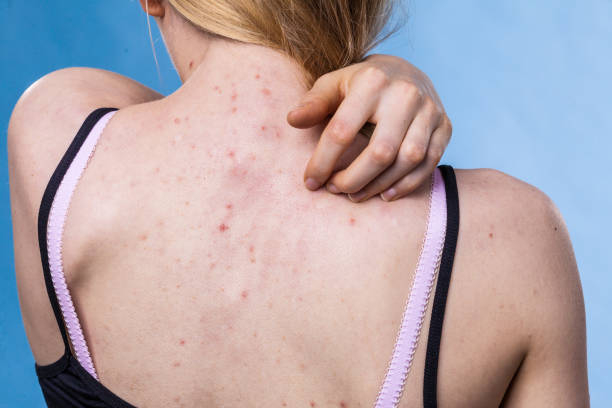
Back acne treatment is not simply a matter of buying the strongest product on the shelf. Some ingredients genuinely clear congestion, while others irritate skin, disrupt the barrier, and make breakouts worse. How to Treat Back Acne and Its Effects? Knowing what works—and what to avoid—saves time, money, and unnecessary skin damage. This guide separates effective treatments from common mistakes.
Why Back Acne Needs a Different Approach
The skin on your back is thicker than facial skin and contains more oil glands. It also endures constant friction from clothing.
This means treatments must penetrate deeper while resisting the irritation caused by friction and sweat.
What Works: Salicylic Acid
Salicylic acid is a beta-hydroxy acid that penetrates pores and dissolves debris.
It is one of the most effective over-the-counter ingredients for back acne. Look for body washes containing 2% salicylic acid.
What Works: Benzoyl Peroxide
Benzoyl peroxide kills acne-causing bacteria and reduces inflammation.
It can be drying, so start with lower concentrations and use consistently rather than aggressively.
What Works: Niacinamide
Niacinamide reduces inflammation, regulates oil production, and supports the skin barrier.
It pairs well with other acne treatments and is gentle enough for most skin types.
What Works: Prescription Retinoids
Retinoids normalize cell turnover and prevent pore blockage.
They are highly effective for persistent back acne but require professional guidance.
What Works: Oral Medications
For moderate to severe cases, oral antibiotics or hormonal treatments may be prescribed.
Isotretinoin is reserved for severe, treatment-resistant acne.
What Works: Professional Treatments
Chemical peels, laser therapy, and corticosteroid injections for deep cysts can accelerate results.
These complement home care and prescription treatments.
What to Avoid: Harsh Scrubs
Abrasive scrubs cause micro-tears and spread bacteria.
They worsen inflammation and increase scarring risk.
What to Avoid: Heavy Lotions and Oils
Occlusive products clog pores and worsen congestion.
Choose non-comedogenic moisturizers and sunscreens.
What to Avoid: Alcohol-Based Toners
These strip the skin barrier, triggering rebound oil production.
They worsen both oiliness and irritation.
What to Avoid: Picking and Squeezing
Picking pushes bacteria deeper and increases scarring.
Let lesions heal naturally.
What to Avoid: Over-Washing
Cleansing more than twice daily strips the barrier and worsens acne.
Gentle, consistent cleansing is more effective than aggressive scrubbing.
What to Avoid: Skipping Moisturizer
Dehydrated skin heals more slowly and produces more oil.
Even acne-prone skin needs lightweight hydration.
What to Avoid: Delaying Professional Help
If over-the-counter treatments fail after eight to twelve weeks, professional assessment is warranted.
Early intervention prevents scarring and long-term damage.
For those seeking expert guidance and customized aesthetic care, you can book an appointment consultation at the Enfield Royal Riyadh.
FAQs
What works best for back acne?
Salicylic acid, benzoyl peroxide, and prescription treatments for stubborn cases.
What should I avoid?
Harsh scrubs, heavy lotions, alcohol toners, picking, and over-washing.
Do I need moisturizer for back acne?
Yes, lightweight non-comedogenic moisturizers support the barrier.
When should I see a professional?
If OTC treatments fail after eight to twelve weeks.
Can back acne be cured?
It can be managed effectively with consistent care and maintenance.
Final Thoughts
Back acne treatment works best when you choose effective ingredients and avoid habits that worsen the condition. Salicylic acid, benzoyl peroxide, and niacinamide are proven; harsh scrubs, picking, and over-washing are not. Consistency and professional guidance when needed produce the best results. Clearer skin is achievable with the right approach.

 English
 Arabic
 French
 Spanish
 Portuguese
 Deutsch
 Turkish
 Dutch
Dutch
 Russian
 Romaian
 Portuguese (Brazil)
 Greek
Greek