
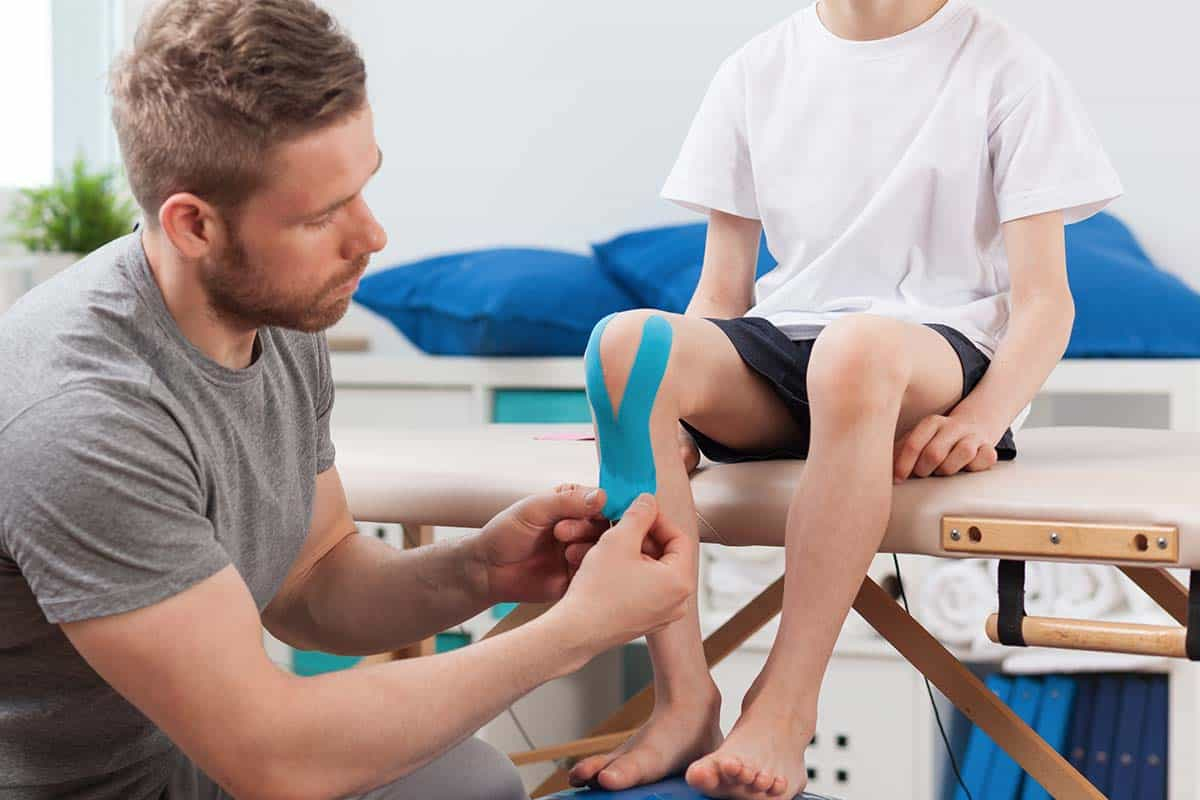
Physiotherapy is an important part of rehabilitation for many people with cerebral palsy because it focuses on movement, strength, flexibility, balance, posture, and functional mobility. For families considering Cerebral Palsy Treatment In Dubai, understanding how physiotherapy supports movement can help them prepare for a more structured rehabilitation plan. Since cerebral palsy affects each person differently, therapy is customized according to age, muscle tone, mobility, and individual goals. A Doctor at Home service may provide convenient medical support when traveling is difficult, while physiotherapy focuses specifically on improving or maintaining physical function.
Understanding Physiotherapy in Cerebral Palsy Care:
Physiotherapy is a rehabilitation approach that helps individuals work on physical abilities affected by cerebral palsy. A physiotherapist typically assesses muscle tone, strength, flexibility, posture, balance, coordination, walking ability, and functional movement before creating an individualized program. Depending on the person's needs, treatment may include stretching, strengthening, positioning, balance activities, gait training, mobility practice, and exercises designed around everyday tasks. The goal is not to apply the same routine to every patient but to identify practical movement goals and develop strategies that support participation and independence.
How Cerebral Palsy Can Affect Movement:
Cerebral palsy can influence movement in several ways because the condition affects the brain's control of muscles and posture. Some individuals experience increased muscle tone or stiffness, while others may have weakness, involuntary movements, poor coordination, or balance difficulties. These challenges can affect activities such as sitting, standing, walking, reaching, transferring, and climbing stairs. The severity and pattern of movement difficulties vary significantly. Physiotherapy addresses the functional effects of these challenges while considering the person's abilities and long-term needs.
Improving Muscle Strength:
Muscle weakness can make everyday movements more difficult and may affect stability, transfers, walking, and endurance. Physiotherapists can introduce strengthening activities appropriate for the individual's physical abilities. Exercises may focus on muscles involved in sitting, standing, walking, or other functional activities. Strengthening programs should be carefully planned because excessive effort can lead to fatigue or discomfort. The therapist can determine appropriate intensity and progression and teach patients or caregivers how to perform recommended activities safely.
Maintaining Flexibility:
Changes in muscle tone and reduced movement can contribute to limited flexibility. Physiotherapy may include stretching and positioning strategies designed to maintain available joint movement. Maintaining flexibility can support comfortable positioning and make certain functional movements easier. A physiotherapist may also teach caregivers appropriate stretching techniques for use at home when these are part of the treatment plan. Flexibility exercises should be individualized because the appropriate approach depends on muscle tone, joint condition, age, and overall mobility.
Supporting Balance and Coordination:
Balance and coordination are important for safe and efficient movement. Some people with cerebral palsy may find it difficult to maintain their balance while sitting, standing, reaching, or walking. Physiotherapy can include activities that help patients practice weight shifting, postural control, reaching, and controlled movement. Exercises may be adapted to the person's abilities and incorporated into functional tasks or play for children. Improved balance may support participation in everyday activities, although the specific outcomes depend on the individual's condition and treatment goals.
Improving Walking Skills:
Walking ability varies greatly among individuals with cerebral palsy. Some people walk independently, while others require mobility aids or use a wheelchair. Physiotherapy can support walking by addressing strength, balance, flexibility, endurance, posture, and movement patterns. Therapists may observe walking and identify practical ways to improve safety and efficiency. When appropriate, mobility equipment may be recommended, including:
- Walking frames
- Canes or other mobility aids
- Orthotic devices
- Specialized footwear
- Standing equipment
- Wheelchairs
The purpose of mobility equipment is to support safe and functional movement according to the person's needs.
Managing Muscle Tone and Spasticity:
Increased muscle tone or spasticity can interfere with movement and positioning in some people with cerebral palsy. Physiotherapy may help manage the functional effects of stiffness through stretching, positioning, movement practice, strengthening, and other rehabilitation techniques. Some patients may also receive medical treatments for spasticity, such as prescribed medications or targeted injections. Physiotherapy can be coordinated with these treatments to support functional goals. Any significant change in muscle tone, pain, or movement should be discussed with the treating healthcare team.
Supporting Posture and Body Alignment:
Posture affects sitting, standing, walking, reaching, and many other activities. Physiotherapists assess how an individual holds and moves their body and may recommend strategies to support more functional positioning. Appropriate seating systems, orthotic devices, positioning supports, and therapeutic activities may be used when necessary. For people with significant mobility limitations, proper positioning can also support comfort. Recommendations should be personalized because the appropriate position and equipment depend on the person's physical abilities and environment.
Developing Functional Movement Skills:
Physiotherapy is not limited to isolated exercises. A major objective is helping individuals use their physical abilities during meaningful everyday activities. Therapy may involve practicing:
- Rolling and changing positions
- Sitting independently
- Moving from sitting to standing
- Standing balance
- Walking
- Transfers between surfaces
- Reaching while maintaining stability
- Navigating steps when appropriate
Functional practice allows individuals to apply therapeutic skills to situations they encounter at home, school, work, or in the community.
Physiotherapy for Children With Cerebral Palsy:
For children, physiotherapy can support the development of motor skills and participation in age-appropriate activities. Depending on the child's abilities, therapy may focus on rolling, sitting, crawling, standing, walking, balance, or coordinated movement. Therapists can incorporate games and play-based activities to make sessions engaging. Parents may also receive guidance on safe ways to encourage movement during daily routines. Children's physical needs change as they grow, so regular reassessment helps keep therapy goals relevant.
Physiotherapy for Adults With Cerebral Palsy:
Adults with cerebral palsy may continue physiotherapy to maintain mobility and manage changing physical needs. Treatment can address stiffness, weakness, balance difficulties, pain, reduced endurance, or changes in walking ability. Therapy goals can be connected to work, household activities, exercise, recreation, or independent living. Adults who experience new or worsening mobility problems should discuss these changes with their healthcare team so that appropriate assessment can be arranged.
Home Exercises and Daily Practice:
A physiotherapist may provide a customized home program to reinforce skills practiced during professional sessions. Depending on individual needs, this may include stretching, strengthening, positioning, balance activities, or functional movement practice. Consistency is generally more practical than attempting excessive amounts of exercise at once. Patients and caregivers should follow professional instructions and report pain, unusual fatigue, or other concerns. Home exercises should be modified only with appropriate professional guidance.
The Role of Family and Caregivers:
Family members and caregivers can help support physiotherapy goals between appointments. Their role may include encouraging safe movement, helping with recommended exercises, supporting appropriate positioning, and using mobility equipment correctly. They can also monitor changes and communicate concerns to the therapy team. Helpful responsibilities may include:
- Following the prescribed home program
- Encouraging participation in safe activities
- Supporting recommended positioning
- Maintaining therapy appointments
- Monitoring mobility changes
- Reporting new pain or functional difficulties
- Checking that assistive equipment remains suitable
The level of assistance should always be based on the individual's needs and professional recommendations.
Combining Physiotherapy With Other Treatments:
Physiotherapy is often one part of a multidisciplinary cerebral palsy care plan. Depending on the person's needs, treatment may also involve occupational therapy, speech and language therapy, medical management, orthopedic care, nutritional support, or psychological services. Physiotherapy may focus on movement and mobility while occupational therapy addresses daily activities such as dressing, eating, and writing. Coordinating these services can help create consistent goals across different aspects of rehabilitation.
Home-Based Medical Support:
Some individuals with cerebral palsy have difficulty traveling because of limited mobility or other physical challenges. Home-based medical services may provide appropriate assessment and follow-up support when clinically suitable. A Doctor at Home service can complement specialist rehabilitation by making certain medical visits more accessible. However, home medical care should not replace necessary specialist evaluations or therapy sessions when in-person assessment is required.
Setting Realistic Physiotherapy Goals:
Physiotherapy goals should be individualized, measurable where possible, and connected to meaningful activities. Depending on the person's needs, goals may include:
- Improving sitting or standing balance
- Maintaining flexibility
- Increasing functional strength
- Supporting safer transfers
- Improving walking ability
- Managing the effects of muscle stiffness
- Increasing physical endurance
- Supporting independence in daily activities
Goals should be reviewed periodically because physical abilities and priorities can change over time.
Monitoring Progress and Adjusting Treatment:
Cerebral palsy is a lifelong condition, and movement needs may change during childhood, adolescence, and adulthood. Regular physiotherapy assessments help determine whether the current program remains appropriate. A therapist may adjust exercises, mobility strategies, positioning recommendations, or equipment according to changes in physical function. Families should communicate new symptoms, pain, falls, fatigue, or reduced mobility to the healthcare team. Ongoing monitoring helps keep rehabilitation focused on current needs.
Final Thoughts:
Physiotherapy can play an important role in helping people with cerebral palsy improve or maintain movement, strength, flexibility, balance, posture, and functional mobility. The appropriate approach depends on the individual's abilities, symptoms, age, and personal goals. Families considering Cerebral Palsy Treatment In Dubai can discuss physiotherapy with qualified rehabilitation professionals as part of a comprehensive care plan. With individualized therapy, appropriate home support, assistive equipment when needed, and regular reassessment, individuals with cerebral palsy can work toward practical movement goals and greater participation in everyday activities.

 English
 Arabic
 French
 Spanish
 Portuguese
 Turkish
 Dutch
Dutch
 Italiano
 Russian
 Romaian
 Portuguese (Brazil)
 Greek
Greek