
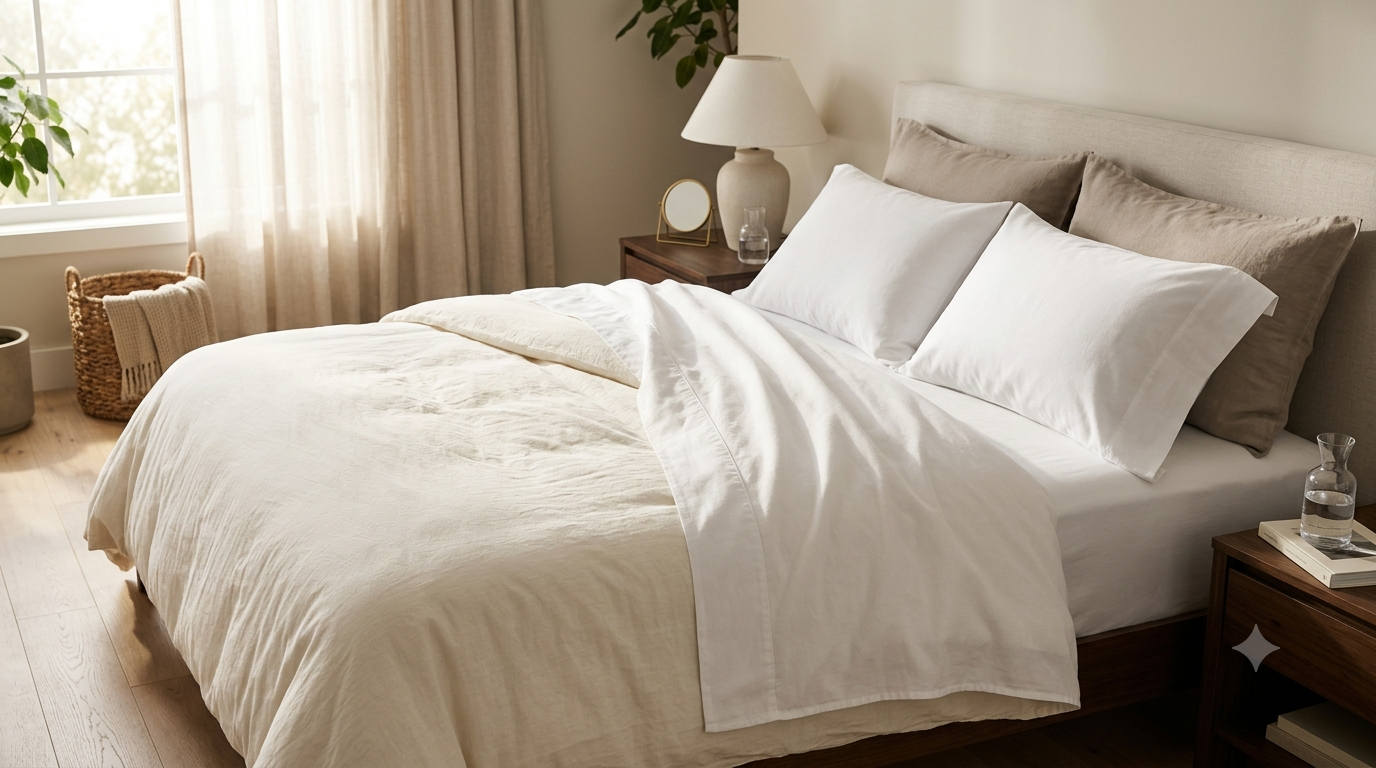
Choosing the right bed sheets can make a noticeable difference to everyday comfort. Among the many bedding materials available, cotton remains a popular choice because it is soft, breathable, versatile, and relatively easy to care for. However, not every cotton sheet offers the same feel or durability. Understanding fabric types, thread count, sizing, and care requirements can help you make a more informed purchase.
Whether you are replacing old bedding or planning to buy cotton bed sheets for a new bedroom, a few simple considerations can help you find sheets that suit your mattress, climate, and personal preferences.
Why Cotton Bed Sheets Are a Popular Choice
Cotton is widely used for bedding because its natural fibers can provide a comfortable balance of softness and breathability. Cotton fabric can absorb moisture and allow air to circulate, which can make it suitable for everyday use in different climates.
Another advantage is versatility. Cotton can be woven and finished in different ways, creating fabrics with different textures and levels of softness. From crisp percale to smooth sateen, there are cotton options for people who prefer different sleeping environments.
Cotton bedding is also available in a wide range of colors, patterns, sizes, and price points. This makes it easier to find a set that works with both your bedroom style and practical needs.
Understanding Different Types of Cotton Sheets
Not all cotton sheets are made in exactly the same way. The type of cotton and the way the fabric is woven can affect how the finished sheet feels and performs.
Percale Cotton
Percale typically has a simple one-over, one-under weave that creates a crisp and lightweight feel. It is often chosen by people who prefer breathable bedding with a fresh, cool sensation.
Sateen Cotton
Sateen uses a different weave that produces a smoother surface and a slightly more substantial feel. It can be a suitable option for people who prefer soft, silky-feeling cotton sheets.
Long-Staple Cotton
Cotton fibers with longer staples can be spun into smoother, stronger yarns. When combined with good manufacturing practices, longer fibers can contribute to durable and comfortable sheets.
When comparing products, look beyond labels and consider the actual fabric composition, construction, finishing, and care instructions.
What to Look for When Choosing Cotton Bed Sheets
Fabric Quality
Fabric composition is one of the first things to check. If you specifically want natural cotton bedding, look for products clearly labeled according to their fiber content.
Pure cotton sheets can be a practical choice if you prefer the feel and breathability of cotton. Blended fabrics can also have advantages, but they may feel and perform differently from sheets made entirely from cotton.
Pay attention to the fabric's construction and finish as well. A high thread count alone does not automatically mean the sheet is higher quality.
Thread Count
Thread count refers to the number of threads woven into one square inch of fabric. It is often used as a selling point, but it should not be the only factor you consider.
A very high number does not necessarily mean a sheet is softer, stronger, or more comfortable. The quality of the cotton fibers, yarn, weave, and manufacturing process also influence the final product.
Instead of focusing exclusively on thread count, consider it alongside fiber quality, weave, fabric weight, and construction.
Breathability and Comfort
For everyday bedding, breathability is particularly important. Cotton can allow air to move through the fabric while absorbing some moisture, making it a practical option for warm weather and people who prefer breathable bedding.
For hotter seasons, lightweight cotton fabrics can provide a comfortable feel. During cooler months, you may prefer heavier cotton bedding or combine your sheets with blankets and other layers.
Choosing the Right Bed Sheet Size
Getting the size right is just as important as choosing the fabric. A sheet that is too small may pull away from the mattress, while an oversized sheet can bunch up and become difficult to manage.
Before purchasing, measure:
- Mattress length and width
- Mattress depth
- Mattress topper thickness, if applicable
- Additional mattress padding or protectors
For a full-size mattress, search specifically for cotton sheets full or full-size cotton sheets. This helps narrow your options to products designed for the appropriate mattress dimensions.
Similarly, shoppers looking for larger beds may come across pure cotton double bed sheets. Always check the manufacturer's measurements rather than relying only on terms such as "double," because sizing conventions can vary between markets and manufacturers.
If you are searching for 100 cotton sheets full, check both the size specification and the fiber composition. The word "full" refers to the intended bed size, while "100% cotton" refers to the material.
Flat Sheets vs. Fitted Sheets
Understanding the difference between flat and fitted sheets can make shopping easier.
Fitted sheets have elasticated edges designed to hold the sheet around the mattress. They are useful for people who want the sheet to stay securely in place during the night.
Flat sheets are rectangular pieces of fabric that sit over the mattress or between the sleeper and blanket, depending on how the bed is made. They can also be useful as lightweight bedding in warmer conditions.
Some cotton sheet sets include both types, while others are sold separately. Check the product description carefully before purchasing.
How to Choose Between Different Cotton Bed Sheet Options
When comparing a bedsheet cotton double option with another product, consider more than the appearance. Look at the fiber composition, weave, dimensions, fabric weight, care instructions, and customer reviews where available.
If you are planning to buy cotton bed sheets, create a simple checklist before shopping:
- Confirm your mattress size and depth.
- Decide whether you prefer percale, sateen, or another cotton weave.
- Check the fiber composition.
- Consider breathability and seasonal comfort.
- Review the thread count without treating it as the only quality indicator.
- Check washing and drying instructions.
- Compare construction, durability, and overall value.
This approach can help you choose sheets based on practical requirements rather than marketing terminology alone.
Choosing Sheets for Different Seasons
Cotton can work throughout the year, but different constructions may be more suitable for different conditions.
For summer, lightweight and breathable cotton sheets can help create a less heavy sleeping environment. Percale is often appreciated for its crisp and airy feel.
For winter, a denser cotton fabric or layered bedding may provide a warmer and more substantial feel. You can also combine cotton sheets with blankets, quilts, or comforters according to the room temperature.
The best choice ultimately depends on your local climate and personal comfort preferences.
How to Identify Good-Quality Cotton Sheets
Quality is not determined by one specification. Instead, look at several characteristics together.
Good-quality sheets generally have consistent weaving, neat seams, securely finished edges, and fabric that feels appropriate for its intended use. Labels should clearly identify the fiber composition and recommended care.
It is also useful to consider how the sheets are expected to change after washing. Cotton may soften with repeated laundering, but following the manufacturer's instructions can help preserve the fabric's appearance and structure.
For readers exploring natural-fabric bedding and other home textiles, All Cotton and Linen is one example of a brand specializing in cotton and linen products, making it useful to explore when comparing different natural-fabric options.
How to Care for Cotton Bed Sheets
Proper care can help cotton sheets remain comfortable and useful for longer.
Wash According to the Label
Always follow the manufacturer's washing instructions. Different cotton fabrics may have different temperature and drying recommendations.
Avoid Excessive Heat
High temperatures can contribute to shrinkage or fabric wear. When appropriate, use moderate washing and drying temperatures.
Do Not Overload the Machine
Giving sheets enough room to move during washing can help them rinse properly and reduce unnecessary stress on the fabric.
Dry and Store Properly
Make sure sheets are completely dry before folding and storing them. Store clean bedding in a dry, well-ventilated space.
Rotating between multiple sheet sets can also reduce how frequently any individual set needs to be washed and used.
Why Quality Matters for Everyday Bedding
Bed sheets are used repeatedly, so comfort and durability should be considered together. A sheet may look attractive when new, but its long-term value depends on how well the fabric, stitching, and construction hold up to regular washing and use.
Rather than choosing bedding based solely on thread count, price, or appearance, consider the complete product. Fiber content, weave, size, breathability, construction, and care requirements all contribute to the overall experience.
For people interested in natural home textiles, exploring cotton and linen products can also help create a coordinated and comfortable bedroom environment.
Final Thoughts
Choosing the right cotton bed sheets does not have to be complicated. Start by identifying your mattress size, preferred fabric feel, and seasonal comfort needs. Then compare cotton type, weave, fiber composition, construction, thread count, and care instructions.
Whether you need cotton sheets full, pure cotton double bed sheets, or another size, accurate measurements should always be a priority. Most importantly, choose sheets that fit your mattress correctly and match the level of softness, breathability, and durability you expect from everyday bedding.
With the right combination of fabric quality, size, construction, and proper care, cotton bed sheets can be a practical and comfortable part of your bedding for years to come.

 English
 Arabic
 French
 Spanish
 Portuguese
 Turkish
 Dutch
Dutch
 Italiano
 Russian
 Romaian
 Portuguese (Brazil)
 Greek
Greek