
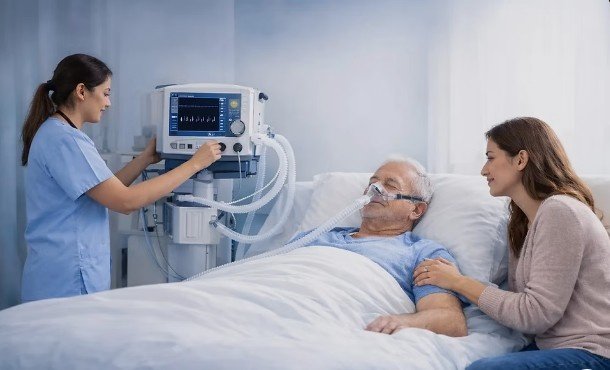
Monitoring is an essential part of caring for a patient who depends on mechanical ventilation outside a hospital setting. Ventilator Care At Home In Dubai requires consistent observation of the patient's breathing, comfort, equipment, and overall condition while following the individualized instructions provided by qualified healthcare professionals. A Doctor at Home service may provide convenient medical assessment when appropriate, while trained home nurses can assist with respiratory monitoring, airway care, equipment checks, and daily documentation. Understanding what to observe and when to seek professional assistance can help families maintain a structured care routine.
Understanding Patient Monitoring at Home:
Patient monitoring involves regularly observing the patient's physical condition and the operation of the ventilator. The exact monitoring schedule depends on the patient's diagnosis, ventilation requirements, prescribed equipment, and medical plan. Caregivers may observe breathing patterns, alertness, skin color, secretions, comfort, and prescribed monitoring readings. The goal is not to diagnose problems independently but to identify changes from the patient's normal condition and communicate concerns to the appropriate healthcare professional.
Observing Breathing Patterns:
Breathing should be observed throughout the day according to the patient's care plan. Caregivers can pay attention to changes in breathing effort, rate, rhythm, coughing, and visible signs of discomfort. A patient who normally appears comfortable may show a noticeable change if respiratory problems develop. Caregivers should become familiar with the patient's usual breathing pattern so that unusual changes are easier to recognize. Significant or sudden breathing difficulty requires prompt attention according to the patient's emergency instructions.
Checking Oxygen and Other Prescribed Readings:
Some ventilated patients may use monitoring devices such as a pulse oximeter. If oxygen saturation monitoring has been prescribed, caregivers should use the device according to professional instructions and understand the patient's expected range. A single unexpected reading may sometimes result from movement, poor sensor placement, or equipment limitations, so readings should be interpreted in context and according to the care plan. Persistent or concerning changes should be reported to the healthcare team rather than managed through independent changes to ventilation or oxygen settings.
Important observations may include:
-
Oxygen saturation when prescribed
-
Heart rate when monitoring is recommended
-
Breathing rate
-
Temperature when instructed
-
Level of alertness
-
Changes in respiratory effort
Monitoring the Ventilator:
The ventilator itself should be checked regularly to ensure that it appears to be operating as prescribed. Caregivers should inspect tubing, connections, power supplies, and other components included in the patient's equipment setup. Tubing should remain properly connected and should not be unnecessarily kinked or compressed. Caregivers should know what normal operation looks like and should follow the manufacturer's instructions and healthcare team's guidance when equipment concerns arise. Ventilator settings should never be changed independently unless specifically directed by a qualified medical professional.
Understanding Ventilator Alarms:
Ventilator alarms are important signals that should not be ignored. Caregivers should receive training on the alarms associated with the patient's specific device and understand the appropriate response procedure. An alarm may be related to tubing disconnection, changes in airway pressure, power interruption, equipment problems, or patient-related changes. Repeatedly silencing an alarm without identifying its cause can delay appropriate action. If an alarm occurs alongside breathing difficulty or other concerning symptoms, caregivers should follow the patient's emergency plan and seek professional assistance.
Monitoring Airway Secretions:
Respiratory secretions can provide useful information about changes in a patient's condition. Caregivers and nurses may observe the amount, thickness, color, and consistency of secretions when this is relevant to the patient's care plan. An increase in secretions or a noticeable change from the patient's normal pattern may require communication with the healthcare team, particularly when accompanied by fever, coughing changes, breathing difficulty, or other symptoms. Suctioning should only be performed by individuals who have received appropriate training and according to the prescribed care plan.
Observing the Patient's Alertness and Comfort:
Changes in alertness, responsiveness, or behavior can be important observations for patients receiving ventilator support. Caregivers should know the patient's usual level of interaction and recognize significant deviations. Increased sleepiness, unusual confusion, difficulty responding, or sudden changes in behavior should be taken seriously. Comfort should also be monitored because pain, anxiety, poor positioning, or equipment-related discomfort can affect the patient's overall condition. Any unexplained or significant change should be discussed with an appropriate healthcare professional.
Checking Skin Color and Physical Appearance:
A patient's physical appearance can provide additional clues about changes in condition. Caregivers may observe skin and lip color, sweating, unusual paleness, swelling, or other changes identified by the medical team. Skin should also be checked regularly in patients with limited mobility, particularly around pressure points and areas affected by medical devices. Any persistent or significant change should be documented and communicated according to the patient's care plan.
Monitoring Temperature and Possible Infection Signs:
Temperature monitoring may be included in the patient's daily care routine when recommended. Fever can be associated with infection or other medical concerns, although temperature changes should always be interpreted in the context of the patient's overall condition. Other possible signs of infection may include increased respiratory secretions, changes in secretion color, coughing changes, unusual fatigue, or changes around a tracheostomy site. Families should follow the specific warning signs provided by the patient's healthcare team.
Monitoring Nutrition and Hydration:
Adequate nutrition and hydration are important for patients receiving long-term respiratory support. Depending on the patient's condition, caregivers may need to follow a prescribed feeding schedule and monitor fluid intake. Changes such as vomiting, feeding intolerance, reduced intake, or signs of dehydration should be reported according to professional guidance. Patients with specialized feeding arrangements require particular attention to the instructions provided by their healthcare team.
Daily monitoring may include:
-
Following the prescribed feeding schedule
-
Recording relevant fluid intake when required
-
Observing tolerance of meals or feeds
-
Monitoring for vomiting or other feeding problems
-
Maintaining appropriate patient positioning during feeding
Monitoring Positioning and Mobility:
Patients who spend substantial time in bed may require regular repositioning. Caregivers should follow professional instructions for positioning, particularly when the patient has a tracheostomy, ventilator tubing, or other medical devices. Position changes should be performed carefully to prevent accidental disconnection or displacement of equipment. Regular observation of the skin can also help identify pressure-related problems. Any mobility exercises should follow the patient's individualized physiotherapy or rehabilitation plan.
Keeping a Daily Monitoring Record:
A written record can make home ventilator care more organized. Caregivers can document relevant observations, medication administration, respiratory treatments, ventilator alarms, suctioning, feeding, monitoring readings, and changes in the patient's condition. The exact information recorded should reflect the patient's care plan. Consistent documentation can help healthcare professionals understand patterns and provide more informed guidance during follow-up appointments.
A monitoring record may include:
-
Date and time of observations
-
Prescribed monitoring readings
-
Ventilator alarms
-
Respiratory observations
-
Medications or treatments provided
-
Airway-care activities
-
Feeding and hydration information
-
Changes that were reported to healthcare professionals
Recognizing When Medical Attention Is Needed:
Families should receive clear instructions about symptoms that require medical attention. Potentially serious signs can include significant breathing difficulty, sudden changes in alertness, unusual skin or lip color, repeated unexplained ventilator alarms, severe respiratory distress, or other sudden changes identified by the patient's medical team. The response depends on the patient's condition and emergency plan. Caregivers should not attempt to diagnose the cause or make independent ventilator adjustments. When an emergency is suspected, appropriate emergency medical assistance should be sought immediately.
Working With Professional Home Nurses:
Professional nurses can provide valuable support when families are managing complex ventilator care. They can monitor the patient, perform prescribed respiratory procedures, assess equipment, maintain documentation, support hygiene, and communicate important observations to the medical team. Their clinical training can be particularly useful when the patient has multiple care needs or requires continuous observation. Home nursing should complement regular medical follow-up rather than replace it.
Maintaining Regular Medical Follow-Up:
Ongoing medical supervision remains important even when a patient appears stable. Follow-up appointments allow healthcare professionals to review respiratory status, ventilator requirements, medications, airway care, nutrition, mobility, and overall progress. Families should bring monitoring records and report meaningful changes that occurred between appointments. If the patient's condition changes significantly, they should contact the appropriate healthcare provider rather than waiting for the next scheduled visit.
Final Thoughts:
Monitoring a patient receiving Ventilator Care At Home In Dubai requires careful observation, consistent documentation, appropriate equipment checks, and close communication with qualified healthcare professionals. Families should monitor the patient's breathing, alertness, comfort, secretions, prescribed readings, nutrition, and overall condition while also paying attention to ventilator alarms and equipment function. The purpose of home monitoring is to recognize meaningful changes and respond according to the patient's individualized care plan, not to independently diagnose or modify treatment. With proper training, professional nursing support, and regular medical follow-up, families can maintain a more organized and responsive home-care routine.

 English
 Arabic
 French
 Spanish
 Portuguese
 Deutsch
 Turkish
 Dutch
Dutch
 Russian
 Romaian
 Portuguese (Brazil)
 Greek
Greek