
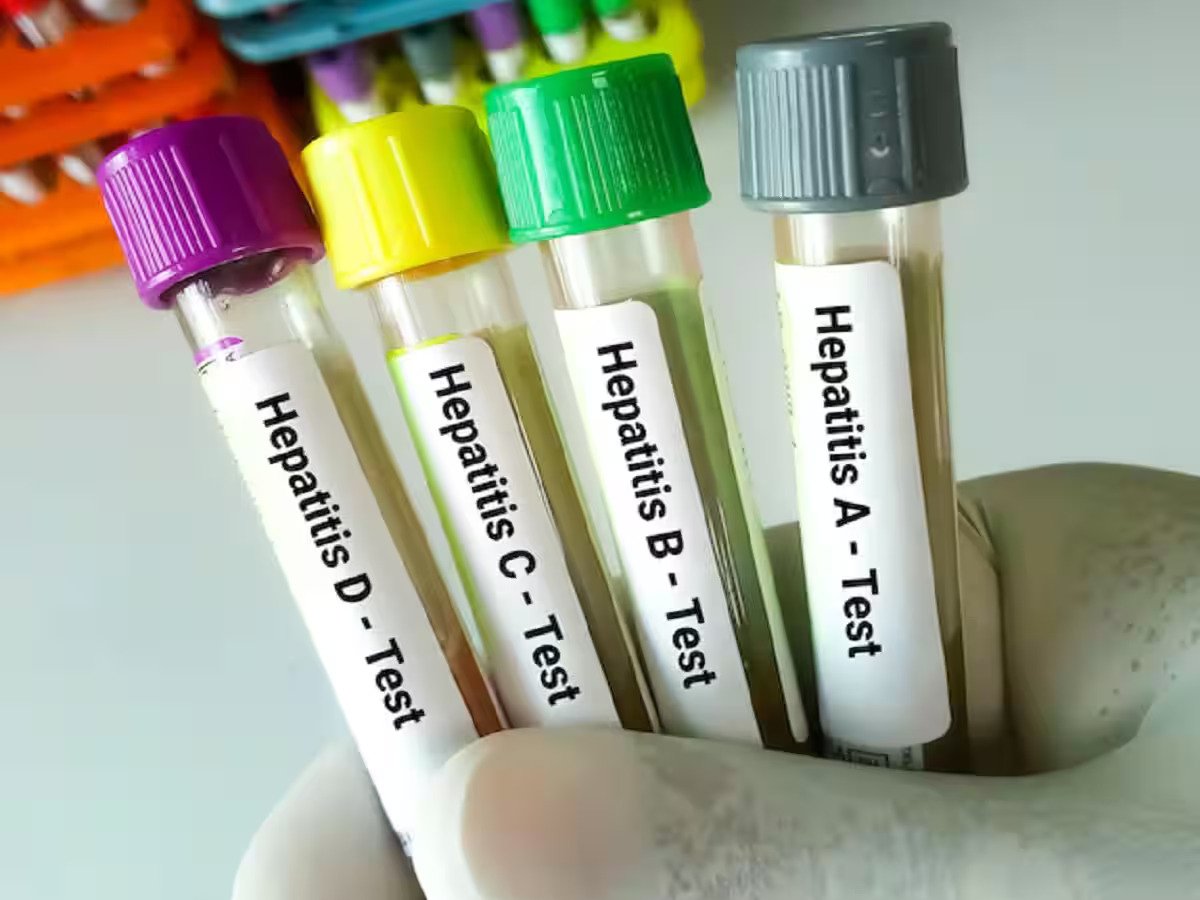
Preparing for a hepatitis B test is usually straightforward. Most hepatitis B screening involves a blood sample, and in many cases, extensive preparation is not required. However, knowing what information to provide and understanding how the testing process works can make your appointment easier. If you are planning a Hepatitis B Test in Dubai, it is useful to understand the basic steps before visiting a healthcare professional.
Why Preparation Matters Before Hepatitis B Testing
Hepatitis B testing can provide important information about infection, previous exposure, or immunity. However, the usefulness of the results depends not only on the laboratory test but also on the circumstances surrounding the testing.
A healthcare professional may need to know whether you have recently experienced a possible exposure, whether you have received hepatitis B vaccination, and whether you have had previous testing.
Providing accurate information helps the provider select appropriate tests and interpret the results correctly.
Do You Need to Fast Before the Test?
Most hepatitis B blood tests do not require fasting. You can generally eat and drink normally unless your healthcare provider or laboratory gives you different instructions.
However, if your healthcare professional has ordered other blood tests during the same appointment, some of those tests may require fasting. For this reason, it is important to follow the specific instructions provided before your visit.
If you are unsure whether fasting is required, ask the testing facility beforehand rather than making assumptions.
Tell Your Healthcare Provider About Possible Exposure
If you are seeking testing because of a possible hepatitis B exposure, tell the healthcare professional when the exposure occurred.
The timing can be important because hepatitis B markers may not become detectable immediately after infection. A test performed too soon after exposure may sometimes need to be followed by additional testing.
You do not need to determine the exact meaning of the exposure yourself. Simply provide as much accurate information as possible so the healthcare professional can assess the situation.
Discuss Your Vaccination History
Your hepatitis B vaccination history can be useful when interpreting laboratory results. Vaccination can produce antibodies that indicate protection against the virus.
If you know when you received the hepatitis B vaccine, provide that information during your appointment. If you are unsure whether you were vaccinated, tell the healthcare provider rather than guessing.
Previous vaccination records can sometimes help clarify the meaning of certain hepatitis B markers.
Bring Previous Test Results If Available
If you have previously undergone hepatitis B testing, bring the relevant results if they are available. Previous laboratory reports can help your healthcare professional understand your current situation.
This can be particularly useful when follow-up testing is being performed or when previous results contained multiple hepatitis B markers.
If you do not have previous results, that does not prevent you from being tested. Your healthcare provider can determine the appropriate testing based on your current circumstances.
Prepare Information About Your Health
Before a Hepatitis B Test in Dubai, you may be asked about your general medical history. Depending on the reason for testing, the healthcare professional may ask about symptoms, previous infections, vaccination, possible exposure, or other relevant circumstances.
Symptoms such as unusual tiredness, nausea, loss of appetite, abdominal discomfort, dark urine, or yellowing of the skin and eyes may be relevant.
However, having no symptoms does not necessarily mean that hepatitis B is absent. Some infections can occur without noticeable signs.
Should You Stop Taking Medication?
Do not stop prescription or regular medication simply because you are having hepatitis B testing unless a healthcare professional specifically tells you to do so.
If you take medications, supplements, or other products regularly, mention them when discussing your medical history. Your healthcare provider can determine whether any additional considerations apply to your testing.
Following professional instructions is safer than making changes to medication on your own.
What Happens During the Appointment?
The healthcare professional will usually begin by discussing why you are having the test and asking relevant questions about your health history.
A blood sample is then collected, generally from a vein in the arm. The skin is cleaned, a sterile needle is used to collect the required sample, and the area is covered afterward.
The blood collection itself is normally brief. You may feel a small pinch when the needle enters the skin and mild tenderness afterward.
What Hepatitis B Tests May Be Ordered?
Hepatitis B testing can involve several blood markers. The specific tests ordered depend on the purpose of testing and the information the healthcare professional needs.
One commonly used marker is hepatitis B surface antigen, or HBsAg. Other markers can provide information about antibodies, previous exposure, or immunity.
Some people may need more than one marker to understand their hepatitis B status. This is why the exact test panel can vary from person to person.
Professional Testing at Enfiled STD Clinic
For people seeking infection screening, professional guidance can help make the testing process easier to understand. At Enfiled STD Clinic, individuals seeking a Hepatitis B Test in Dubai can discuss their concerns with healthcare professionals before testing.
A professional consultation can help determine which testing may be appropriate based on possible exposure, symptoms, vaccination history, or previous results.
If you have questions about the test or are uncertain about preparation, discussing them before sample collection can help you understand what to expect.
Is There Anything to Avoid Before Testing?
For most hepatitis B blood tests, there are no major dietary restrictions. You generally do not need to avoid ordinary foods or drinks unless specific instructions have been provided.
It can also be useful to stay adequately hydrated. Drinking water can make blood collection easier for some people, although you should follow any instructions given by your healthcare provider.
Avoid making unnecessary changes to your routine or medication before testing unless instructed by a medical professional.
What If You Are Nervous About Blood Testing?
Some people feel uncomfortable around needles or blood collection. If you are nervous, let the healthcare professional know.
You can sit or lie down during the blood draw if you are prone to feeling lightheaded. Taking slow breaths and looking away from the needle may also make the experience more comfortable.
The blood collection usually takes only a short amount of time.
Understanding the Importance of Timing
One of the most important preparation considerations is knowing when a possible exposure occurred. If you are testing because of a recent event, tell the healthcare professional the approximate date.
The body does not necessarily produce detectable hepatitis B markers immediately after infection. Consequently, testing at different points after exposure can provide different information.
A healthcare professional may recommend repeat testing when appropriate. A follow-up test does not necessarily mean that the first result was incorrect; it may be part of assessing infection over time.
What Happens After the Test?
Once the blood sample has been collected, it is sent to a laboratory for analysis. The laboratory checks the requested hepatitis B markers and prepares a report.
The time required for results varies according to the laboratory and the tests ordered.
When your results are available, a healthcare professional can explain what they mean. It is important not to interpret a single marker without considering the complete testing pattern and your individual circumstances.
What If the Result Is Positive?
A positive hepatitis B marker can have different meanings depending on which marker is detected. Some results can indicate current infection, while others may indicate previous exposure or immunity.
Additional testing may sometimes be needed to clarify the result.
If your test indicates possible current infection, a healthcare professional can explain the findings and discuss whether further evaluation or monitoring is appropriate.
What If the Result Is Negative?
A negative result means that the particular marker tested was not detected. However, it does not always answer every hepatitis B question.
For example, if testing occurs shortly after a possible exposure, the healthcare professional may recommend follow-up testing depending on the circumstances.
The meaning of a negative result should therefore be considered alongside the test type, timing, vaccination history, and reason for testing.
Preparing for Follow-Up Testing
If your healthcare professional recommends repeat testing, follow the timing instructions carefully. Testing again at the recommended interval can provide additional information when an initial test was performed early or when results require clarification.
Keep copies of your laboratory reports when possible. Having a record of previous results can make future medical discussions easier.
Hepatitis B Testing and Liver Health
Hepatitis B affects the liver, and chronic infection can sometimes require long-term medical monitoring. Testing can help identify people who may need further evaluation.
If infection is confirmed, a healthcare professional can determine whether additional liver-related assessments or ongoing monitoring are appropriate.
Testing itself does not determine the overall condition of the liver. Additional evaluation may be required when clinically appropriate.
Final Thoughts
Preparing for a hepatitis B test is generally simple. Most hepatitis B blood tests do not require fasting, but you should always follow any specific instructions provided by your healthcare professional or laboratory.
Before a Hepatitis B Test in Dubai, be ready to discuss possible exposure, vaccination history, previous test results, symptoms, and relevant medical information. Accurate details can help healthcare professionals choose appropriate tests and interpret the results correctly. If you have concerns about hepatitis B, professional guidance can help you understand the testing process and any necessary follow-up.

 Arabic
 French
 Spanish
 Portuguese
 Deutsch
 Turkish
 Dutch
Dutch
 Italiano
 Russian
 Romaian
 Portuguese (Brazil)
 Greek
Greek