
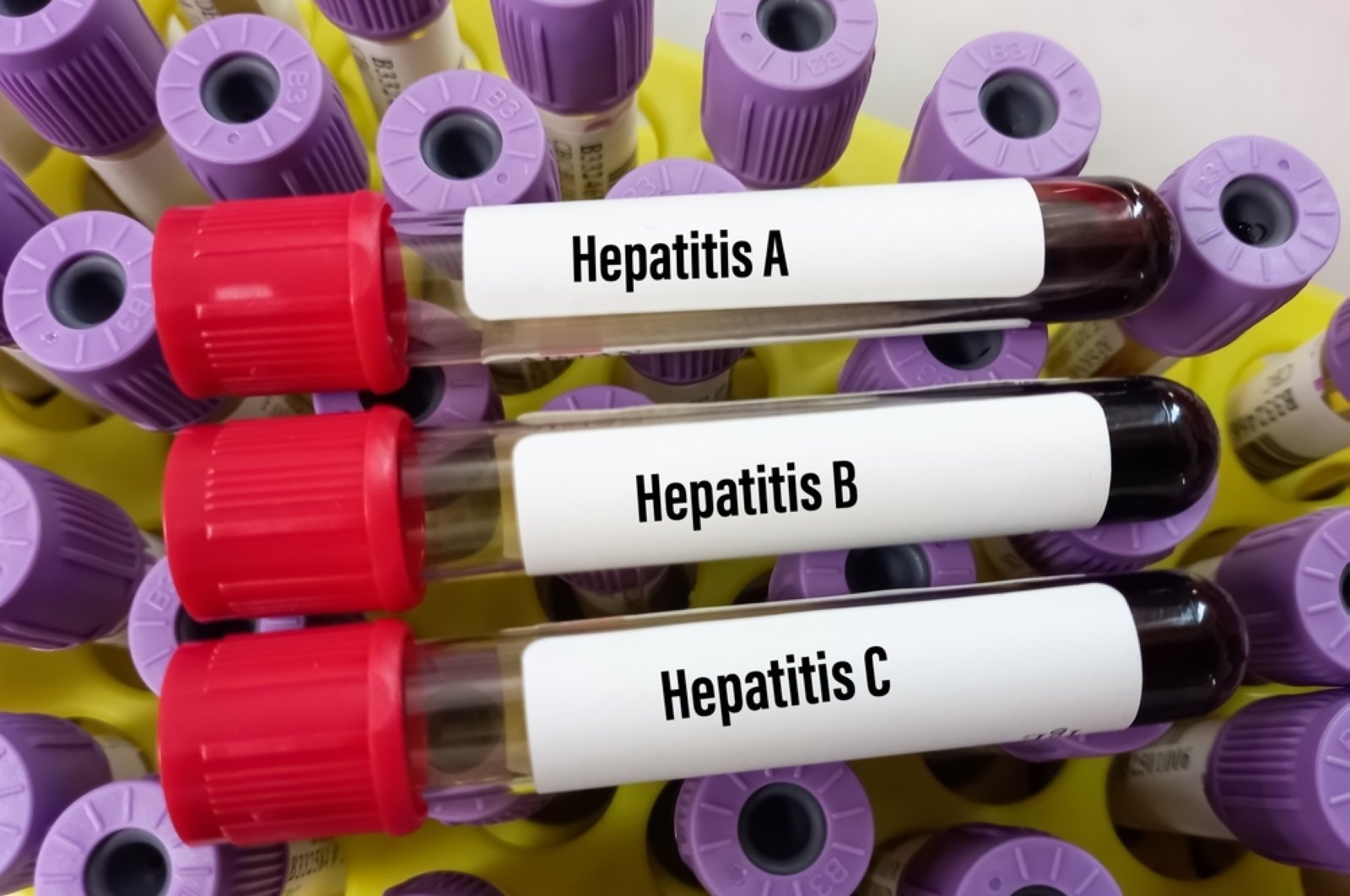
Hepatitis A can sometimes occur without obvious symptoms, which can make it difficult for a person to know whether they have been exposed or infected. While not everyone without symptoms needs testing, certain circumstances may make medical evaluation appropriate. A Hepatitis A Test in Dubai can help provide useful information when there has been a known exposure, a possible source of contamination, or another reason for concern.
Understanding when testing may be considered can help people make informed decisions without assuming that the absence of symptoms automatically means there is no possibility of infection.
Can Hepatitis A Occur Without Symptoms?
Yes. Some people infected with hepatitis A may experience mild symptoms or no noticeable symptoms. The likelihood and severity of symptoms can vary depending on factors such as age and individual health circumstances.
Someone without symptoms may therefore be unaware that they have been exposed to the virus. This does not mean that every person without symptoms should automatically undergo testing.
Instead, the decision is generally based on the person's exposure history, medical circumstances, and advice from a healthcare professional.
When Might Testing Be Considered?
A healthcare professional may consider hepatitis A testing for an asymptomatic person when there is a specific reason to suspect exposure or infection.
For example, testing may be discussed if someone has had close contact with a person diagnosed with hepatitis A or has been part of a situation involving a known contaminated food or water source.
Recent travel can also be relevant, particularly when a person develops concerns after returning from an area where hepatitis A is more common.
The appropriate response depends on the individual situation and the timing of the possible exposure.
After Contact With Someone Who Has Hepatitis A
Close contact with an infected person can be a reason to seek medical advice even if you currently feel healthy.
If a household member, close contact, or another person you regularly interact with has been diagnosed with hepatitis A, tell your healthcare provider when the contact occurred.
The healthcare professional can assess whether testing is appropriate and whether any other preventive measures should be considered.
Do not wait for symptoms simply because you currently feel well. At the same time, avoid assuming that exposure automatically means you have become infected.
Testing After Possible Food Exposure
Contaminated food can be one way hepatitis A spreads. If you learn that food you consumed was associated with a hepatitis A exposure, you may have concerns even if you have no symptoms.
In this situation, speaking with a healthcare professional can help determine whether testing or other measures are appropriate.
The timing of the exposure is important because testing too early may not provide the expected information. A professional can help determine what approach makes sense based on when the possible exposure occurred.
Testing After Possible Water Exposure
Hepatitis A can also spread through contaminated water. People who have consumed water from a potentially unsafe source may become concerned about infection, particularly if they later learn about contamination.
If there is a known exposure, discuss it with a healthcare professional. They can consider the circumstances and determine whether testing is useful.
It is important not to rely on symptoms alone because some people may have few or no noticeable symptoms.
Travel and Hepatitis A Testing
Travel history can be relevant when evaluating possible hepatitis A exposure. Depending on the destination, food, water, sanitation conditions, and activities during travel, exposure risks can differ.
Someone returning from travel without symptoms does not automatically require a hepatitis A test. However, if there was a known exposure or a specific reason to suspect infection, professional advice can help determine the appropriate next step.
Providing accurate travel dates and destinations can help a healthcare provider understand the situation more clearly.
Why Symptoms Are Not the Only Consideration
Symptoms are useful when evaluating illness, but they are not the only factor considered when assessing possible hepatitis A infection.
A person may feel healthy while still having had a relevant exposure. Conversely, someone may experience symptoms that resemble hepatitis A but have another condition entirely.
This is why a healthcare professional may consider exposure history, timing, vaccination history, symptoms, and other medical information before recommending testing.
How a Hepatitis A Test Can Help
A Hepatitis A Test in Dubai can provide laboratory information that may help healthcare professionals evaluate whether a person has evidence of hepatitis A infection or previous immune exposure, depending on the specific test performed.
Blood testing commonly looks for antibodies associated with the hepatitis A virus. Different antibodies can have different clinical meanings.
Because of this, simply seeing a positive or negative result is not always enough to understand the complete situation. The specific test and antibody marker matter.
The Role of Enfiled STD Clinic
Enfiled STD Clinic can assist individuals who are concerned about possible hepatitis exposure and want professional guidance about testing.
During an appointment, you may be asked about recent contact with an infected person, travel, food or water exposure, vaccination history, and any changes in your health.
If testing is considered appropriate, a blood sample can be collected for laboratory analysis. Once the result is available, healthcare professionals can help explain what it means within the context of your situation.
Should Everyone Without Symptoms Get Tested?
No. Routine hepatitis A testing is not necessarily appropriate for every person who feels healthy.
Testing is generally more useful when there is a clinical reason to investigate possible infection or exposure. Unnecessary testing can sometimes create confusion, particularly when results require interpretation based on vaccination, previous exposure, or the specific antibody being measured.
If you have no symptoms but are concerned because of a specific exposure, discussing that exposure with a healthcare professional is a sensible approach.
What If the Test Is Negative?
A negative result can be reassuring, but its interpretation depends on the timing and type of test.
If testing occurs shortly after exposure, the result may not provide a complete picture because the immune response may not yet be detectable. A healthcare professional can determine whether the timing is appropriate or whether follow-up evaluation may be needed.
Do not assume that every negative result has the same meaning in every situation.
What If the Test Is Positive?
A positive hepatitis A antibody result also requires careful interpretation. Different antibody types can indicate different things, including recent infection or previous immunity.
For this reason, a positive result should not automatically be interpreted as proof of an active infection without considering the specific laboratory findings and clinical situation.
Your healthcare provider can explain the result and determine whether additional evaluation is necessary.
Testing and Preventive Health
People who are concerned about hepatitis A may also want to discuss prevention with a healthcare professional. Depending on individual circumstances, vaccination may be an important part of hepatitis A prevention.
Good hand hygiene, safe food handling, and attention to food and water safety can also reduce the risk of infection.
Preventive decisions should be based on individual risk factors and professional medical advice.
When Should You Seek Medical Advice?
You should consider speaking with a healthcare professional if you learn that you have been exposed to someone with hepatitis A, have concerns about contaminated food or water, or have recently returned from travel with a potential exposure.
Even if you feel completely healthy, explaining the situation can help determine whether testing or another preventive measure is appropriate.
If symptoms later develop, particularly jaundice, persistent vomiting, significant fatigue, dark urine, or abdominal discomfort, seek medical evaluation.
Final Thoughts
People without symptoms can still have questions about possible hepatitis A exposure. A Hepatitis A Test in Dubai may be considered when there is a specific reason to suspect exposure, such as close contact with an infected person, contaminated food or water, or relevant travel history.
However, not everyone without symptoms needs testing. The most appropriate decision depends on the timing and nature of exposure, vaccination history, medical background, and professional assessment. If you have a specific concern but currently feel healthy, discussing your situation with a qualified healthcare provider can help you decide whether testing is appropriate.

 English
 Arabic
 French
 Spanish
 Portuguese
 Deutsch
 Turkish
 Dutch
Dutch
 Italiano
 Russian
 Portuguese (Brazil)
 Greek
Greek