
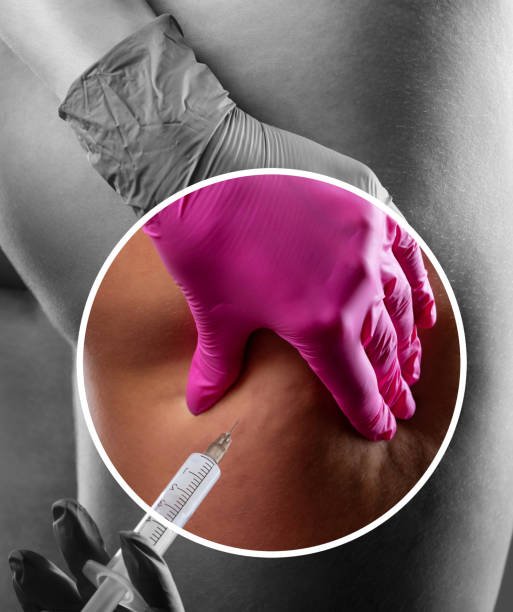
Fat reduction treatments have become increasingly popular among people seeking to improve their body contours without undergoing traditional surgery. Fat Melting Injections in Riyadh are one option for individuals who want to address specific areas of stubborn fat that may remain despite regular exercise and a balanced diet. Understanding how these treatments work, who may benefit from them, and what to expect during recovery can help patients make informed decisions about their aesthetic goals.
When researching treatment options, patients may also come across terms such as XPC slimming injection price(حقن xpc للتخسيس سعر) while comparing available services. However, understanding the treatment itself is more important than focusing solely on promotional claims. Different injectable products have different ingredients, approved uses, and safety considerations. A professional consultation can help clarify which options are appropriate for a patient's needs and whether injectable fat reduction is a suitable choice.
What Are Fat Reduction Injections?
Fat reduction injections are nonsurgical aesthetic treatments designed to reduce localized fat deposits in selected areas of the body. Certain injectable medications work by disrupting fat cells, which are then gradually processed by the body's natural mechanisms. Deoxycholic acid, for example, is used in specific approved treatments for reducing submental fat beneath the chin in eligible adults.
Not every slimming injection works in the same way, and products marketed for body contouring should not automatically be considered equivalent. Patients should ask about the active ingredients, regulatory approval, clinical evidence, and intended treatment area before proceeding. These details are essential for understanding both the potential benefits and the limitations of a particular procedure.
Which Areas Can Be Treated?
Chin and Jawline
The area beneath the chin is a common concern for people who want a more defined facial profile. When clinically appropriate, certain fat reduction injections can help reduce submental fullness and improve the appearance of the chin and jawline. Results depend on the amount of fat present, skin elasticity, and individual anatomy.
Abdomen and Waist
Some patients explore injectable treatments for localized fat around the abdomen and waist. However, evidence and approved indications vary considerably by product and treatment area. Injections approved for the chin should not automatically be used on the stomach or other body regions. A qualified practitioner can explain whether an appropriate treatment exists for the area being considered.
Other Localized Fat Deposits
Concerns involving the upper arms, thighs, or other body areas require an individualized assessment. Not every area responds well to injectable treatment, and alternative approaches may be more suitable depending on the location and volume of fat. A realistic treatment plan should prioritize safety, suitable techniques, and natural-looking outcomes.
Who Is a Suitable Candidate?
Fat reduction injections may be considered by adults with localized fat deposits who understand the limitations of nonsurgical contouring. They are not designed as a general weight-loss solution or a replacement for healthy lifestyle habits. People seeking substantial weight reduction may benefit more from a medically supervised weight-management plan.
During an assessment, the practitioner should review medical history, current medications, allergies, previous cosmetic procedures, and the patient's expectations. Certain health conditions, skin concerns, or medications may affect eligibility. Patients should disclose relevant medical information and avoid treatments that promise dramatic results without proper assessment.
What Happens During the Treatment?
The process usually begins with a consultation to evaluate the target area and discuss expected results. If treatment is appropriate, the practitioner identifies the planned injection sites and explains the procedure, possible discomfort, and aftercare requirements.
The injections are administered according to the specific product's instructions and clinical requirements. The number of sessions varies depending on the treatment, the area being addressed, and the patient's response. Patients should never attempt to administer fat reduction injections themselves or use products from unverified sources.
Recovery and Possible Side Effects
Temporary swelling, redness, tenderness, bruising, and discomfort can occur after injectable fat reduction. Some approved treatments, particularly those used beneath the chin, can cause more significant swelling. Less common but important complications may include infection, nerve injury, difficulty swallowing, or tissue damage.
Following the practitioner's aftercare instructions is essential. Patients should ask when they can resume exercise, which symptoms require medical attention, and how long recovery may take. Severe or worsening pain, signs of infection, difficulty swallowing, or breathing problems require prompt medical evaluation.
What Results Can Patients Expect?
Results generally develop gradually rather than immediately. Depending on the product and treatment area, patients may require multiple sessions, and the final outcome can vary. Fat reduction does not necessarily correct loose skin, improve muscle tone, or address every cause of an uneven body contour.
Maintaining a stable weight and following healthy lifestyle habits can help preserve overall body-contouring results. A consultation should include a realistic discussion of potential improvements, treatment limitations, and alternative procedures.
Frequently Asked Questions
Are fat reduction injections suitable for everyone?
No. Suitability depends on medical history, the target area, the product being used, and individual treatment goals. A professional assessment is necessary before proceeding.
How long does it take to see results?
Results typically develop over several weeks, depending on the product, treatment area, and individual response. Some patients may need additional sessions.
Are fat reduction injections a substitute for weight loss?
No. These treatments target specific fat deposits and are not intended to treat general obesity or produce substantial weight loss.
Can injections treat fat in every body area?
No. Approved uses and supporting evidence differ between products and body regions. Patients should confirm that the proposed treatment is appropriate for their intended area.
What should I check before choosing a clinic?
Ask about practitioner qualifications, product authenticity, regulatory approval, potential side effects, aftercare arrangements, and the clinic's approach to managing complications.
Book Your Consultation at Enfield Royal Clinic
Choosing an appropriate fat reduction treatment begins with reliable information and an individualized assessment. Enfield Royal Clinic(عيادة إنفيلد الملكية) can be your starting point for discussing your aesthetic concerns, understanding available treatment options, and exploring a plan that prioritizes your safety and realistic expectations. Arrange a consultation to learn more about suitable approaches to body contouring and make an informed decision about your next steps.

 English
 Arabic
 French
 Spanish
 Portuguese
 Deutsch
 Turkish
 Dutch
Dutch
 Russian
 Romaian
 Portuguese (Brazil)
 Greek
Greek