
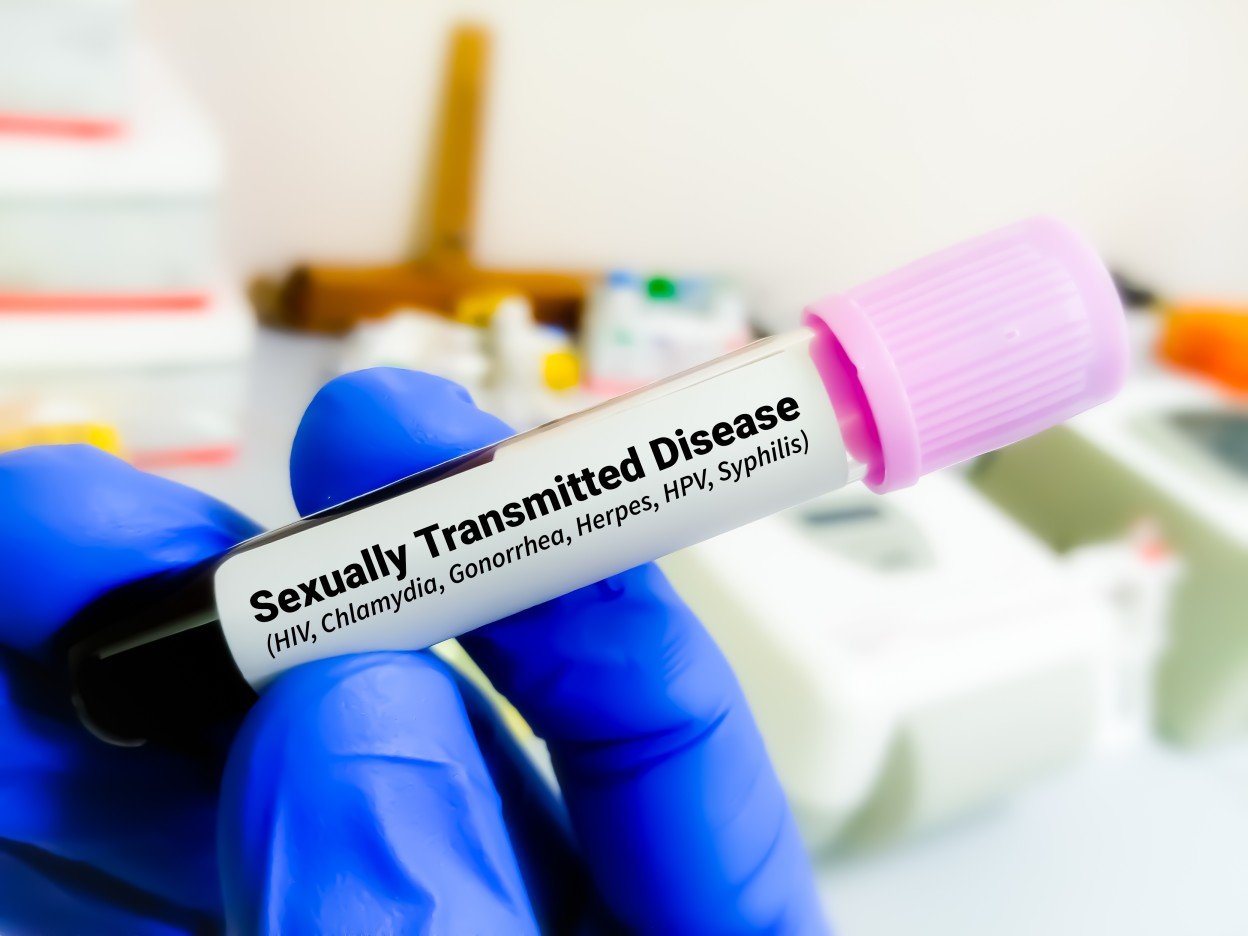
Walk into any clinic and you will see packages with names like basic, standard and comprehensive, but few people know what is actually inside them. If you are planning STD Testing in Dubai, understanding what a full panel covers helps you choose a package that matches your needs instead of guessing. A full panel is designed to screen for the most common sexually transmitted infections in one visit, using a mix of urine, blood and swab samples. This guide explains which infections are usually included, how each one is tested, and who benefits most from a complete screen.
Core Infections Covered in a Full STD Testing Panel in Dubai
Most comprehensive panels start with the infections that are both common and often silent. Chlamydia and gonorrhea are bacterial infections that frequently cause no symptoms, yet they can lead to pelvic inflammatory disease and fertility problems if left untreated. They are usually detected with a urine sample or a swab, using sensitive molecular methods.
Syphilis is another core test, checked through a blood sample. It can pass through several stages, and early detection allows simple treatment with antibiotics. HIV is also standard in a full panel, and modern tests can detect both antibodies and the virus itself, which shortens the window period. Together, these four infections form the foundation of almost every comprehensive screen.
Hepatitis and Other Blood Tests in a Full Panel
Hepatitis B and hepatitis C are usually added to a complete screen. Both affect the liver, and both can remain unnoticed for years while causing damage. A blood test can show current infection, past infection or immunity from vaccination, which is especially helpful for hepatitis B because an effective vaccine exists.
Some panels also include hepatitis A, particularly for people who travel often or who have had certain types of exposure. Herpes antibody testing may be offered as well, although doctors sometimes recommend it only when there are symptoms or a known exposure, because antibody results can be difficult to interpret in people without signs. A short discussion with the clinician helps decide which of these extras are actually useful for you.
Enfield STD Clinic and Extended Add-On Tests for Full Screening
Some people want to go beyond the standard list, especially when they have symptoms or a complicated history. If you split your time between countries, a service such as Enfield STD Clinic can be a useful option for confidential screening in the UK, while a licensed local provider handles your needs here. Extended panels may add trichomoniasis, mycoplasma genitalium, ureaplasma, HPV screening and bacterial vaginosis checks. These are not always needed, so ask your doctor which add-ons make sense for your age, symptoms and risk level before paying for them.
How Samples Are Collected for a Full STD Testing Panel
A full screen usually involves more than one type of sample, but each one is quick and simple.
Urine and Swab Samples
Chlamydia and gonorrhea are commonly checked with a first-catch urine sample, which means you avoid passing urine for an hour or two beforehand. If exposure involved the throat or rectum, the clinician may take a swab from those areas, because urine alone would miss infections at those sites. Women may be offered a vaginal swab, which can often be self-collected for comfort.
Blood Samples
A nurse takes a small amount of blood from your arm for HIV, syphilis and hepatitis tests. The procedure takes only a few minutes, and fasting is not usually required. You may feel a brief pinch, and a small bandage covers the spot afterwards.
Who Should Consider a Full STD Testing Panel
A complete screen suits people who want a clear baseline of their sexual health. New partners, multiple partners and partners with an unknown history are common reasons. Couples often test together before starting a relationship without barriers, before marriage or when planning a pregnancy.
It is also sensible after unprotected sex, a broken condom or when a partner tells you they have an infection. People who have moved from another country, who travel often or who have never been screened before may prefer a full panel for reassurance. If you have specific symptoms, a targeted test may be enough at first, but your doctor may still recommend a wider screen to check for other infections that often occur together.
What a Full Panel Does Not Cover
No panel tests for everything. Some infections are only checked when symptoms or specific risks are present, and some tests are not suitable for people without signs. HPV screening, for example, is usually done through cervical screening for women rather than as a routine test for everyone.
Timing also limits what a test can show. Each infection has a window period, which is the time between exposure and the point when a test can reliably detect it. If you were exposed only a few days ago, a normal result may not be final, and your doctor may suggest repeating some tests after several weeks.
Understanding Your Results and Next Steps
Most results arrive within one to three days. A doctor should explain each marker in plain language, including what is negative, what needs retesting and what requires treatment. Many bacterial infections are cleared with a short course of antibiotics, while viral infections can often be managed effectively with modern medicines.
If a result is positive, avoid sexual contact until your doctor says it is safe, finish all prescribed medicine and tell recent partners so they can be tested. If everything is normal, continue safe habits and plan regular screening based on your risk level.
Final Thoughts on the Full STD Testing Panel
A full panel gives you a complete picture of your sexual health in a single visit, covering common bacterial infections, viral infections and liver-related infections that often go unnoticed. The best package is the one that fits your history, symptoms and lifestyle, so ask what is included before you book. If you want clear answers and expert guidance, booking STD Testing in Dubai with a licensed, confidential provider is a simple and responsible step toward protecting your health and the people you care about.

 English
 Arabic
 French
 Portuguese
 Deutsch
 Turkish
 Dutch
Dutch
 Italiano
 Russian
 Romaian
 Portuguese (Brazil)
 Greek
Greek