
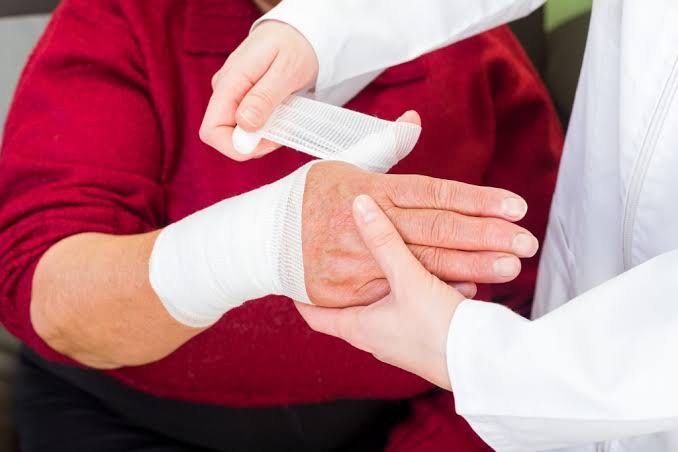
Managing a wound can feel challenging, especially when it requires regular dressing changes, careful monitoring, and professional attention. Wound Dressing at Home in Dubai provides patients with a convenient way to receive wound care in a familiar environment without making unnecessary trips to a clinic. Through services such as Doctor at Home, patients can access professional guidance and personalized support based on their wound condition and recovery needs. Whether you are recovering from surgery, managing an injury, or caring for an elderly family member, understanding what happens during your first home wound dressing visit can help you feel more prepared. From the initial assessment to dressing application and aftercare instructions, each step is designed to support safe wound management and a more organized recovery.
Understanding the Purpose of Your First Home Wound Dressing Visit:
The first home wound dressing visit allows a qualified healthcare professional to understand your condition, assess the wound, and determine how care should be provided according to your treatment plan. The professional may review your medical history, ask about the cause of the wound, and discuss previous treatments, allergies, medications, and any symptoms you have experienced. This information helps identify factors that could affect healing, such as diabetes, poor circulation, or recent surgery. The healthcare professional will also explain the proposed dressing procedure and answer questions about wound protection and follow-up care. Depending on the wound's complexity, coordination with your treating physician may be necessary before proceeding. The purpose of this initial visit is to establish an appropriate care routine that reflects your individual needs.
How to Prepare Before the Nurse Arrives:
Preparing for your first appointment can make the visit more comfortable and efficient. Before the nurse arrives, gather any discharge summaries, wound care instructions, medication lists, and relevant medical records that may help explain your condition. Choose a clean, well-lit area where the healthcare professional can work comfortably and keep pets or unnecessary distractions away from the dressing space. You should generally leave your existing dressing in place unless your care instructions say otherwise or an urgent problem requires attention. Avoid applying creams, antiseptics, or home remedies before the visit unless they have been recommended by your healthcare professional. Helpful preparations include:
-
Keeping medical records and prescriptions accessible.
-
Informing the provider about allergies and existing medical conditions.
-
Preparing a clean, comfortable space for the procedure.
-
Writing down questions about dressing changes and recovery.
-
Explaining any recent pain, bleeding, or changes in the wound.
These simple steps help the healthcare professional understand your situation and provide care more effectively.
The Initial Wound Assessment Process:
One of the first steps during the visit is examining the wound and the surrounding skin. The healthcare professional may assess its location, size, depth, appearance, drainage, and any signs of irritation or infection. They may also ask whether the wound has become more painful, whether the dressing has been getting wet, and how the area has changed since the previous treatment. For surgical wounds, the professional will follow the surgeon's instructions and avoid disturbing stitches, staples, or other closure materials unless authorized. The assessment helps determine whether the current dressing remains appropriate or whether the treating clinician should review the care plan. If the wound appears unusually deep, deteriorates, or shows concerning signs, additional medical evaluation may be needed before routine dressing care continues.
How the Nurse Performs the Dressing Change:
After assessing the wound, the nurse follows the prescribed procedure to remove the existing dressing, clean the area when indicated, and apply a suitable replacement. Hand hygiene and appropriate clean or sterile techniques are used according to the wound's clinical requirements. The existing dressing is removed carefully to avoid damaging fragile tissue, and the wound is managed using the recommended cleansing method. Depending on the wound's condition, the nurse may select a non-adherent dressing, absorbent pad, sterile gauze, or specialized product. The new dressing is secured in a way that protects the wound without unnecessary pressure. The exact procedure varies according to the wound type and treatment plan, so patients should not assume every dressing change follows the same steps. The nurse can explain what is happening throughout the visit and address any discomfort or concerns.
What You May Feel During the Procedure:
Your comfort during a wound dressing visit depends on the wound's location, sensitivity, healing stage, and the method used to remove and replace the dressing. Some patients experience mild pulling, tenderness, or temporary discomfort, especially when an old dressing has adhered to the wound. Inform the nurse if you feel significant pain rather than trying to tolerate it silently. The healthcare professional may adjust the technique or follow the prescribed pain management plan to make the procedure more comfortable. Patients should not take additional medication beyond their prescribed instructions without appropriate advice. After the dressing is applied, the nurse can explain how to protect the area during movement, rest, and everyday activities. Severe or increasing pain should be reported because it may indicate a problem that requires medical assessment.
Learning How to Care for the Wound Between Visits:
An important part of the first appointment is understanding what you should do after the nurse leaves. You may receive instructions about keeping the dressing clean and dry, avoiding unnecessary contact with the wound, and following the recommended schedule for dressing changes. The nurse should clarify whether you or a family caregiver can safely manage any routine tasks and which procedures must be performed by a qualified professional. General care reminders may include:
-
Wash your hands before and after handling wound dressings.
-
Keep the dressing protected according to the care instructions.
-
Avoid applying unapproved creams, powders, or home remedies.
-
Do not remove an attached dressing forcefully.
-
Follow the recommended activity restrictions and medication plan.
-
Attend scheduled follow-up appointments.
If the dressing becomes loose, wet, heavily soiled, or saturated, follow the instructions provided by your healthcare professional or contact the care team for advice.
Recognizing Warning Signs After Your Visit:
Monitoring your wound after the first dressing visit is essential because changes can occur between appointments. Some tenderness may be expected, but worsening pain, increasing redness, swelling, warmth, pus, or unusual discharge should not be ignored. An unpleasant odor accompanied by other changes may also require assessment. Fever, chills, or a wound that begins to open needs prompt medical attention. Patients with diabetes, poor circulation, or weakened immunity should be particularly careful because complications may progress more quickly. Contact your healthcare professional if you notice concerning changes, and seek urgent care for rapidly spreading redness, severe pain, or signs of serious illness. Severe bleeding or other life-threatening symptoms require emergency assistance. Never delay urgent treatment simply because another home visit has already been scheduled.
Questions to Ask During Your First Home Wound Dressing Visit:
Your first appointment is an opportunity to clarify the treatment plan and understand how your wound will be managed in the coming days. Asking questions can help you avoid confusion and feel more confident about the care routine. Consider discussing:
-
How often should the dressing be changed?
-
Which dressing materials are being used, and why?
-
Can I shower or bathe with the dressing in place?
-
What activities should I avoid during recovery?
-
Which symptoms mean I should contact a healthcare professional?
-
When should the wound be reassessed?
-
Who should I contact if the wound worsens between visits?
The answers will depend on your wound and medical condition. Make sure you understand the instructions before the visit ends, and ask for clarification whenever something is unclear.
Choosing a Reliable Home Wound Dressing Service in Dubai:
Selecting a qualified provider is important for receiving appropriate wound care. Before arranging visits, confirm that the provider is properly licensed and that the healthcare professional has suitable training and experience with your type of wound. Ask about hygiene practices, dressing supplies, wound assessment, documentation, follow-up scheduling, and communication with your treating physician. Patients recovering from surgery, managing chronic wounds, or living with diabetes may require a more specialized care plan. A reliable provider should explain what can be managed safely at home and when a clinic, specialist, or hospital assessment is necessary. Clear communication from the beginning helps patients and families understand the service, prepare for each visit, and follow the recommended care plan consistently.
Final Thoughts
Your first home wound dressing visit is an important step toward establishing a safe and organized wound care routine. From reviewing your medical history and assessing the wound to applying an appropriate dressing and explaining aftercare, the healthcare professional helps you understand what your recovery may involve. Wound Dressing at Home in Dubai offers a convenient option for patients who need professional support and are suitable for home-based treatment. Preparing for the visit, asking questions, following instructions, and monitoring warning signs can make wound care easier to manage. Remember that every wound is different, and the treatment plan should be guided by qualified healthcare professionals. Prompt medical attention remains essential whenever symptoms suggest infection or another serious complication.

 English
 Arabic
 French
 Spanish
 Portuguese
 Deutsch
 Turkish
 Dutch
Dutch
 Russian
 Romaian
 Portuguese (Brazil)
 Greek
Greek