
A blood sugar test is one of the most important tools for identifying diabetes, detecting prediabetes, and monitoring how well blood glucose levels are controlled. Because diabetes can develop gradually without obvious symptoms, testing helps people understand their health before complications arise. Whether you have risk factors for type 2 diabetes, have noticed unusual thirst or frequent urination, or are already managing diabetes, knowing how blood glucose testing works can help you make informed decisions about your care.
Blood Sugar Test Dubai measures the amount of glucose circulating in your blood. Glucose is the body's primary source of energy, but consistently high levels may indicate that insulin is not working effectively or that the body is not producing enough insulin. Understanding the different types of diabetes tests, their results, and when testing is recommended can help you take the right next step.
Why Is a Blood Sugar Test Important for Diabetes?
Diabetes affects how the body regulates blood glucose. Insulin, a hormone produced by the pancreas, helps glucose move from the bloodstream into cells for energy. When the body does not produce enough insulin or cannot use it properly, blood sugar levels may rise.
A blood sugar test can help healthcare professionals:
-
Detect diabetes before symptoms become severe.
-
Identify prediabetes, when blood glucose is higher than normal but not yet in the diabetes range.
-
Monitor glucose control in people already diagnosed with diabetes.
-
Evaluate symptoms such as excessive thirst, frequent urination, blurred vision, and unexplained fatigue.
-
Assess whether a diabetes treatment plan is working as intended.
Early detection is especially valuable because managing blood glucose, blood pressure, cholesterol, and other health factors can reduce the risk of long-term complications.
Which Blood Sugar Tests Are Used to Diagnose Diabetes?
Not every glucose test serves the same purpose. Some measure blood sugar at a particular moment, while others estimate average glucose levels over several months. A healthcare professional may recommend one or more tests depending on symptoms, medical history, and risk factors.
1. Fasting Blood Sugar Test
A fasting blood sugar test, also called a fasting plasma glucose test, measures glucose after you have had nothing to eat or drink except plain water for at least eight hours.
It is commonly used to screen for and diagnose prediabetes and diabetes.
For nonpregnant adults, the usual fasting blood glucose ranges are:
-
Normal: 99 mg/dL or lower
-
Prediabetes: 100–125 mg/dL
-
Diabetes range: 126 mg/dL or higher
If the result falls within the diabetes range, a repeat test or another diagnostic test is generally needed to confirm the diagnosis unless the clinical situation clearly establishes diabetes.
2. HbA1c Test
The HbA1c test, also known as the glycated hemoglobin test, estimates average blood glucose over approximately the previous two to three months. Unlike a fasting glucose test, it usually does not require fasting.
Common diagnostic ranges are:
-
Normal: Below 5.7%
-
Prediabetes: 5.7%–6.4%
-
Diabetes range: 6.5% or higher
The HbA1c test is useful because it provides a longer-term view of glucose control rather than a single reading. However, certain conditions, including some types of anemia, recent blood loss or transfusion, hemoglobin variants, and pregnancy-related factors, can affect its accuracy.
3. Oral Glucose Tolerance Test
An oral glucose tolerance test (OGTT) measures how the body processes glucose after you drink a standardized glucose solution. Blood glucose is usually measured before the drink and again two hours later.
For a standard two-hour OGTT in nonpregnant adults, results are generally interpreted as follows:
-
Normal: Below 140 mg/dL
-
Prediabetes: 140–199 mg/dL
-
Diabetes range: 200 mg/dL or higher
This test may be used when additional information is needed. It is also used in specific pregnancy-related screening protocols, where different testing procedures and thresholds may apply.
4. Random Blood Sugar Test
A random blood glucose test measures blood sugar at any time of day, regardless of when you last ate. It can be particularly helpful when someone has symptoms suggesting significantly elevated blood glucose.
A random plasma glucose result of 200 mg/dL or higher may establish diabetes when accompanied by classic symptoms of hyperglycemia or a hyperglycemic crisis. In other situations, additional testing is generally required.
A random reading should not be interpreted in isolation because meals, activity, illness, stress, and medications can influence glucose levels.
How to Understand Your Blood Sugar Test Results
Blood sugar results provide useful information, but their meaning depends on the type of test, preparation, symptoms, and overall medical history.
| Test | Normal range | Prediabetes range | Diabetes range |
|---|---|---|---|
| Fasting blood glucose | 99 mg/dL or lower | 100–125 mg/dL | 126 mg/dL or higher |
| HbA1c | Below 5.7% | 5.7%–6.4% | 6.5% or higher |
| Two-hour OGTT | Below 140 mg/dL | 140–199 mg/dL | 200 mg/dL or higher |
These ranges apply to standard diagnostic testing in nonpregnant adults. Individual circumstances may require different interpretation.
A result in the prediabetes range suggests an increased risk of developing type 2 diabetes, but it does not mean that diabetes is inevitable. Lifestyle changes and appropriate medical follow-up can help reduce risk.
Similarly, one abnormal result does not always confirm diabetes. When symptoms are not clear, healthcare professionals typically confirm a diabetes-range result with a repeat test or another accepted diagnostic test. Do not rely on a home glucose meter alone to diagnose diabetes.
Who Should Consider Getting a Diabetes Blood Test?
Testing is recommended for people with symptoms of high blood sugar and for those whose age, health history, or other risk factors increase their likelihood of developing diabetes.
You may need screening if you:
-
Are overweight or have obesity, particularly with other risk factors.
-
Have a parent, sibling, or other close family member with type 2 diabetes.
-
Have high blood pressure, abnormal cholesterol levels, or cardiovascular disease.
-
Have a history of prediabetes.
-
Have previously experienced gestational diabetes or have certain pregnancy-related risk factors.
-
Have a medical condition or take medication that may affect glucose regulation.
Many adults should begin routine screening by age 35, with earlier or more frequent testing considered when risk factors are present. Recommendations can vary according to clinical guidelines and individual circumstances.
Common symptoms that warrant medical assessment include increased thirst, frequent urination, unexplained weight loss, persistent fatigue, blurred vision, and slow-healing wounds. Some people with type 2 diabetes experience few or no noticeable symptoms, making routine screening important.
How to Prepare for a Blood Sugar Test
Preparation depends on the test your healthcare professional orders.
For a fasting glucose test: You will generally need to avoid food and caloric drinks for at least eight hours. Plain water is usually allowed. Follow the laboratory's instructions about the timing of your test.
For an HbA1c test: Fasting is usually unnecessary. You can generally eat and drink as normal unless another test is being performed at the same time.
For an OGTT: You may need to follow specific instructions about your usual diet, fasting period, and the time required at the testing facility.
For a random glucose test: No fasting is required, but tell the healthcare professional when you last ate and whether you are feeling unwell.
Do not stop prescribed medication or change your insulin dose without medical guidance. If you use insulin or another medicine that can cause low blood sugar, ask how to prepare safely for a fasting test.
What Happens During the Test?
Most blood glucose tests involve a small blood sample collected from a vein in your arm. A trained professional cleans the skin, inserts a needle, collects the sample, and sends it for laboratory analysis. The blood draw usually takes only a few minutes.
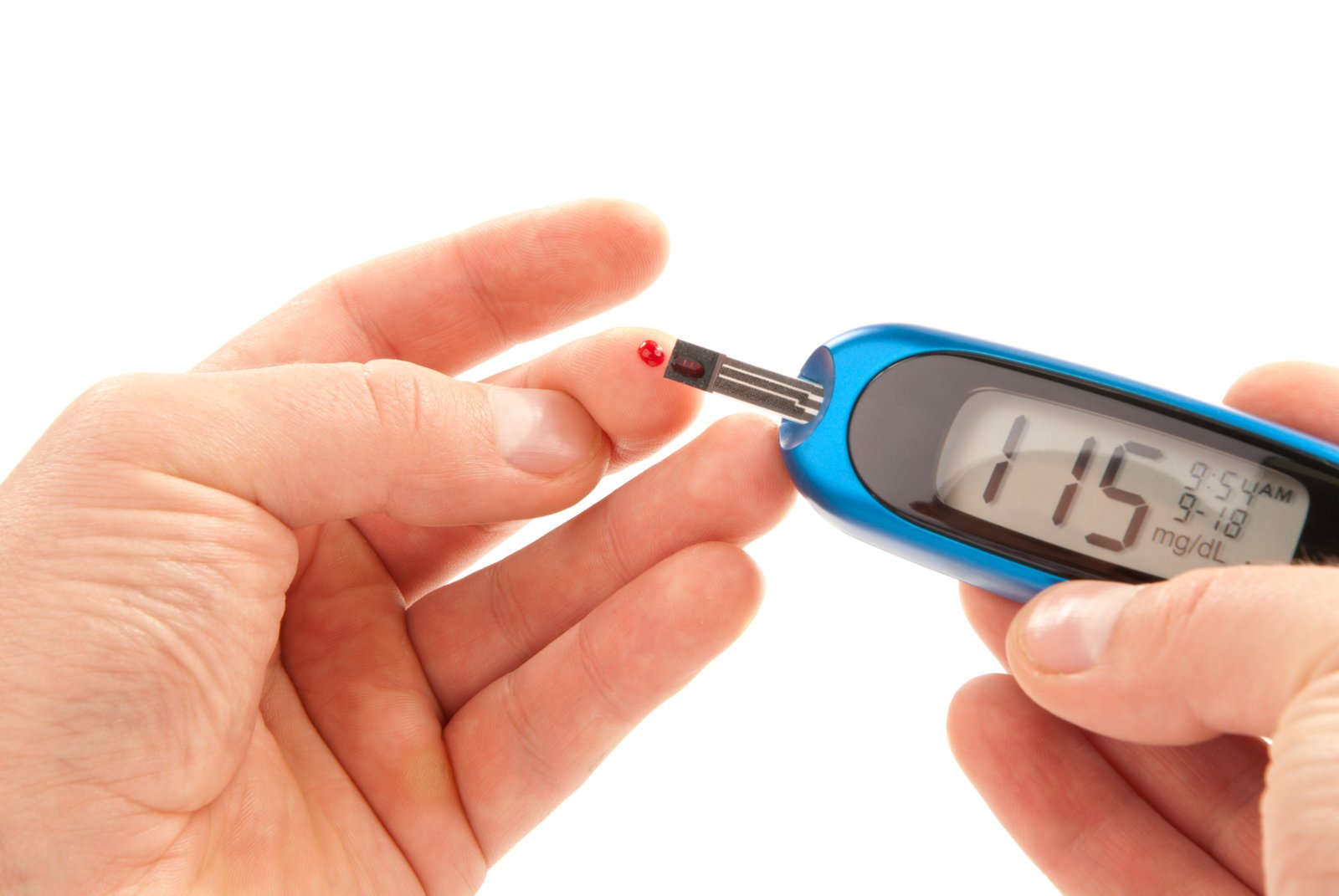
For a home blood glucose test, a meter measures glucose from a small drop of blood obtained with a lancet. Continuous glucose monitoring systems use a sensor to estimate glucose levels throughout the day.
These methods have different purposes. Laboratory tests are commonly used to diagnose diabetes, while home meters and continuous glucose monitors help people with diagnosed diabetes monitor daily glucose patterns and make treatment decisions with appropriate guidance.
What Happens After an Abnormal Result?
An abnormal blood sugar result is a reason to follow up, not a reason to panic. Your healthcare professional may repeat the test, order an HbA1c test, or recommend an OGTT to clarify the result.
If prediabetes is identified, practical steps may include improving food choices, increasing physical activity, achieving a sustainable weight when appropriate, getting sufficient sleep, and attending follow-up appointments. Medication may be considered for some people depending on their risk profile.
If diabetes is confirmed, treatment depends on the type of diabetes, glucose levels, other medical conditions, and individual needs. Management may include nutrition planning, physical activity, blood glucose monitoring, medication, or insulin.
Seek urgent medical care if high blood sugar occurs with vomiting, abdominal pain, deep or rapid breathing, confusion, severe dehydration, or unusual drowsiness. These symptoms may indicate a serious complication, particularly in someone with known or suspected diabetes.
Frequently Asked Questions
Can a blood sugar test detect diabetes early?
Yes. Fasting blood glucose and HbA1c testing can identify prediabetes and diabetes before noticeable symptoms develop. Routine screening is particularly useful for people with risk factors.
Is a fasting blood sugar test better than an HbA1c test?
Neither test is universally better. Fasting glucose measures blood sugar at one point in time, while HbA1c estimates average glucose over several months. A clinician may use either test or both, depending on the circumstances.
Can stress affect blood sugar test results?
Yes. Illness, physical stress, poor sleep, and some medications can temporarily raise blood glucose. Share relevant health information and medication details with your healthcare professional when discussing your results.
Can I diagnose diabetes using a home glucose meter?
A home meter can help monitor blood sugar, but it is not generally used by itself to establish a diabetes diagnosis. Diagnosis usually relies on appropriate laboratory testing and, when necessary, confirmation by a second test.
How often should I get tested?
Testing frequency depends on your age, risk factors, previous results, pregnancy status, and whether you already have diabetes. Someone with normal results may need less frequent screening than someone with prediabetes or established diabetes. Follow a schedule recommended by your healthcare professional.
Take Control of Your Blood Sugar Health
A blood sugar Lab tests for diabetes offers valuable information about how your body regulates glucose. Fasting blood glucose, HbA1c, oral glucose tolerance testing, and random glucose testing each provide different insights, helping healthcare professionals identify diabetes, recognize prediabetes, and guide ongoing care.
The most important step is to understand your results in context rather than drawing conclusions from a single number. If you have symptoms, risk factors, or an abnormal result, arrange a discussion with a qualified healthcare professional. With timely testing, informed decisions, and an appropriate care plan, you can take meaningful steps toward protecting your long-term health.

 English
 Arabic
 Spanish
 Portuguese
 Deutsch
 Turkish
 Dutch
Dutch
 Italiano
 Russian
 Romaian
 Portuguese (Brazil)
 Greek
Greek