
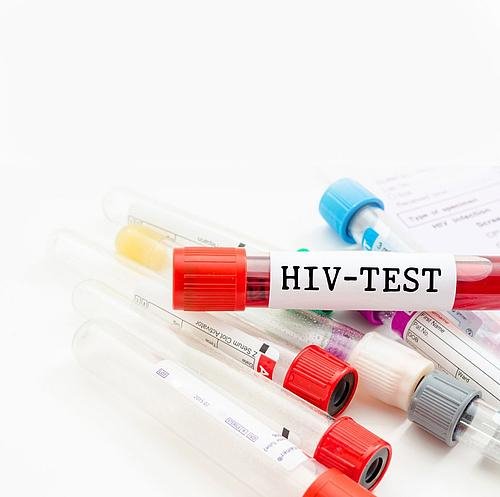
HIV Testing in Dubai offers different screening options to help individuals understand their HIV status. Two commonly discussed methods are rapid HIV tests and laboratory-based HIV tests. Both can help identify HIV infection, but they differ in how samples are collected, how quickly results are available, and which markers they detect.
Understanding these differences can help you discuss the most appropriate option with a qualified healthcare professional. The right choice depends on the timing of possible exposure, the type of test available, and whether additional testing is needed.
What Is a Rapid HIV Test?
A rapid HIV test is designed to provide preliminary results within a short period, often around 20 to 30 minutes, depending on the test used.
Some rapid tests use a small blood sample collected through a finger prick, while others use oral fluid. These tests commonly detect antibodies against HIV, although the exact method depends on the product.
Rapid testing can be useful when a quick initial result is important. However, rapid tests do not all have the same detection window, and a negative result may not rule out infection after recent exposure.
If a rapid screening result is reactive, follow-up testing is necessary to confirm the diagnosis.
What Is a Laboratory-Based HIV Test?
Laboratory-based HIV tests involve collecting a sample that is analyzed using specialized equipment. Many laboratories use fourth-generation antigen-antibody tests, which detect both HIV antibodies and the p24 antigen.
These tests can generally detect HIV 18 to 45 days after exposure when blood is collected from a vein. Results may take a few days, depending on laboratory procedures.
Laboratory testing is commonly recommended for routine screening because fourth-generation tests can detect many infections earlier than antibody-only tests. The appropriate method still depends on individual circumstances and the healthcare provider's assessment.
Key Differences Between Rapid and Laboratory HIV Tests
Result Turnaround Time
Rapid tests can provide preliminary results during the same appointment. Laboratory tests usually take longer because samples must be processed and analyzed.
The actual turnaround time varies by testing provider, and reactive screening results may require additional testing.
Sample Collection
Rapid tests may use finger-prick blood or oral fluid. Laboratory-based fourth-generation tests typically use blood drawn from a vein.
The collection method depends on the test being performed and the testing facility's procedures.
Detection Window
The detection window is the time between acquiring HIV and when a test can reliably identify the infection.
Laboratory-based fourth-generation tests using venous blood generally have a window of 18 to 45 days. Antibody-only tests, including many rapid tests, may have a window of approximately 23 to 90 days.
Because different tests have different detection windows, ask which method is being used and whether repeat testing will be necessary.
Which HIV Test Is More Accurate?
Both rapid and laboratory tests can provide reliable results when used correctly. However, accuracy depends on the specific test, the timing of testing, and whether the recommended follow-up process is completed.
Laboratory-based fourth-generation tests can detect many infections earlier than antibody-only rapid tests. This can be especially relevant for people seeking testing after a recent possible exposure.
A negative result obtained during the window period may not exclude infection. If the result is reactive, confirmatory testing is required rather than relying on the initial screening result alone.
When Should You Choose a Rapid HIV Test?
A rapid test may be suitable when you want an initial result during the same appointment or when a particular rapid testing service is more accessible.
However, it is important to understand the test's limitations. If the possible exposure occurred recently, a negative result may need to be followed by another test after the relevant window period.
A healthcare professional can help determine whether rapid testing is appropriate or whether laboratory testing would be more suitable.
When Is Laboratory HIV Testing Recommended?
Laboratory testing may be appropriate for routine screening, assessment after a potential exposure, or situations where an antigen-antibody test is recommended.
If a healthcare professional suspects early HIV infection despite a negative screening result, they may consider additional testing, including an HIV RNA test.
People taking post-exposure prophylaxis (PEP) or pre-exposure prophylaxis (PrEP) should follow an individualized testing schedule because these medications can affect testing considerations.
What Should You Do After Possible HIV Exposure?
If you think you may have been exposed to HIV within the past 72 hours, seek urgent medical advice about post-exposure prophylaxis (PEP). PEP should be started as soon as possible when indicated and taken as prescribed.
Do not delay seeking care while deciding between a rapid test and a laboratory test. A healthcare professional can assess the exposure, discuss prevention, and recommend suitable testing.
How to Choose HIV Testing in Dubai
When arranging HIV Testing in Dubai, ask whether the service offers rapid testing, laboratory-based fourth-generation testing, or other methods when clinically indicated.
Find out when results are expected, what the test can detect, and whether follow-up testing may be required. It is also important to choose a qualified healthcare provider that explains confidentiality and the next steps after screening.
Most routine HIV blood tests do not require fasting, although instructions may vary when other tests are performed at the same appointment.
Conclusion
Rapid and laboratory HIV tests serve important roles in screening, but they differ in turnaround time, sample collection, and detection windows. A rapid test can provide a quick preliminary result, while a laboratory-based fourth-generation test may identify infection earlier than many antibody-only tests. The most appropriate option depends on the timing of possible exposure and your healthcare needs. Consult a qualified professional to select the right test and understand when repeat screening may be necessary.

 English
 Arabic
 French
 Spanish
 Portuguese
 Deutsch
 Turkish
 Dutch
 Russian
 Romaian
 Portuguese (Brazil)
 Greek