
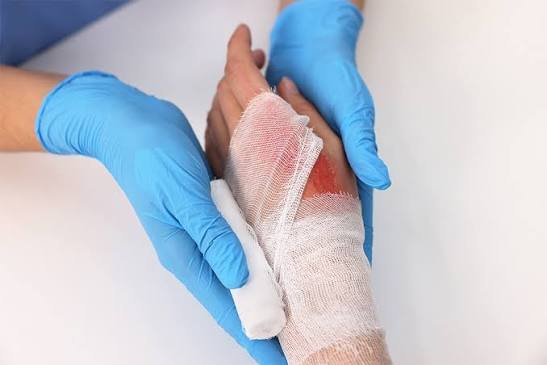
Choosing the right dressing is an important part of protecting injured skin, managing wound drainage, and supporting the body's natural healing process. Wound Dressing at Home in Dubai allows patients to receive professional wound care in a familiar environment, where qualified nurses can assess the wound and recommend appropriate dressing care according to the prescribed treatment plan. Whether a patient is recovering from surgery, managing a chronic ulcer, or dealing with a skin injury, a careful assessment helps determine the most suitable approach. A Doctor at Home or another qualified healthcare professional may also evaluate related medical concerns and recommend further treatment when necessary. Understanding how nurses assess wounds can help patients and caregivers appreciate the importance of personalized care and regular monitoring.
Why Wound Assessment Is Important Before Dressing Selection:
Before choosing a dressing, a nurse needs to understand the wound's condition, the patient's medical history, and the factors that may affect healing. Different wounds have different requirements, so the same dressing may not be suitable for a surgical incision, a pressure injury, a burn, or a superficial cut. During an assessment, the nurse considers the wound's appearance, depth, location, drainage, surrounding skin, and any signs of infection. The patient's age, mobility, circulation, nutritional status, and underlying conditions may also influence the care plan. This initial evaluation helps identify the level of protection and moisture management required and whether further medical assessment is necessary. A suitable dressing should support the wound's needs rather than simply cover the injured area.
Reviewing the Patient's Medical History and Health Conditions:
A nurse begins by gathering information about the patient's overall health and the circumstances surrounding the injury. Questions may cover when the wound developed, how it occurred, previous treatment, existing medications, allergies, and any changes since the last dressing. Conditions such as diabetes, poor circulation, reduced immunity, and certain vascular disorders can affect healing and increase the risk of complications. Some medicines may also influence bleeding or other aspects of recovery, making an accurate medication history important. The nurse may ask whether the patient has experienced similar wounds before or has difficulty moving, repositioning, or caring for the affected area. This information helps the healthcare team understand the patient's individual needs and determine whether routine dressing care is appropriate or additional clinical review should be arranged.
Examining the Wound's Size, Depth, and Location:
A visual and physical assessment, performed within the nurse's professional scope, helps establish the wound's characteristics before a dressing is selected. The nurse may measure its length and width and assess depth when appropriate, while observing the wound edges and surrounding tissue. The location is also important because wounds over joints, heels, elbows, or other pressure-prone areas may be affected by movement, friction, or repeated pressure. A shallow wound with limited drainage may need a different dressing from a deep wound or one with substantial fluid production. Nurses may document their observations to compare changes at future visits and identify whether healing is progressing. Patients should understand that measurements and visual appearance are only part of the assessment; the cause of the wound and the patient's wider health also influence treatment decisions.
Evaluating Wound Drainage and Moisture Levels:
The amount and characteristics of wound drainage, often called exudate, can help a nurse determine which dressing is appropriate. Some wounds produce little fluid, while others release moderate or heavy amounts that require more absorbent materials. The nurse observes whether the dressing is becoming saturated too quickly and whether the surrounding skin appears overly moist, softened, or irritated. Maintaining an appropriate moisture balance is important because excessive dryness may cause a dressing to adhere to healing tissue, while too much moisture can damage the skin around the wound. Clear or lightly coloured drainage may occur during healing, but changes such as thick discharge, increasing drainage, or an unusual new odour require careful evaluation. Dressing selection should account for these observations and be reviewed if the wound's drainage pattern changes.
Checking for Signs of Infection or Delayed Healing:
Identifying signs of infection or delayed healing is an important part of wound assessment because these problems may require treatment beyond a routine dressing change. A nurse checks for changes such as increasing redness, warmth, swelling, worsening pain, pus, or an unusual odour and may ask about fever or feeling generally unwell. The nurse also considers whether the wound is becoming larger, deeper, or showing limited progress over time. Patients with diabetes, reduced immunity, or poor circulation may require particularly careful monitoring. If infection or another complication is suspected, the nurse may contact the treating clinician or recommend prompt medical evaluation rather than relying on a different dressing alone. Severe symptoms, rapidly spreading redness, heavy bleeding, or signs of serious illness require urgent medical attention.
Considering the Surrounding Skin and Dressing Sensitivity:
The skin around a wound needs protection as well as the wound itself, especially in older adults and patients with fragile or sensitive skin. A nurse examines the surrounding area for redness, dryness, swelling, skin tears, or irritation caused by previous adhesives and dressing materials. Repeated removal of strongly adhesive products can damage delicate skin and cause additional discomfort. Based on the assessment, a suitable non-adherent dressing or an alternative fixation method may be considered when clinically appropriate. The nurse also checks for known allergies to adhesives, latex, or wound care products and follows the patient's treatment instructions. Patients should mention previous reactions to dressings or cleansing products before care begins. Protecting the surrounding skin can help reduce avoidable trauma and make dressing changes more comfortable.
Matching the Dressing to the Wound's Specific Needs:
After considering the wound and the patient's health, the nurse selects or applies the dressing specified by the care plan and within their professional responsibilities. Different materials serve different purposes, such as absorbing drainage, protecting delicate tissue, maintaining appropriate moisture, or reducing friction. Examples include non-adherent dressings for selected fragile wounds, absorbent foam dressings for certain wounds with greater drainage, and transparent film dressings for appropriate superficial wounds with minimal fluid. These options are not interchangeable, and specialized products may be unsuitable for particular wound types. The nurse considers the wound's condition, the need for inspection, surrounding skin sensitivity, and the expected interval before the next change. If the assessment suggests that the existing treatment is not appropriate, the nurse should seek the required clinical guidance rather than making unsupported changes to the treatment plan.
The Role of Professional Wound Dressing at Home in Dubai:
Wound Dressing at Home in Dubai gives eligible patients access to professional wound assessment and dressing support without unnecessary travel, which may be particularly helpful after surgery or when mobility is limited. During a home visit, a qualified nurse can review the wound's current condition, follow the prescribed dressing plan, document relevant changes, and explain how to protect the area between appointments. Patients and caregivers should share information about new symptoms, allergies, medications, and previous difficulties with wound care. Important points to discuss during a visit include:
-
How often the dressing should be changed.
-
Whether the wound needs to remain dry or requires other precautions.
-
Which changes should be reported to the healthcare team.
-
How to protect the wound from pressure, friction, or contamination.
-
When the next assessment or follow-up appointment is needed.
Home nursing can support continuity of care, but it does not replace specialist evaluation or emergency treatment when these are required.
Monitoring Wound Progress During Follow-Up Visits:
Wound assessment does not end when the first dressing is applied. During subsequent visits, the nurse compares the wound with previous observations to determine whether its size, drainage, appearance, and surrounding skin are changing. These comparisons help identify improvement, persistent problems, or signs that further assessment is necessary. The nurse may document the wound's measurements, dressing type, and relevant observations so that members of the healthcare team can follow the progress consistently. Patients should report changes between appointments rather than waiting if the wound begins to deteriorate. The dressing plan may need review as the wound heals or if new symptoms develop, but treatment changes should follow appropriate clinical guidance. Regular assessment helps ensure that wound care remains responsive to the patient's condition.
Final Thoughts
Nurses assess wounds by examining their size, depth, location, drainage, surrounding skin, and potential signs of infection while considering the patient's medical history and healing risks. This careful evaluation helps determine which dressing is suitable and whether additional medical care is required. Wound Dressing at Home in Dubai provides eligible patients with a convenient option for receiving professional wound assessment, dressing support, and ongoing monitoring in a familiar setting. Patients should follow the prescribed care plan, communicate new symptoms promptly, and attend recommended follow-up visits. By combining individualized dressing selection with regular assessment, healthcare professionals can support safer wound management and help identify complications before they become more serious.

 English
 Arabic
 French
 Spanish
 Portuguese
 Deutsch
 Turkish
 Italiano
 Russian
 Romaian
 Portuguese (Brazil)
 Greek