
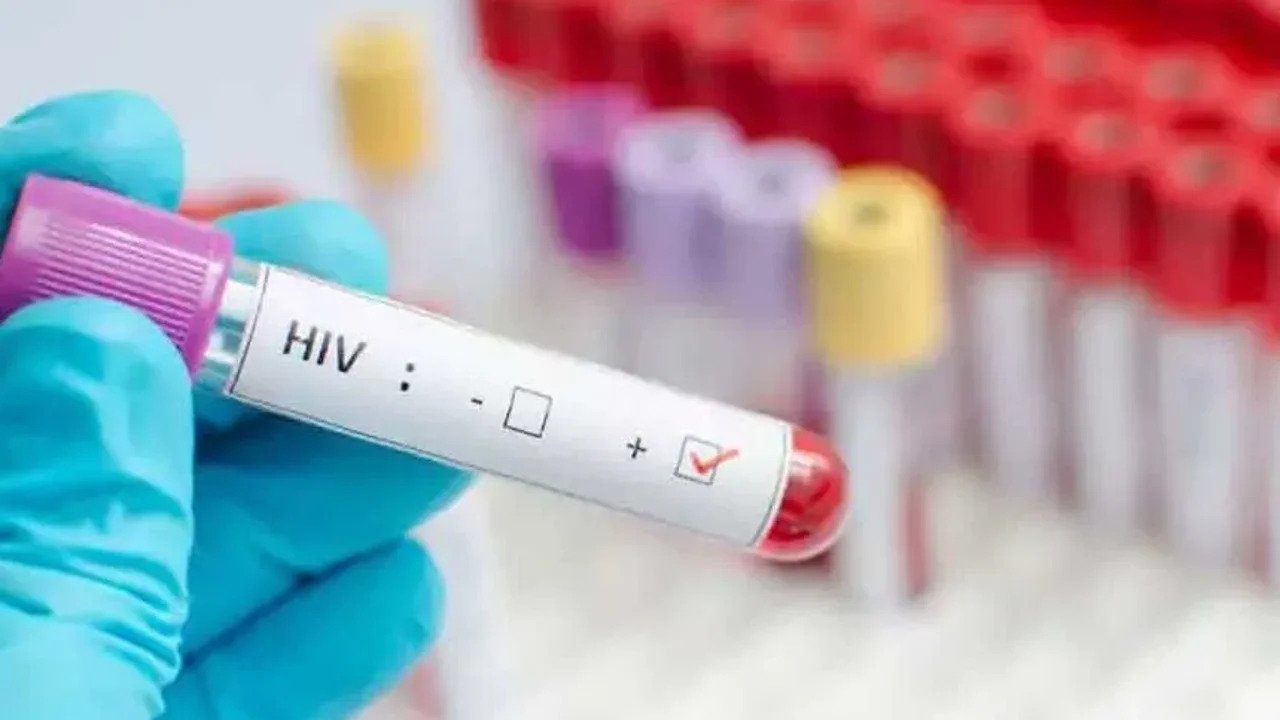
Knowing your HIV status is an important part of maintaining good health. Human Immunodeficiency Virus (HIV) can affect the immune system, and some people may not experience noticeable symptoms during the early stages of infection. This makes medical testing essential for identifying the virus and seeking appropriate care. People considering HIV Testing in Dubai should understand when screening is recommended, which testing methods are available, and why timely diagnosis matters.
Why Is HIV Testing Important?
HIV testing helps identify whether someone has acquired the virus. Since early HIV infection may not cause obvious symptoms, a person cannot reliably determine their status based on how they feel.
Testing provides several important benefits, including early diagnosis, access to medical treatment, and better awareness of sexual health.
In Dubai, individuals can consider HIV screening through appropriate healthcare facilities and diagnostic laboratories. Choosing a suitable test and following professional medical advice helps ensure accurate results.
When Should You Consider Getting Tested?
HIV testing may be appropriate in several situations. Understanding potential exposure and personal health circumstances can help determine when screening is necessary.
After Unprotected Sexual Contact
Unprotected vaginal or anal sexual contact can involve a risk of HIV transmission, particularly when the other person's HIV status is unknown.
Anyone concerned about possible exposure should seek medical advice about appropriate testing and preventive options.
After Sharing Needles or Injection Equipment
Sharing needles, syringes, or other injection equipment can transmit HIV through infected blood.
People who have experienced this type of exposure should discuss testing with a healthcare professional.
When Starting a New Relationship
Some couples choose HIV screening before becoming sexually active or making decisions about their sexual health.
Testing can help both partners understand their status and discuss appropriate preventive measures.
During Routine Sexual Health Screening
Regular screening may be appropriate for people with ongoing exposure risks, multiple partners, or other circumstances identified by their healthcare professional.
HIV testing in Dubai can be included as part of a broader sexual health assessment when clinically appropriate.
How Soon Can HIV Be Detected After Exposure?
The time required to detect HIV depends on the type of test being used. This period is known as the window period.
Different tests have different detection windows:
-
NAT: Approximately 10–33 days after exposure.
-
Laboratory fourth-generation antigen/antibody test: Approximately 18–45 days.
-
Antibody test: Approximately 23–90 days.
These are general detection ranges. A negative result obtained before the end of the relevant window period may require repeat testing.
If you believe you have been exposed to HIV within the last 72 hours, seek urgent medical attention to discuss post-exposure prophylaxis (PEP). It should be started as soon as possible.
Common HIV Testing Methods
Modern diagnostic laboratories use different testing methods to identify HIV infection.
Fourth-Generation HIV Test
This laboratory test detects HIV antibodies and the p24 antigen. It can identify infection earlier than many antibody-only tests.
HIV Antibody Test
This method identifies antibodies produced by the immune system in response to HIV infection. Its detection window is generally longer than that of laboratory fourth-generation testing.
HIV RNA Test
An HIV RNA test looks for the virus's genetic material in the blood. It can detect infection earlier in some circumstances and may be recommended when recent exposure is suspected.
A healthcare professional can recommend the most appropriate option based on exposure timing and medical history.
What Happens During an HIV Testing Appointment?
The testing process is generally straightforward. A healthcare professional explains the procedure and collects the required sample.
For laboratory-based screening, a small blood sample is commonly collected from a vein in the arm. The sample is then analyzed to detect the markers associated with HIV infection.
Some rapid tests use a finger-prick blood sample or oral fluid.
People arranging HIV testing in Dubai should ask the laboratory about the available methods, result timelines, and whether follow-up testing may be necessary.
Can You Have HIV Without Experiencing Symptoms?
Yes. A person can acquire HIV without experiencing noticeable symptoms. Some individuals develop flu-like symptoms during early infection, while others may feel completely healthy.
Possible early symptoms include fever, sore throat, rash, swollen lymph nodes, fatigue, and muscle aches. However, these symptoms are not specific to HIV and can occur with many other conditions.
Testing is the only reliable way to determine HIV status. Waiting for symptoms can delay diagnosis and treatment.
Understanding Your HIV Test Results
HIV test results generally fall into two categories: non-reactive and reactive.
A non-reactive result means the test did not detect the HIV markers it was designed to identify. However, the result must be considered alongside the test's window period.
A reactive screening result requires additional testing. It should not be treated as a confirmed diagnosis until the recommended confirmatory testing process is completed.
Healthcare professionals can explain the findings and recommend appropriate next steps.
Why Choose Professional HIV Screening in Dubai?
Professional screening provides access to appropriate testing methods, trained healthcare staff, and guidance about interpreting results.
When choosing a diagnostic facility, consider laboratory standards, confidentiality policies, testing options, and access to follow-up support.
Patients should also receive clear information about the window period and the need for repeat testing when applicable.
Final Thoughts
HIV testing is important for identifying infection, accessing timely treatment, and making informed decisions about personal health. Understanding when to get tested and which method to choose can help reduce uncertainty and support accurate diagnosis.
If you are considering HIV testing in Dubai, consult a qualified healthcare professional or diagnostic laboratory to discuss your circumstances and select an appropriate testing schedule. Early detection and proper medical guidance play an important role in long-term health management.

 English
 Arabic
 French
 Spanish
 Portuguese
 Deutsch
 Turkish
 Dutch
 Russian
 Romaian
 Portuguese (Brazil)
 Greek