
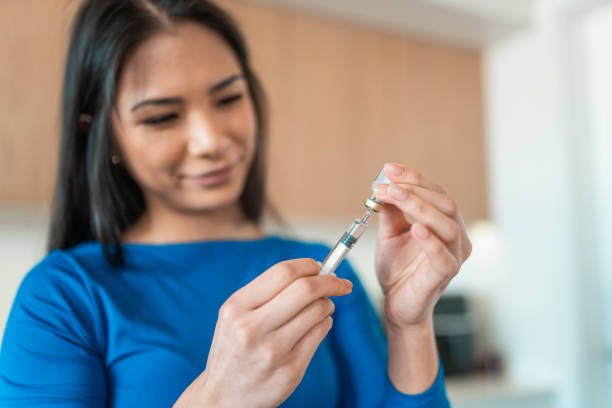
Peptide-based therapies are attracting attention among women seeking support for skin aging, body composition, sleep, sexual wellness, and menopause-related changes. Peptide Treatment in Riyadh While some peptide medicines are well established, many products marketed for anti-aging or wellness remain unproven and require careful medical evaluation.
What Are Peptides?
Peptides are short chains of amino acids that help regulate communication between cells. In the body, they can influence hormone signaling, metabolism, inflammation, tissue repair, and skin renewal.
Peptide therapies are not all the same. Some are approved prescription medicines with strong clinical evidence, while many peptides promoted for recovery, body composition, or healthy aging have limited or no high-quality human research.
Why Women Explore Peptides
Peptide Treatment in Riyadh is often considered by women interested in improving skin quality, managing visible signs of aging, supporting fitness recovery, or addressing changes associated with perimenopause and menopause. These goals are valid, but treatment should begin with an assessment of the underlying cause rather than a trend-driven product choice.
Interest in peptides Saudi Arabia reflects a growing demand for personalized aesthetic and wellness care. Still, women should be especially cautious with hormone-related products, particularly during pregnancy, breastfeeding, fertility treatment, or when planning conception.
Potential Benefits
The possible benefits of peptide treatment depend on the specific compound, its approved use, and the individual’s health profile.
-
Skin support: Certain peptide-based skincare ingredients are used to support hydration, firmness, and the appearance of fine lines.
-
Metabolic care: Approved GLP-1 receptor agonists are peptide-based medicines used under clinical supervision for weight management and type 2 diabetes.
-
Sexual wellness: Bremelanotide is an approved peptide medicine for premenopausal women with acquired, generalized hypoactive sexual desire disorder.
-
Fertility care: Some peptides, including kisspeptin and GnRH-related medicines, are used or studied in closely supervised fertility protocols.
-
Bone health: Certain peptide medicines are approved for postmenopausal osteoporosis, illustrating that peptide therapy can have legitimate medical applications.
These benefits should not be generalized to every peptide marketed online. A treatment that helps one condition may be ineffective—or unsafe—for another.
Risks and Uncertainties
The main concern is that “peptide therapy” is often used as a broad label for products with very different levels of evidence. Approved medicines have known side effects and monitoring plans; unapproved products may have unknown purity, dosing, and long-term effects.
Important risks include:
-
Allergic and immune reactions: Peptides can trigger immune responses, including rare severe allergic reactions.
-
Injection-related complications: Non-sterile technique or contaminated products can cause infection, irritation, or abscesses.
-
Hormonal disruption: Peptides that affect reproductive hormones may interfere with menstrual cycles, ovulation, fertility treatment, or contraception.
-
Pregnancy and breastfeeding concerns: Most non-essential peptide protocols should be avoided during pregnancy and breastfeeding because safety data are limited or absent.
-
Product-quality concerns: Products bought through gray-market sellers may be contaminated, mislabeled, incorrectly dosed, or contain undisclosed substances.
-
Unrealistic expectations: Improvements in a lab marker or hormone level do not guarantee visible anti-aging, weight-loss, or fertility benefits.
Pregnancy and Fertility
Women who are pregnant, breastfeeding, or trying to conceive should not begin peptide treatment without specialist guidance. Hormone-modulating peptides can affect ovulation and reproductive signaling, while many popular products have no adequate human safety data for early pregnancy.
For GLP-1 medicines used for weight management, professional guidance generally advises avoiding use during pregnancy and considering discontinuation one to two months before conception. These medicines may also improve fertility indirectly through weight loss, so effective contraception and pregnancy planning are important.
Anyone who becomes pregnant while using a peptide product should contact their obstetrician, gynecologist, or prescribing clinician promptly rather than simply stopping or continuing treatment on their own.
Who May Be Suitable?
A peptide plan may be appropriate when there is a clear medical or aesthetic goal, a licensed clinician has confirmed suitability, and the product is regulated and traceable. It is particularly important to review menstrual history, reproductive plans, chronic conditions, allergies, and all current medicines or supplements.
A clinician may recommend extra caution—or avoid treatment—for women with:
-
Pregnancy, breastfeeding, or a near-term plan to conceive.
-
A history of hormone-sensitive cancer or unclear oncology advice.
-
Uncontrolled diabetes, cardiovascular disease, kidney disease, or liver disease.
-
Active fertility treatment, irregular cycles, or unexplained hormonal symptoms.
-
Previous severe allergic reactions to medicines or injectable therapies.
Questions to Ask First
Before agreeing to treatment, ask whether the peptide is approved for your specific condition, what human evidence supports it, how its quality is verified, what side effects are possible, and what monitoring will be required.
Also ask about alternatives. For menopause symptoms, sleep issues, low libido, or body-composition concerns, established medical and lifestyle approaches may be safer or more effective than an unapproved peptide protocol.
In Saudi Arabia, synthetic peptides are subject to regulatory quality requirements, making licensed medical care and transparent sourcing especially important.
For those seeking expert guidance and customized aesthetic care, you can book an appointment consultation at the Enfield Royal Riyadh.
FAQs
Are peptides safe for women?
Safety depends on the peptide, dose, product quality, and reproductive status; medical supervision is important.
Can peptides help with menopause symptoms?
No peptide therapy is well studied or approved specifically to treat menopause symptoms.
Can women use peptides while pregnant?
Most non-essential peptide therapies should be avoided during pregnancy because safety data are limited.
Do peptides affect fertility?
Some hormone-related peptides may affect ovulation or fertility treatment, so specialist guidance is essential.
Are peptide skincare products safer than injections?
Topical products generally avoid injection risks, but their effectiveness and formulation quality still vary.

 English
 French
 Spanish
 Portuguese
 Deutsch
 Turkish
 Dutch
 Italiano
 Russian
 Romaian
 Portuguese (Brazil)
 Greek