
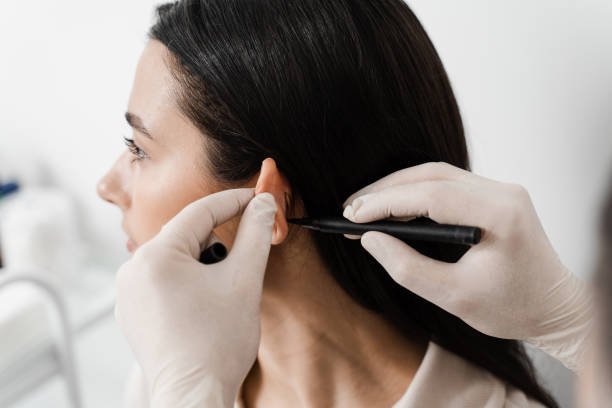
The shape, size, and positioning of the ears play an important role in maintaining balanced facial proportions. Before recommending any cosmetic procedure, surgeons carefully examine the ear structure to understand its natural anatomy and identify specific aesthetic concerns. Differences in cartilage formation, prominent positioning, uneven contours, or enlarged earlobes may require different corrective approaches. Ear cosmetic surgery in Riyadh (جراحة تجميل الأذن في الرياض) offers individuals the opportunity to explore personalised surgical solutions based on professional assessments and individual aesthetic goals. A detailed evaluation helps establish an appropriate treatment plan while preserving the natural appearance of the ears.
Every person's ears have unique structural characteristics, which means the same surgical technique may not be suitable for everyone. Surgeons consider factors such as cartilage flexibility, ear projection, symmetry, skin condition, and facial proportions before selecting a procedure. Ear cosmetic surgery in Riyadh focuses on understanding these individual differences to determine suitable correction techniques. Knowing how surgeons evaluate ear anatomy can help patients understand the importance of consultation, surgical planning, and realistic treatment expectations.
Why Is Ear Structure Evaluation Important?
A detailed ear assessment helps surgeons identify the underlying reasons behind visible aesthetic concerns. For example, prominent ears may result from an underdeveloped cartilage fold or a deeper conchal structure. Similarly, uneven ear positioning may involve differences in cartilage shape or natural development. Understanding these characteristics allows the surgeon to recommend an appropriate technique rather than applying a generalised approach. Proper evaluation also helps identify potential limitations and discuss possible surgical risks.
Key Factors Surgeons Examine Before Ear Correction
Ear Shape and Cartilage Structure
Surgeons examine the natural contours of the ears, including the helix, antihelix, and concha. These structures influence ear definition, projection, and overall appearance. Understanding cartilage development helps determine whether reshaping or repositioning may be appropriate.
Ear Position and Projection
The distance between the ears and the head is evaluated to identify excessive projection. Surgeons also assess the angle and position of both ears to understand how they relate to the surrounding facial features.
Ear Symmetry
Both ears are compared to identify differences in height, size, shape, and positioning. This assessment helps establish realistic correction goals while recognising that perfect symmetry is not always achievable.
Earlobe Size and Condition
The size, thickness, and shape of the earlobes are examined. Stretched, torn, or elongated earlobes may require separate corrective procedures.
How Surgeons Assess Facial Proportions
Ear evaluation involves more than examining the ears individually. Surgeons also consider how their position and shape complement the forehead, cheeks, nose, and jawline. The side profile and overall facial proportions are reviewed to understand which adjustments may create a balanced appearance. Photographs and physical measurements may be used during treatment planning. Ear cosmetic surgery in Riyadh allows patients to explore procedures designed around their individual anatomy rather than relying on standardised cosmetic changes.
Medical History and Patient Suitability
Before recommending surgery, the surgeon reviews the patient's medical history and general health. Previous ear injuries, surgical procedures, allergies, current medications, and healing-related concerns may influence treatment decisions. Adults and children with sufficiently developed ears may be considered for certain procedures, depending on their circumstances. Good general health and realistic expectations are important factors when assessing suitability.
Different Correction Options Based on Ear Evaluation
Otoplasty for Prominent Ears
Otoplasty may be recommended when the ears extend noticeably away from the head. The procedure reshapes or repositions cartilage to improve ear projection.
Cartilage Reshaping
When irregular cartilage folds or contours affect the ear shape, selected reshaping techniques may help create more defined natural contours.
Earlobe Reduction
For individuals with oversized or elongated earlobes, removing selected tissue may help create more proportionate dimensions.
Earlobe Repair
Torn or stretched earlobes may require surgical repair to restore the natural outline and improve tissue appearance.
What Happens During the Pre-Surgical Consultation?
Discussing Aesthetic Concerns
The consultation begins with a discussion about the patient's concerns, desired appearance, and expectations from surgery.
Physical Examination
The surgeon examines both ears, evaluates cartilage structure, checks symmetry, and assesses the surrounding facial proportions.
Personalised Treatment Planning
After reviewing the findings, the surgeon explains suitable procedures, expected outcomes, recovery requirements, and potential complications. Patients can also ask questions about the surgical process and aftercare.
Preparing for Ear Cosmetic Surgery
Preparation begins with following the surgeon's instructions and providing accurate medical information. Patients should discuss their medications, allergies, previous procedures, and any existing health concerns. Understanding the recommended technique, anaesthesia plan, recovery period, and possible risks is also important. Arranging support after surgery and following preoperative guidance can help make the experience more organised.
Recovery and Post-Surgical Evaluation
After surgery, follow-up appointments help the surgeon monitor healing and assess the treated ear structure. Temporary swelling, bruising, and tenderness may occur during recovery. Patients should protect their ears from pressure, follow wound-care instructions, and wear protective dressings or headbands if recommended. Potential complications include infection, bleeding, scarring, changes in sensation, and residual asymmetry. Recovery and final results vary between individuals.
Book Your Consultation at Royal Clinic Saudi
If you are considering improving your ear shape or correcting structural irregularities, Royal Clinic Saudi (عيادات رويال كلينك) can help you explore suitable cosmetic treatment options. Book an appointment to discuss your concerns, receive a professional ear assessment, and understand the available surgical approaches. A personalised consultation can help you make an informed decision based on your anatomy and aesthetic expectations.
FAQs:
1. Why do surgeons examine ear structure before cosmetic surgery?
To identify structural concerns and select an appropriate surgical technique.
2. What do surgeons check during an ear evaluation?
They examine cartilage, ear positioning, symmetry, projection, and earlobe structure.
3. Can surgeons correct differences between both ears?
Yes, selected procedures can improve ear asymmetry and positioning.
4. Is a consultation necessary before ear cosmetic surgery?
Yes, a professional assessment helps determine suitability and appropriate treatment options.

 English
 French
 Spanish
 Portuguese
 Deutsch
 Turkish
 Dutch
 Italiano
 Russian
 Romaian
 Portuguese (Brazil)
 Greek