
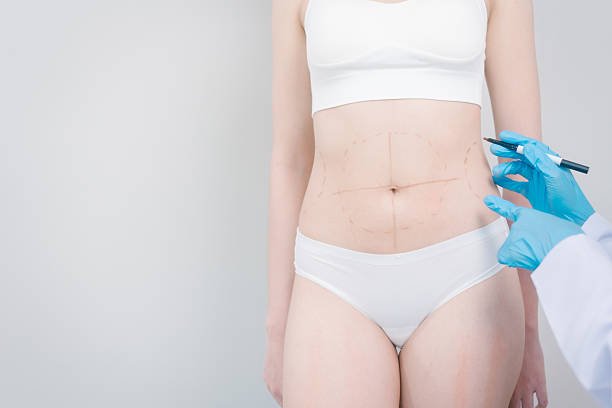
Recovery is an important part of the body-contouring journey because the body needs time to heal after fat removal. Liposuction involves removing localized fat deposits through small incisions, and the healing process varies depending on the treatment area, surgical technique, amount of fat removed, and individual health. Patients considering a Liposuction procedure in Riyadh (عملية شفط الدهون في الرياض) should understand that initial recovery may take a few weeks, while swelling and final contour changes can continue improving over several months. Following medical instructions can help support a smoother recovery.
What Is the Typical Liposuction Recovery Timeline?
There is no single recovery timeline that applies to everyone. Some patients return to light daily activities within a few days, while others need additional time depending on the extent of surgery.
First 24 to 48 Hours After Surgery
During the first couple of days, patients may experience swelling, bruising, tenderness, and fluid drainage from the incision sites. These effects are generally expected after surgery and gradually improve during healing.
The medical team may recommend:
-
Resting while allowing gentle movement when appropriate.
-
Wearing compression garments as instructed.
-
Taking prescribed or recommended medication.
-
Keeping incision areas clean according to wound-care guidance.
-
Avoiding strenuous activity and heavy lifting.
Patients should arrange assistance with transportation and everyday tasks during the initial recovery period, particularly if general anesthesia was used.
First Week After Liposuction
During the first week, bruising and discomfort may remain noticeable, although some symptoms begin to improve. Swelling is often still present, so the treated areas may not reflect the final body contours.
Depending on the extent of treatment and recovery progress, some patients can resume light daily activities. However, returning to work depends on the physical demands of the job and the surgeon's recommendations.
Two to Three Weeks After Surgery
Many patients experience gradual improvement in mobility and comfort during this stage. Bruising may become less noticeable, and swelling may begin to decrease more clearly.
Patients may be able to increase their daily activities gradually, but strenuous exercise and heavy lifting should remain restricted until the surgeon provides clearance.
Four to Six Weeks After Surgery
By this stage, many patients have recovered enough to resume more normal routines, depending on the procedure and individual healing. Some swelling may still remain, particularly in larger treatment areas.
The surgeon may assess the healing progress and provide guidance about returning to exercise, wearing compression garments, and other activities.
Several Months After Surgery
The body continues adjusting as swelling decreases and the treated tissues heal. More defined contours may become visible over time, although complete recovery and final results can take several months.
During Liposuction procedure in Riyadh recovery planning, patients should understand that visible improvement and complete tissue healing do not necessarily happen at the same time.
What Factors Affect Liposuction Recovery Time?
Recovery varies because each patient has different surgical and health-related circumstances. Several factors can influence how quickly the body heals.
Number of Areas Treated
Patients who undergo liposuction in one small area may have a different recovery experience from those who have multiple areas treated. More extensive procedures can involve greater swelling and a longer healing period.
Amount of Fat Removed
The amount of fat removed can influence post-operative swelling, bruising, and tissue recovery. Surgeons determine an appropriate amount based on safety and the patient's body structure rather than aiming for maximum fat removal.
Surgical Technique
Different liposuction techniques involve different methods of loosening and removing fat. Traditional, tumescent, ultrasound-assisted, and laser-assisted approaches may have different recovery considerations.
The surgeon explains what to expect based on the technique selected for the individual patient.
Overall Health and Lifestyle
General health, circulation, smoking, nutrition, and existing medical conditions can influence healing. Patients should discuss their health history and lifestyle habits during the consultation.
Individual Healing Response
Some people naturally experience more swelling or bruising than others. Age, skin characteristics, and the body's response to surgery may also affect the recovery timeline.
What Symptoms Are Normal During Recovery?
Certain temporary symptoms are common after liposuction. These may include:
-
Swelling: Fluid accumulation around treated areas during healing.
-
Bruising: Temporary skin discoloration near the treatment sites.
-
Tenderness: Sensitivity or discomfort when moving or touching the treated areas.
-
Fluid drainage: Some drainage from small incisions, depending on the surgical approach.
-
Temporary numbness: Changes in sensation that may improve as tissues heal.
-
Mild firmness: Treated areas may feel firm or uneven temporarily as swelling settles.
Although these symptoms can be part of normal healing, patients should contact their medical team if symptoms become severe or worsen unexpectedly. Fever, increasing redness, unusual drainage, severe pain, chest pain, or breathing difficulties require prompt medical attention.
How Can You Support a Smooth Liposuction Recovery?
Following post-operative instructions is essential for supporting healing and reducing avoidable complications.
Wear Compression Garments
Surgeons commonly recommend compression garments to help manage swelling and support the treated tissues. Patients should follow instructions about the correct fit and duration of use.
Stay Gently Active
Gentle walking may be encouraged soon after surgery when medically appropriate. Movement can support circulation, while prolonged inactivity may increase the risk of blood clots.
However, intense workouts and strenuous activities should be avoided until medical clearance is provided.
Maintain Proper Nutrition and Hydration
Eating balanced meals and drinking sufficient fluids can support the body's recovery needs. Patients should follow any specific dietary recommendations provided by their medical team.
Follow Wound-Care Instructions
Keeping incision sites clean and following dressing instructions can help reduce the risk of infection. Patients should avoid applying unapproved products to healing areas.
Attend Follow-Up Appointments
Regular check-ups allow the surgeon to evaluate swelling, incision healing, and overall progress. These appointments also provide an opportunity to discuss concerns and adjust recovery recommendations when necessary.
When Can You See the Final Liposuction Results?
Some changes may become noticeable during the first few weeks, but swelling can temporarily hide the improvement. As the tissues heal, the treated areas gradually become more defined.
Final contours often take several months to develop. The exact timeline depends on the treatment area, amount of fat removed, skin elasticity, and individual healing response.
Maintaining a stable weight after recovery can help preserve the results because remaining fat cells can still enlarge with weight gain.
Prepare for Your Recovery With Royal Clinic Saudia
Liposuction recovery typically progresses over several weeks, but swelling and tissue changes may continue for several months before final contours become clear. The timeline depends on the surgical technique, treatment areas, overall health, and individual healing response. Following compression, activity, wound-care, and follow-up instructions can support a safer recovery. Patients considering treatment can consult Royal Clinic Saudia (عيادات رويال كلينك) for personalized guidance and learn what to expect after a Liposuction procedure in Riyadh.

 English
 French
 Spanish
 Portuguese
 Deutsch
 Turkish
 Dutch
 Italiano
 Russian
 Romaian
 Portuguese (Brazil)
 Greek