
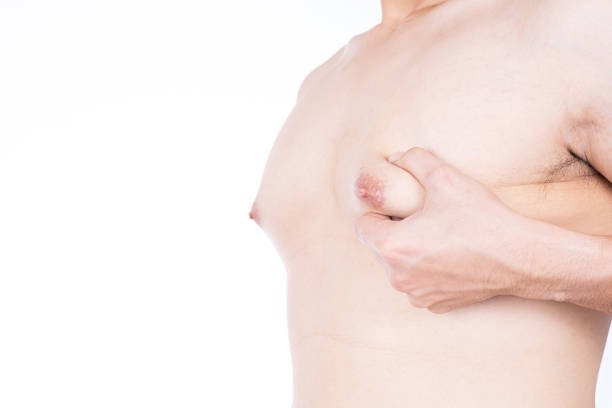
Enlarged breasts in men are a common concern that can affect chest appearance, clothing choices, and personal confidence. This condition, known as gynecomastia, may develop because of hormonal changes, certain medications, weight fluctuations, or underlying health factors. Men exploring treatment often want to understand the cause before considering corrective options. The Cost of gynecomastia surgery for men in Saudi Arabia (كم تكلفة عملية ازالة التثدي عند الرجال في السعودية) may also be a consideration when comparing available treatments, but the appropriate approach should first be based on an accurate medical assessment.
Not every case of male breast enlargement has the same cause. Some men develop excess glandular tissue, while others experience fat accumulation around the chest. In certain cases, both may contribute to a fuller appearance. Understanding these differences helps explain why the Cost of gynecomastia surgery for men in Saudi Arabia and the recommended treatment plan can vary according to individual needs. A professional evaluation can help identify the underlying concern and determine whether medical management or surgery may be appropriate.
What Causes Enlarged Breasts in Men?
Male breast enlargement can occur at different stages of life. It may be temporary or persistent, depending on the underlying cause and individual circumstances.
1. Hormonal Imbalance
Gynecomastia can develop when the balance between estrogen and testosterone changes. Although estrogen is commonly associated with female development, men also naturally produce it. An increase in estrogen activity or a decrease in testosterone may contribute to glandular breast tissue growth.
Hormonal changes can occur during puberty, aging, or alongside certain medical conditions. A healthcare professional may recommend testing when the cause is unclear or symptoms require further investigation.
2. Weight Gain and Fat Accumulation
Excess body fat can collect around the chest and create a fuller appearance. This condition is sometimes called pseudogynecomastia because the enlargement is primarily related to fat rather than glandular tissue.
Weight management may improve chest fullness when fat accumulation is the main concern. However, exercise and dietary changes may not remove developed glandular tissue.
3. Medications and Certain Substances
Some prescription medications and substances may contribute to breast tissue enlargement by affecting hormone levels or activity. These can include certain treatments for prostate conditions, some cardiovascular medications, anabolic steroids, and other substances.
Men should discuss possible medication-related changes with their healthcare provider rather than stopping prescribed treatment independently.
4. Underlying Health Conditions
Certain medical conditions involving the liver, kidneys, thyroid, or hormone-producing organs may influence hormone balance and contribute to gynecomastia. If breast enlargement develops suddenly, is painful, or occurs alongside other unexplained symptoms, medical assessment is important.
How Can Men Identify the Type of Breast Enlargement?
Understanding whether enlargement involves glandular tissue, excess fat, or both helps guide treatment decisions.
Common features may include:
-
Glandular enlargement: A firm or rubbery area of tissue may be noticeable beneath the nipple.
-
Fat-related fullness: The chest may appear softer and more evenly enlarged.
-
Combined enlargement: Both glandular tissue and fat may contribute to the overall chest shape.
-
Skin changes: Significant enlargement may sometimes involve loose skin or changes in chest contour.
These features are not enough to confirm a diagnosis. A clinical examination and, when appropriate, additional investigations can help establish the cause.
What Can Be Done About Enlarged Male Breasts?
Treatment depends on the reason for enlargement, its duration, and the patient's overall health. Not every man needs surgery, and addressing an underlying cause may be the first step.
1. Lifestyle and Weight Management
When excess fat contributes to chest fullness, gradual weight management through balanced nutrition and regular physical activity may help improve the appearance. However, lifestyle changes cannot reliably eliminate established glandular tissue.
2. Medical Evaluation and Management
If gynecomastia is linked to a medication, hormonal imbalance, or another health condition, a doctor may recommend investigating and managing that cause. Treatment should be based on medical findings rather than self-prescribed medication.
3. Male Breast Reduction Surgery
For persistent gynecomastia, surgery may be considered when excess glandular tissue or fat does not improve with appropriate non-surgical measures. The procedure may involve glandular tissue removal, liposuction, or a combination of techniques.
The surgical plan depends on the amount and type of tissue, skin elasticity, and desired chest contour. Patients should discuss potential risks, including bleeding, infection, scarring, changes in nipple sensation, asymmetry, and the possibility of further treatment.
What to Expect During the Treatment Journey
A structured treatment journey begins with consultation and continues through recovery.
-
Initial assessment: The surgeon reviews symptoms, medical history, chest structure, and possible causes.
-
Treatment planning: Suitable options are discussed according to the patient's condition.
-
Procedure: If surgery is recommended, the selected technique is performed according to the treatment plan.
-
Recovery: Patients receive instructions about compression garments, wound care, physical activity, and follow-up appointments.
-
Result assessment: Healing and chest contours are reviewed over time as swelling gradually settles.
Recovery varies between individuals, so patients should follow their surgeon's recommendations.
Book a Consultation at Royal Clinic Saudi
Men experiencing persistent breast enlargement can benefit from understanding its cause and available treatment options. Royal Clinic Saudi (عيادات رويال كلينك) offers consultations to discuss individual chest concerns, possible treatment approaches, expected outcomes, and surgical considerations. Schedule an appointment to receive a personalized assessment and explore whether male breast reduction is suitable for your needs.
FAQs:
1. What is the most common reason men develop enlarged breasts?
Hormonal changes are a common cause of gynecomastia, although medications, health conditions, and fat accumulation may also contribute.
2. Can exercise completely remove enlarged male breast tissue?
Exercise may reduce chest fat, but it generally cannot eliminate established glandular breast tissue.
3. Is male breast enlargement always a medical concern?
Not always, but sudden, painful, one-sided, or otherwise unusual changes should be assessed by a healthcare professional.
4. Can surgery treat both chest fat and glandular tissue?
Yes. Depending on the patient's condition, surgery may combine liposuction with glandular tissue removal.

 English
 Arabic
 French
 Spanish
 Portuguese
 Deutsch
 Turkish
 Dutch
 Russian
 Romaian
 Portuguese (Brazil)
 Greek